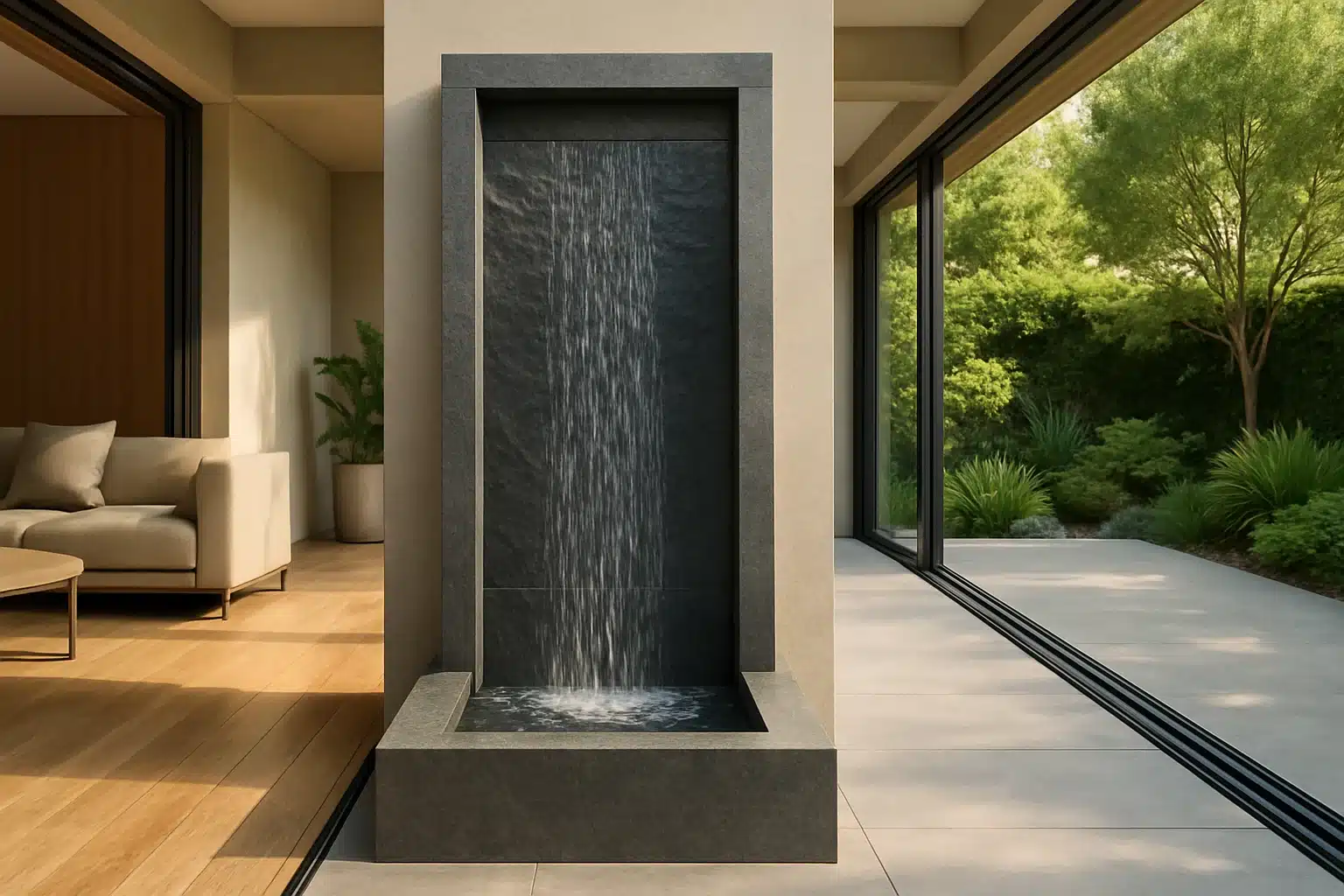
397.1.Indoor-outdoor-fountain

Blending Boundaries: How Indoor–Outdoor Fountains Create Seamless Living

Modern living is shifting toward designs that blur the line between interior comfort and outdoor freedom. As homeowners crave tranquility, biophilic design, and harmonious spaces, one trend has risen prominently above the rest: indoor–outdoor fountains. These architectural elements act as sculptural centerpieces, wellness enhancers, and visual bridges between two worlds. They invite nature into the home while giving outdoor areas the sophistication and intimacy of indoor environments.

In this comprehensive guide, we’ll explore how indoor–outdoor fountains create seamless living, why they belong in modern design, and how you can incorporate one into your home, whether you prefer contemporary elegance or rustic serenity.

The Rise of Seamless Living Spaces

Architecture and interior design have evolved dramatically in recent years. More homeowners want environments that feel connected, nurturing, and intentional. The desire for open layouts, natural materials, and fluid transitions between rooms has expanded outward, literally.

Seamless living means eliminating harsh boundaries between indoors and outdoors, allowing light, air, sound, and movement to flow smoothly. Fountains fit naturally into this philosophy. With their calming soundscapes, sculptural presence, and ability to adapt to multiple environments, they offer a distinctive method of merging spaces without structural complications.

Indoor–outdoor fountains serve as:

  • Architectural focal points
  • Natural humidifiers
  • Stress-relieving water features
  • Decorative anchors
  • Unifying sensory elements

The result? Homes that feel more open, connected, and alive.

Why Water Features Matter in Modern Design

Water has long been central to human wellness and culture. Ancient civilizations used fountains for spiritual, decorative, and practical purposes. Today, designers leverage water’s restorative properties to enhance daily living.

Benefits of integrating water features into transitional spaces

1. Sensory Harmony

The sound of gently flowing water is inherently soothing. It masks unwanted noise—like traffic or neighbors, while adding a consistent, calming rhythm to the atmosphere.

2. Visual Continuity

A single fountain that can be experienced from both indoors and outdoors creates a continuous focal point. It visually ties spaces together, making the separation between inside and outside feel intentional and artistic.

3. Biophilic Wellness

Water is a core biophilic element. Its presence:

  • Reduces stress
  • Lowers heart rate
  • Enhances mood
  • Helps regulate indoor humidity

This makes fountains practical as well as decorative.

4. Natural Light Enhancement

The reflection of sunlight or soft interior lighting on water surfaces creates dynamic effects. Such shimmering visuals add depth, movement, and elegance to spaces.

5. Increased Property Value

Homes with unique architectural water features tend to attract more attention and command higher market value. A well-designed indoor–outdoor fountain becomes a highlight in real estate listings and walk-throughs.

How Indoor–Outdoor Fountains Blur the Line Between Spaces

The magic of indoor–outdoor fountains lies not just in their beauty but in how they function as transitional tools.

Here’s how they make both environments feel intertwined.

1. They Anchor the Home’s Heart

Placing a fountain near a large window, sliding door, or courtyard creates a central point visible from multiple angles. This establishes a natural flow that draws the eye, and the energy, toward the transition zone.

2. They Create a Consistent Soundscape

Even when you’re inside with the doors closed, the fountain continues to provide an ambient sound. This continuity reinforces the feeling of a unified space.

3. They Extend Interior Design Themes Outdoors

Materials like stone, copper, glass, and steel can be repeated indoors and outdoors through the fountain’s design. This repetition creates a harmonious aesthetic.

For example:

  • A concrete fountain complements minimalist interiors and contemporary patios.
  • A terracotta water feature bridges Mediterranean-style kitchens and sun-drenched courtyards.
  • A sleek stainless steel fountain enhances modern, industrial lofts and rooftop terraces.

4. They Bring Outdoor Elements Inside

Greenery, sunlight, and natural textures often accompany fountain settings. When the fountain straddles both environments, nature’s influence extends deeper into the home.

Imagine a winter day: the garden might be dormant, but the fountain still flows, giving the indoors a sense of life and movement.

5. They Encourage Indoor–Outdoor Living

Homes with fountains that span two environments naturally invite more foot traffic and daily use of outdoor spaces. You’re more likely to enjoy your patio, garden, or balcony when it feels visually and atmospherically connected to your interior.

Popular Styles of Indoor–Outdoor Fountains

Blending Boundaries with Indoor–Outdoor Fountains Seamless Living Design Guide

1. Wall-Mounted Transitional Fountains

These fountains are embedded or attached to walls that face both the interior and exterior. Water may cascade down one or both sides. They work beautifully with:

  • Atriums
  • Sunrooms
  • Indoor courtyards
  • Large patios

2. Pass-Through Glass Fountains

In these designs, a clear glass or acrylic panel spans a wall opening, allowing water to stream over it. On one side, it serves as interior décor; on the other, it creates an elegant outdoor feature.

This style is perfect for modern architecture and luxury homes.

3. Freestanding Indoor–Outdoor Sculptural Fountains

Placed in doorways or in between sliding panels, these fountains create visual drama and natural flow. They are ideal for homes with:

  • Pivoting doors
  • Large window walls
  • Split-level outdoor spaces

4. Pond-to-Interior Stream Features

These multi-level designs bring water from an exterior pond or koi habitat into a small indoor trickle feature. Perfect for Zen gardens or Japanese-inspired layouts.

5. Tiered Traditional Fountains

Even traditional tiered fountains can be adapted for transitional living. A fountain placed in a courtyard that’s directly visible from the living room becomes an indoor feature without physically occupying indoor square footage.

Designing the Perfect Indoor–Outdoor Fountain

1. Location and Visibility

A fountain should sit where both indoor and outdoor occupants can admire it. Ideal locations include:

  • Courtyard centers
  • Atriums
  • Patio-adjacent living rooms
  • Near sliding or folding glass doors
  • Between landscaping features and interior hallways

2. Size and Proportion

Scale matters. Oversized fountains can overwhelm interiors, while too-small ones get lost outdoors. Aim for a balanced presence on both sides.

3. Material Selection

Durability is crucial since the fountain will experience both indoor humidity and outdoor weather changes.

Recommended materials include:

  • Natural stone
  • Stainless steel
  • Treated wood
  • Ceramic
  • Polished concrete

Avoid materials that degrade quickly or require constant resurfacing.

4. Water Circulation and Engineering

A well-designed pump system ensures smooth operation. You’ll need:

  • Proper filtration
  • Splash control
  • Waterproofing
  • Adequate drainage
  • Safe electrical connections

This step is best handled by professionals.

5. Lighting Integration

Proper lighting enhances the fountain’s nighttime beauty.

Consider:

  • Underwater LED lights
  • Architectural spotlights
  • Warm-toned pathway illumination
  • Smart lighting that syncs indoors and outdoors

6. Landscape and Interior Styling

Plants, rocks, seating, and architectural lines should work together to frame the fountain. Repeating elements (like the same wood tone indoors and outdoors) strengthens the seamless transition.

Incorporating Feng Shui and Wellness Principles

Water features hold profound symbolic meaning, especially in Feng Shui. They represent abundance, clarity, and positive energy flow.

Feng Shui Tips for Indoor–Outdoor Fountains

  • Place your fountain near your home entrance to invite prosperity.
  • Ensure the water flows toward the home, symbolizing incoming abundance.
  • Keep the fountain clean and well-maintained—stagnant water equals stagnant energy.
  • Combine with natural elements like plants and stone for harmony.

From a wellness perspective, flowing water contributes to mental calmness, physical relaxation, and emotional balance. Homes with water features often feel more serene, grounded, and inviting.

Maintenance Tips to Keep Your Fountain Flowing Seamlessly

To preserve the beauty and functionality of your indoor–outdoor fountain, regular maintenance is essential.

Maintenance checklist

  • Inspect the pump monthly
  • Clean filters to prevent buildup
  • Check for algae growth, especially outdoors
  • Maintain water levels to protect pumps
  • Seal the basin or reservoir annually
  • Use eco-friendly cleaning solutions
  • Winterize if necessary depending on climate

A well-maintained fountain can last decades and remain a centerpiece of your transitional design.

Inspiration: Creative Ways to Use Indoor–Outdoor Fountains

1. A Fountain as a Living Room Window Feature

Imagine a waterfall cascading down a textured stone wall directly outside your living room window. The water becomes part of your indoor scenery whether the window is open or closed.

2. Sliding Door Fountain Entrance

A fountain placed in the middle of a wide-span sliding glass wall becomes a dramatic focal point leading to your backyard.

3. Glass Waterfall Divider

Use a pass-through waterfall wall as an art piece that separates indoor dining from an outdoor kitchen.

4. Zen Garden Continuation

A koi pond outside transitions into a delicate stream inside your meditation room—perfect for mindfulness spaces.

5. Patio Courtyard Living Room Flow

A tiered fountain in a courtyard framed by floor-to-ceiling windows becomes the visual center of both the outdoor oasis and the interior seating area.

Conclusion: Creating a Home That Breathes with Nature

Indoor–outdoor fountains are more than design trends they are architectural experiences. They transform how you feel, how you live, and how your home interacts with nature. By bridging the indoors with the outdoors, they create living environments that inspire peace, connection, and beauty.

Whether you are building a new home or refreshing an existing space, choosing an indoor–outdoor fountain is a timeless investment in serenity and style. You’re not just adding décor, you’re crafting an atmosphere.

FAQs:

Not necessarily. With proper pump systems, filtration, and regular cleaning, they’re manageable. Most require monthly light maintenance and annual sealing.
Absolutely. Wall-mounted and compact designs work well in smaller spaces and can make them feel larger by visually connecting interiors with outdoor areas.
Durable materials like natural stone, stainless steel, ceramic, and concrete are ideal because they withstand varying temperatures and moisture levels.