


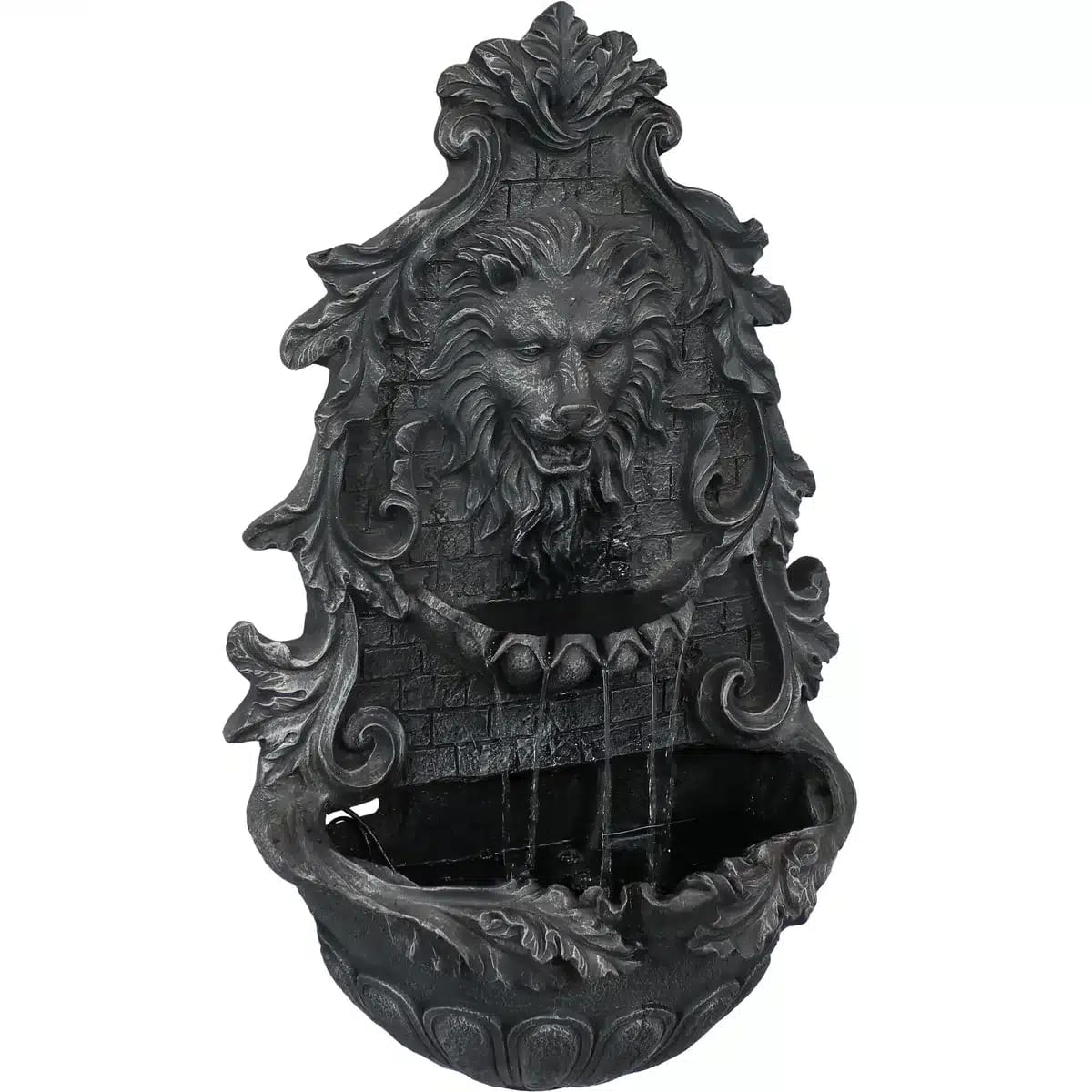
Art Fountains for the Home: Commission a Piece or Buy Ready-Made?
Choosing between a unique, custom-built art fountain and a curated ready-made piece involves balancing your specific vision with immediate availability. This guide covers how to navigate the process for both options.
Commissioning Custom Fountains versus Ready-Made Options
Art fountains are defined by their intent: they're created to be sculptural, visual statements where the movement of water is balanced by the artistic form of the basin or sculpture. When you select a ready-made fountain, you get the benefit of established engineering, predictable performance, and immediate availability. These pieces are ideal when you want to establish a mood in your landscape or foyer without the extended planning phase. On the other hand, custom commissions are meant for projects where the space demands a specific footprint, height, or material finish that isn't found in a catalog. If you're incorporating a company logo, replicating a design from a sketch, or working with a custom architectural feature, we can tailor the size and build to your requirements.
- Ready-Made: Offers immediate gratification, known price ranges, and established maintenance profiles.
- Custom Commission: Provides full control over dimensions, materials, and thematic elements, tailored exactly to your site.
- Design Flexibility: Standard pieces are static in size; custom units are built to your specific width, height, and depth needs.
- Wait Times: Ready-made items ship according to product page timelines; custom pieces require a 6–8 week window for our artists to create.
Our goal with any custom project is to translate your ideas into a functioning water feature. You aren't just buying a fountain; you're commissioning an art fountain that will occupy a permanent space in your environment, so taking the time to confirm the material and dimensions during the planning stage is a vital part of the process.
What You Need for a Custom Quote
To request an accurate quote for a custom fountain, the more detail you provide, the better. We need the dimensions for your space, including the maximum height, width, and depth constraints. If you have a sketch, photograph, or logo file, please include them so we can assess the structural requirements and the level of hand-carving or fabrication needed. You should also choose your material, such as durable granite, fine-grained marble, or limestone. Each stone has different weight and weathering characteristics, so knowing if the fountain will live indoors or outdoors helps us suggest the best material for your climate.
You can begin this process by using our Fountain Assistant to organize your requirements. When you reach out, have the following details ready to help us prepare your quote:
- Placement: Indoor or outdoor, and whether the fountain is free-standing or wall-mounted.
- Dimensions: Your maximum allowable height, width, and depth in inches.
- Visuals: Photos of the space or sketches of the desired shape.
- Logos or Text: Any specific branding or inscriptions to be added.
- Material Preferences: Your choice of stone or metal types.
Once you provide these details, we evaluate the complexity and reach out with a formal quote. Because every piece is unique, these quotes cover the artisan time and material costs, ensuring the final result meets the standards of our Family Custom Fountains. You'll need to find a local installer to handle the site preparation and final placement of your custom fountain once it arrives.
How Materials React to Time and Climate
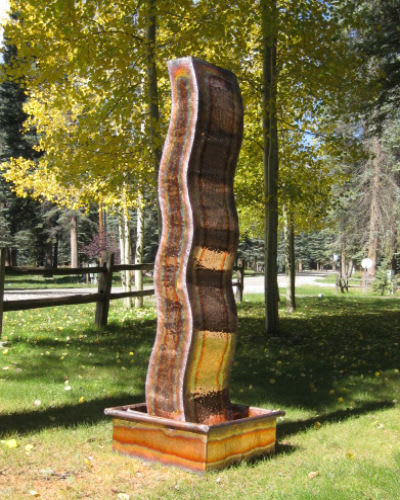
Outdoor art fountains face a constant cycle of exposure. Bronze, for instance, develops a patina over time—a thin, protective layer that often shifts from a bright metal tone to a rich, earthy brown or even a soft green. This natural oxidation is generally considered a hallmark of quality bronze work. If you prefer the original bright look, you'd need to periodically clear-coat the surface. Stainless steel maintains a cleaner, more contemporary appearance, though it requires occasional rinsing to prevent mineral deposits from setting into the grain, particularly in areas with hard water.
Natural stone is durable, but freeze-thaw cycles are your biggest concern. Water expands when it turns to ice, which can cause micro-cracks in porous materials like certain marbles or sandstones to widen over several seasons. If you live in a region that sees hard frosts, the following guidance applies to your material choices:
- Marble and Sandstone: These are beautiful but porous. In freezing climates, we recommend draining the fountain and covering it completely, or moving smaller pieces to a garage or shed for the winter.
- Cast Stone: Often reinforced, this handles cold better than raw marble, but it should still be emptied to prevent water from expanding inside the basin or pump housing.
- Copper: Extremely resilient. It doesn't crack during freezes, though you still need to ensure the pump housing remains clear of standing water that could freeze and potentially damage the internal mechanism.
For any natural stone, keeping the surface free of organic debris like fallen leaves is essential, as these can trap moisture against the stone and encourage unwanted discoloration. A simple, regular wipe-down with a soft cloth and fresh water is usually all it takes to keep the piece looking its best for decades.
Technical Mechanics of Unique Water Features
Many people ask how a heavy stone or acrylic sphere can float and rotate on a thin film of water. These rolling sphere fountains work through precise hydraulic engineering. A perfectly balanced sphere sits in a fitted socket, and a powerful pump forces water through the center. Because the surface area is so tightly matched, the water creates a pressurized layer—a film only a few thousandths of an inch thick—that lifts the sphere. This allows even a multi-ton stone ball to spin effortlessly with the touch of a hand.
Acrylic bubble panels offer a different visual but have specific maintenance requirements. Because they use a sealed or semi-sealed system to keep the water clear, you must use distilled or deionized water to prevent algae growth and mineral buildup on the interior acrylic walls. If the clarity begins to fade, you simply drain and refill with fresh, treated water.
For the electrical side, every fountain with a pump needs a reliable power source. We recommend that you plug the unit into a grounded, outdoor-rated outlet. A GFCI-protected outlet is necessary for safety, as it detects ground faults and shuts off power instantly if moisture interferes with the connection. If you don't have one nearby, you should speak with a licensed electrician to install the appropriate hardware.
Regarding the logistics of getting a large art piece into your yard or home, the weight is a primary factor. You'll need to account for foundation strength and access for heavy-lifting equipment. Because we don't provide labor for moving or mounting, you'll need to find a local installer who has experience with water features. They can prepare your site and manage the structural needs of the base.
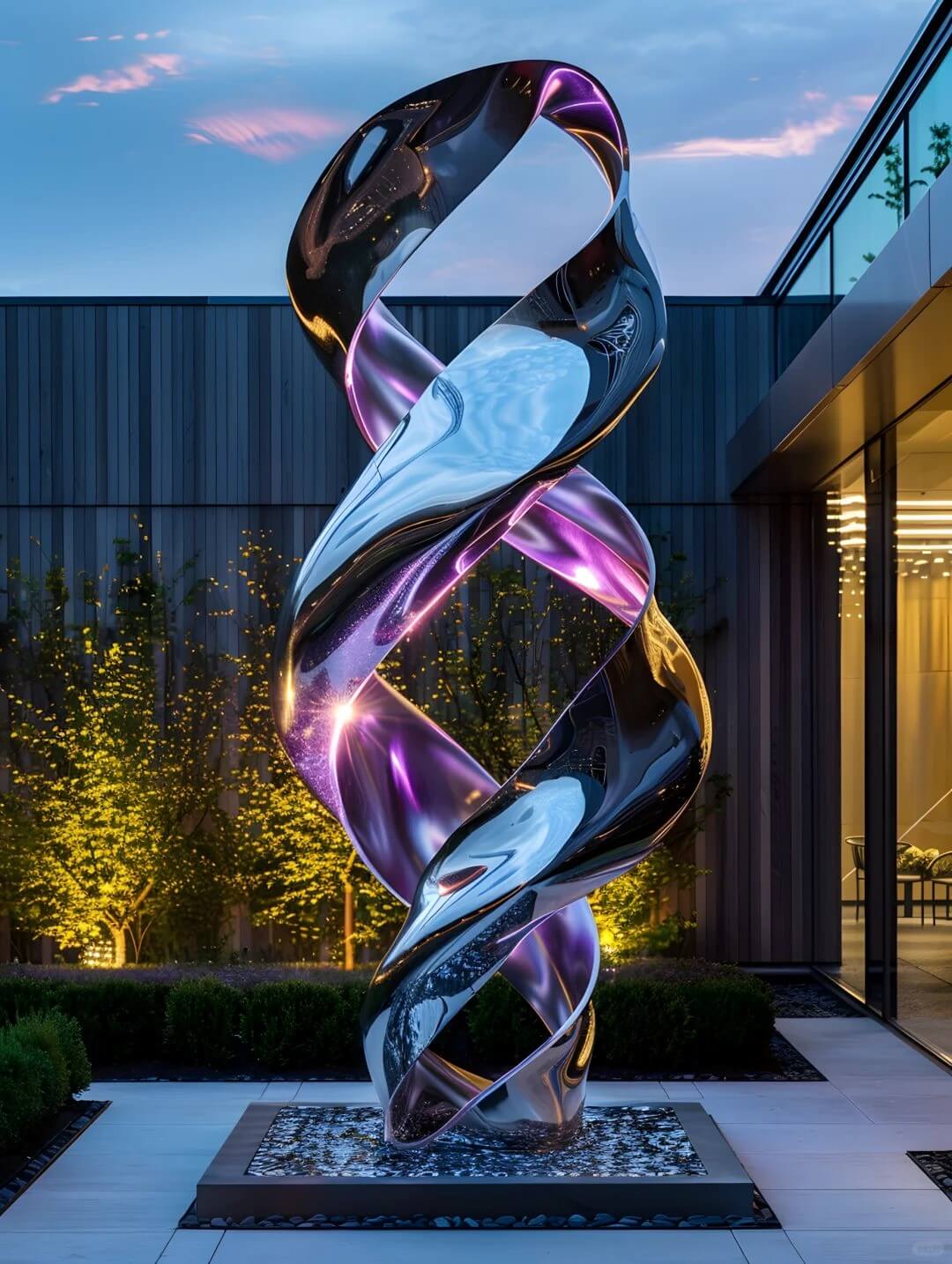 Spiegel Sliver Violet Edelstahl Sculpture
Ready to Start Your Project?
If you have a clear vision of what you want, or even if you're just starting to gather ideas, we're here to help. You can view our current collection of Art Fountains to see if a ready-made piece captures the spirit of what you're looking for. These represent some of our most popular designs and allow you to see the craftsmanship and scale we offer.
If your project requires specific dimensions, a unique material, or a design based on your own concept, a custom piece is the path forward. We build unique water features tailored to your specific site and aesthetic goals. For any questions regarding your own design, please reach out via our custom design inquiry page. Keep in mind that for items bearing the Fountains.com name, we handcraft these pieces to order, which typically involves a 6–8 week lead time from the point of final design approval. We look forward to helping you realize your project.
Frequently Asked Questions
How long does a custom fountain take to make and deliver?
For Fountains.com-brand items that are made to order, you should generally expect a lead time of 6–8 weeks. Custom fountains are different, as they're built from the ground up according to your specific requirements. Because these projects vary in complexity, design, and material sourcing, we provide a project-specific timeline during the quoting phase. Once we confirm your order, we will keep you updated on the production progress of your unique piece.
How much does a custom fountain cost?
There's no standard price for a custom water feature because every build is individual. The final cost depends on the materials chosen, the dimensions of the structure, the complexity of the artistic design, and any specialized features like integrated lighting or custom logos. To get an accurate idea of what your specific project might run, please visit our custom fountains page to start a request, and we will provide a detailed quote for your unique design.
Can a fountain be made from my own sketch, photo or logo?
We frequently work with customers who have a clear vision or a specific source of inspiration in mind. Whether you have a detailed professional sketch, a reference photo, or a brand logo you wish to feature, our team will review the design to determine the best construction methods and materials to bring it to life. This is one of the most rewarding parts of our work, as it allows us to create truly one-of-a-kind art pieces tailored to your exact preferences.
How big should a sculpture fountain be for the space?
Choosing the right size depends on the scale of your location and the desired impact of the fountain. For an intimate garden nook, a smaller tiered piece or an artistic stone sculpture is usually proportional. A large plaza or expansive driveway requires a substantial feature, such as a large-scale Art Fountains display, to avoid being lost in the space. Measure your intended site carefully. Consider both the footprint of the basin and the height of the water feature to ensure the scale feels natural to the eye.
Who installs a custom fountain?
Fountains.com handles the design and production of your fountain, but we don't provide on-site installation or assembly services. Because our custom pieces are built for your specific site conditions, you'll need to arrange for a contractor or landscaper to handle the physical placement, water hookups, and electrical connections. If you don't have a professional in mind, you can find a local installer to manage the setup and ensure everything is placed and leveled correctly.