


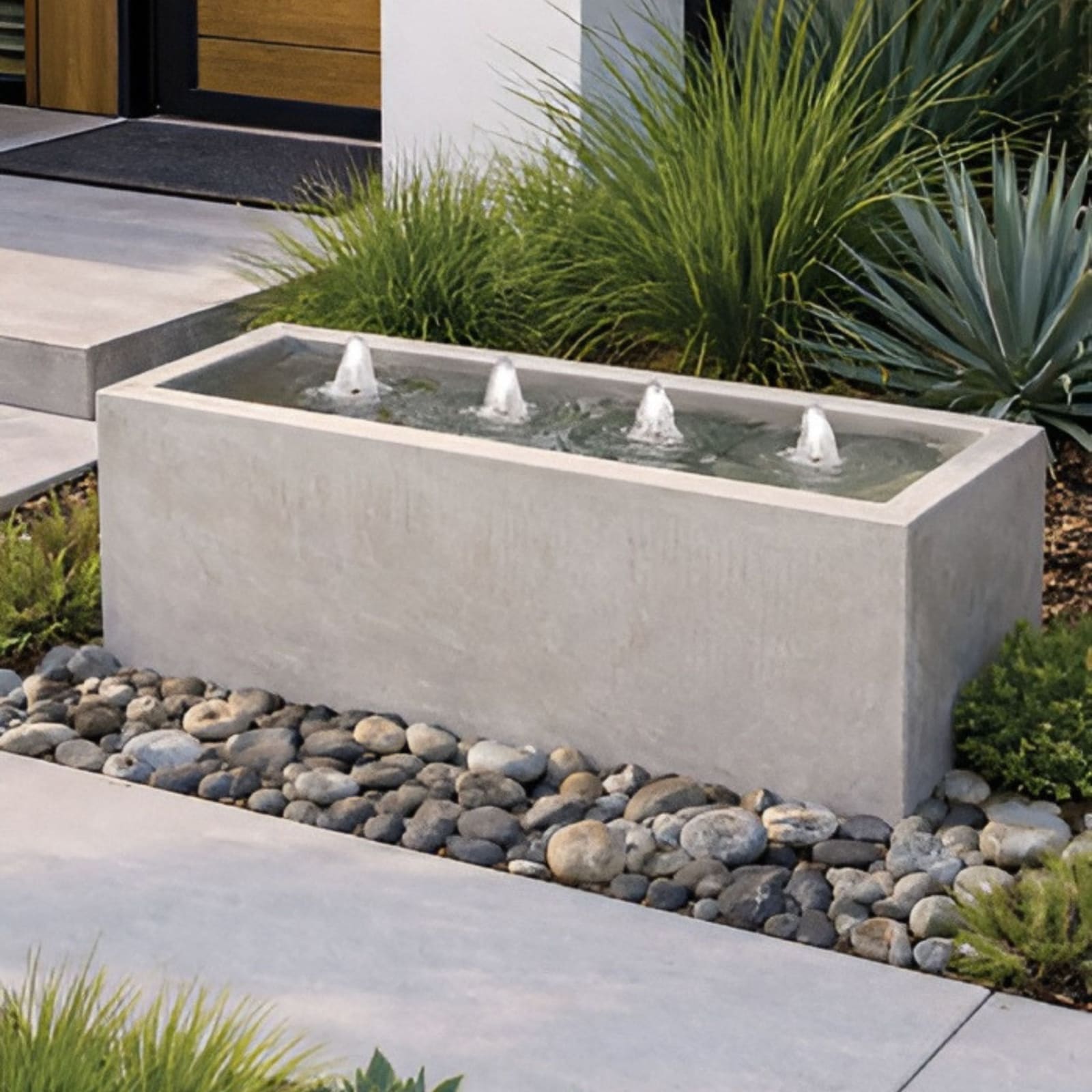
How to Winterize an Outdoor Fountain (and When You Don't Need To)
Winterizing your outdoor fountain is essential for preventing freeze damage in colder climates, but the process depends on your local weather and fountain material. Learn how to safely prepare your water feature for the winter months ahead.
You don't always need to winterize your outdoor fountain, but you must take precautions if you live in an area that experiences hard freezes. Water expands when it turns to ice, and if that pressure is trapped inside your basin or pump housing, it'll eventually cause cracks or structural failure. If your winters stay mild and temperatures rarely drop below freezing, you can often keep your water moving, but you should still check your fountain periodically for debris or ice buildup.
Do all outdoor fountains need to be winterized?
Whether your fountain requires winter protection depends entirely on your local climate and the material of your piece. In regions that see sustained freezing temperatures, a simple light frost is often just the beginning of your concerns. Once the ground freezes, the water trapped inside your basin can turn into a solid block of ice, creating massive expansion pressure that will easily split stone, resin, or ceramic structures.
You should assess your local weather patterns before deciding your strategy. If your region typically experiences night after night of freezing temperatures, you simply can't leave water inside your fountain. Even in milder areas, an unexpected cold snap can catch owners off guard. It’s always safer to drain your system if you're heading into a season where temperatures will reliably dip below thirty-two degrees.
Not every outdoor fountain needs to be moved inside, but they all need to be dry when temperatures plummet. If you have a heavy feature that can't be relocated, you must still ensure that the basin is completely drained and the pump is removed. If you’re unsure how to handle a heavy installation that requires professional placement, you can find a local installer to help with the heavy lifting during your seasonal changes.
How does temperature affect different fountain materials?
Temperature fluctuations affect fountain materials differently based on their density and how much moisture they absorb. Cast stone is particularly sensitive because it's porous; it naturally holds microscopic amounts of water. When those trapped moisture pockets freeze and expand, they can lead to surface spalling or deep structural cracks. Because of this, cast stone units require diligent draining and should ideally be covered or moved to a dry spot for the winter.
Fiber cement and metal options offer different trade-offs when the temperature drops. Fiber cement is generally more resistant to minor freezing, but it isn’t indestructible in extreme, long-term cold. Metals like copper are excellent for year-round durability because they don’t absorb water like porous stone does. While the metal itself is resilient, your pump and plumbing connections remain the vulnerable points regardless of the fountain’s primary material.
- Cast Stone: High risk of cracking due to high moisture absorption; requires total drainage and protection.
- Fiber Cement: Medium risk; more durable than stone but still susceptible to damage if water freezes inside the structure.
- Copper: Low risk; doesn't absorb water and handles temperature changes well, though you should still drain the plumbing to protect the pump.
If you're looking for a new addition to your yard and want to consider low-maintenance materials for your specific region, our custom fountain team can help you select a piece designed to handle your climate's specific demands.
What are the specific steps to drain and store a fountain for winter?
How to properly drain and store your fountain
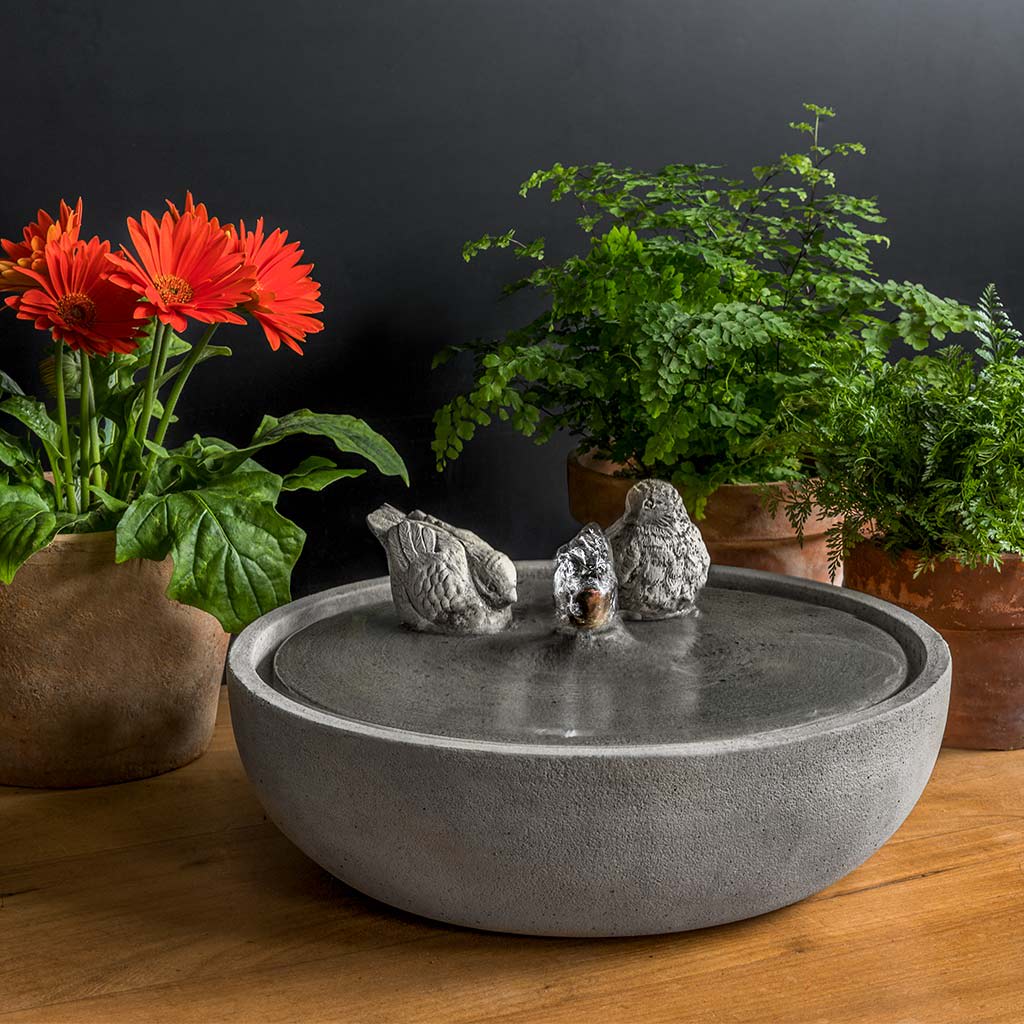
To safely prep your fountain for winter, you must start by completely draining every component. First, unplug the pump and remove it from the water basin. It’s best to store the pump in a bucket of water in a frost-free garage, as this keeps the internal seals from drying out and cracking over the winter months. Use a wet-dry vacuum or a siphon to pull remaining water from the bottom of the basin or from internal tubing. If your basin has a drain plug, remove it and tilt the unit slightly to ensure no water traps in low spots. Once the water is gone, wipe the surfaces clean with a soft cloth to remove debris like leaves or sediment that could harden and stain the finish during the off-season. While managing your outdoor garden pieces, remember that tabletop fountains are significantly easier to move indoors for the season.
After cleaning, move smaller, portable pieces into a shed or a heated garage if you live in an area with deep, sustained freezes. Heavy, permanent features require a different approach. If you have an oversized piece that can't be moved, you’ll need to clean it thoroughly and protect it from moisture. We recommend using a high-quality, breathable fountain cover to prevent snow or ice from collecting inside the bowls, but avoid plastic tarps that trap condensation against the stone. If you struggle with the weight of large components or require assistance with final placement, you can find a local installer to help move or secure your piece.
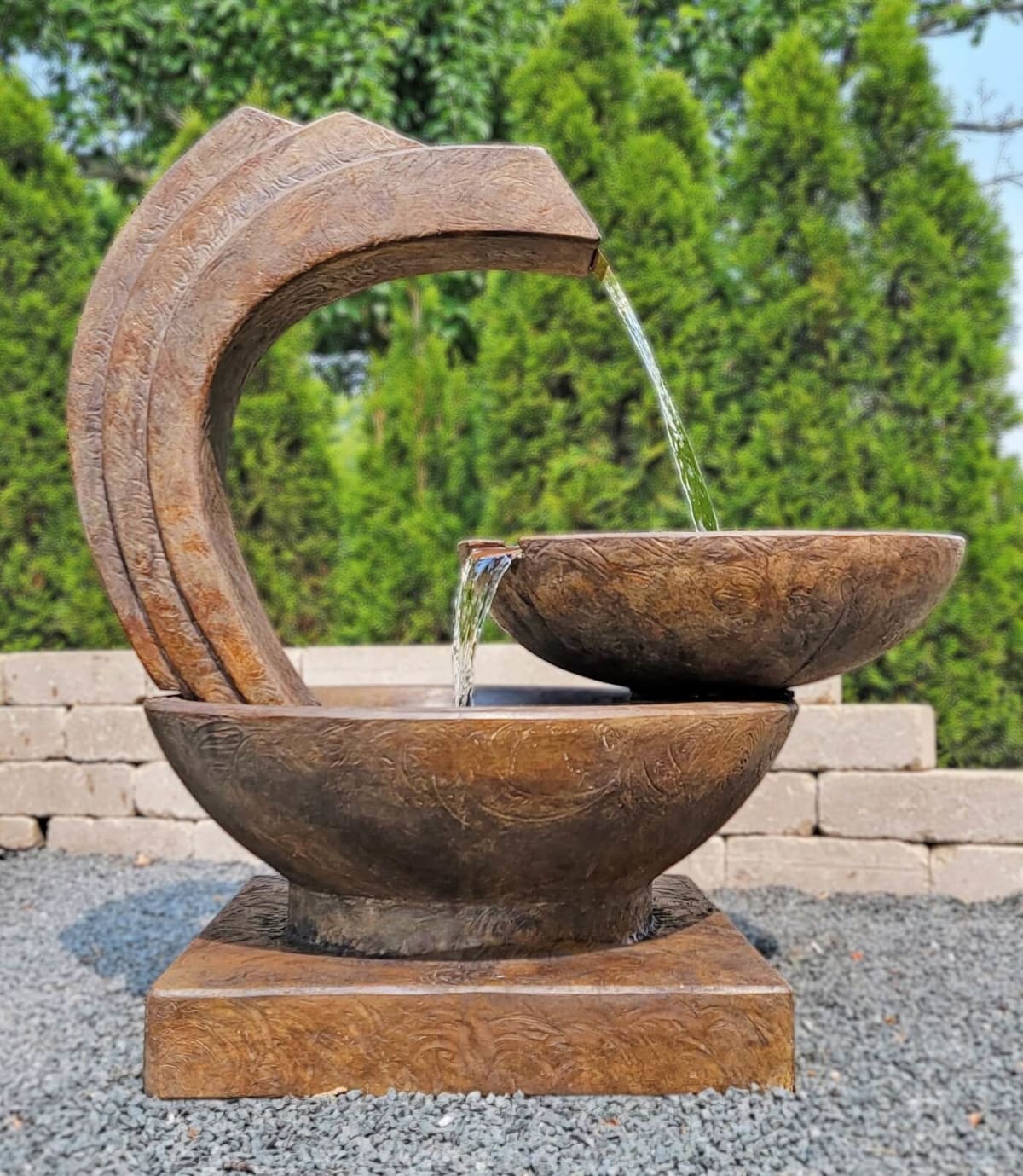
Can a fountain be left running during winter in mild climates?
Running your fountain during winter
You can leave some fountains running in mild climates where temperatures rarely dip below freezing, but you must stay vigilant. If you expect a cold snap, even one that drops to 32 degrees for a few hours, the water volume and movement become critical. A flowing fountain is less likely to freeze than a stagnant one, yet ice can form quickly in the pump intake or along the spillway edges. We recommend checking the water level daily, as evaporation and minor splashing can lower the volume, causing the pump to run dry and burn out.
Safety is the priority when operating outdoor electronics in winter weather. Always ensure your pump is connected to a GFCI-protected outlet; this device detects electrical fluctuations and cuts power if a ground fault occurs, which is common if water contacts the plug due to ice buildup or heavy rain. If you notice ice forming on the basin or the fountain surface, it's time to turn the system off immediately. Keeping a fountain running through a hard freeze can lead to cracked masonry, broken tubing, and a failed pump. For those who enjoy the visual appeal of moving water year-round, exploring our Garden Fountains category can help you identify models that handle regional climate changes better than others.
What components are most at risk of freezing damage?
Components most vulnerable to freezing
The pump is the most expensive and fragile part of your system. Ice expansion exerts immense pressure on the internal housing; if water freezes inside, it'll likely crack the impeller or the pump casing, making the unit useless by spring. Always remove the pump from the fountain if you anticipate freezing temperatures. Tubing and internal seals also act as hidden leak points. If water remains trapped in the flexible plastic tubing, the expansion will cause it to split, creating a major leak that you might not notice until the fountain is back in use. Don't overlook the basin itself; hairline cracks in stone or concrete often start when water left in the bowl freezes, expands, and exerts outward pressure on the structure. For durable choices that handle the elements well, explore the cast stone options from Henri Studio.
Common mistakes often involve haste or misunderstanding how ice functions. A major error is covering a damp fountain tightly with a non-breathable plastic sheet; this traps moisture against the surface, accelerating spalling on stone finishes when temperatures fluctuate. Another frequent mistake is leaving water in the pump housing. Even a tiny amount of moisture inside the pump chamber can freeze and snap the internal shaft. Before winterizing, always disconnect every connection point and ensure the entire plumbing run is clear. If you're looking for guidance on durability for your specific climate, our custom fountains team can discuss material choices that provide the best longevity for your local weather patterns.
Ready to choose your next outdoor fountain?
When you're ready to find a new piece, our Outdoor Fountains category offers a wide selection of designs tailored to various climates. If you have specific regional weather challenges or unique aesthetic requirements, our team can help you design a custom-fountains project. We often see homeowners choose materials based on their local winter severity. Cast stone is a classic choice for many, provided it's drained and covered, while heavier granite or fiber cement often handles freeze-thaw cycles with less worry. Think about where you'll place the piece, as proximity to your home's foundation and the level of sun exposure significantly impact how the material holds up over many years. Whether you want a tiered structure, a wall-mounted piece, or a modern boulder kit, selecting high-quality materials ensures your fountain remains a focal point for seasons to come.
Frequently Asked Questions
Can an outdoor fountain stay out in winter?
Many fountains can stay outside, but you should always drain the water first. If you live in an area with frequent hard freezes, simply leaving a fountain exposed can lead to cracks if ice expands inside the pump or bowl. You'll need to cover the structure with a breathable tarp to prevent snow and ice buildup while allowing moisture to escape.
Which fountain material lasts longest in heat, sun or freezing weather?
Granite and other natural stones are generally the most durable materials for harsh weather, as they're dense and less prone to absorbing water that could expand during a freeze. Fiber cement is another solid option that resists fading in intense sun and maintains structural integrity. Cast stone is popular for its detail but requires more diligent winter preparation in freezing zones.
Who installs a fountain I buy online?
Because we focus entirely on sourcing and supplying high-quality water features, we don't handle physical placement or setup. For heavy garden pieces or wall fountains that require secure mounting, we recommend you find a local installer who understands structural requirements and plumbing basics to get everything positioned correctly.
Does a fountain need an outlet nearby?
Every fountain pump needs a power source, so you'll need a grounded, outdoor-rated electrical outlet within reach of the pump cord. We suggest using a GFCI-protected outlet for safety, especially around water features. If your current layout doesn't have power exactly where you want it, a licensed electrician can add the necessary connections.