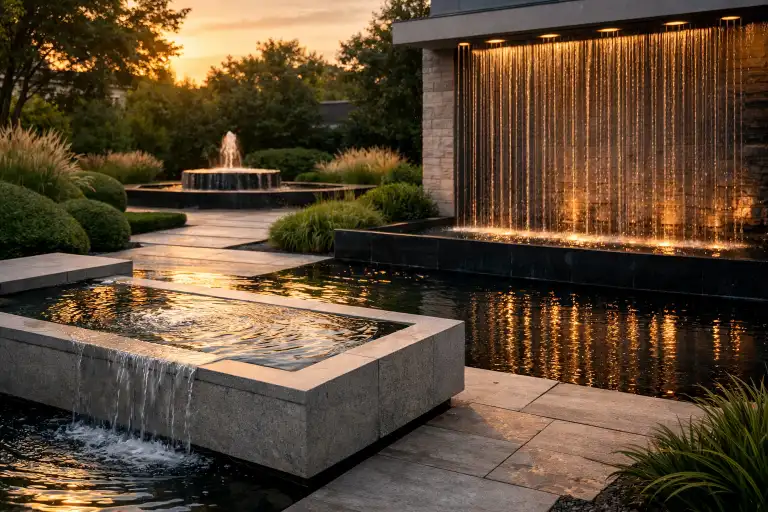
Luxury is often misunderstood, Many assume it requires elaborate carvings, dramatic lighting, oversized sculptures, and complex installations. In reality, true luxury is rooted in restraint. It lives in balance, proportion, texture, and thoughtful simplicity. Nowhere is this more evident than in the world of fountains and water features.
Simple basin designs have become a defining element in modern landscape architecture and interior styling. Whether you are designing outdoor fountains for a grand estate, installing indoor water fountains in a contemporary office, or adding a rain curtain water feature to a hospitality space, the basin is the quiet hero that sets the tone.
In this guide, we will explore how minimal basin designs can elevate garden fountains, wall fountains, floor fountains, tabletop fountains, and more—transforming everyday spaces into refined environments that feel effortlessly luxurious.
Why Simplicity Defines Modern Luxury
Luxury today is about clarity, not clutter. Clean lines, open space, and carefully selected materials create a sense of calm that feels exclusive and intentional.
When it comes to water fountains, overly ornate basins can overwhelm the senses. Intricate edges, decorative motifs, and layered detailing may draw attention, but they rarely deliver timeless elegance. A simple basin, on the other hand, acts as a frame for the movement of water itself.
Water is naturally dynamic. It shimmers, ripples, and reflects light. A restrained basin allows water to become the centerpiece.
This is the foundation of luxury water features:
- Clean geometry
- Balanced proportions
- Premium materials
- Intentional placement
- Controlled water movement
Simplicity highlights craftsmanship. It invites the eye to focus on texture, reflection, and flow.
The Role of the Basin in Fountains
The basin is not just a functional element that holds water. It defines the character of the fountain.
In outdoor water fountains, the basin determines visual weight and scale within the landscape. In indoor fountains, it influences how sound travels and how light reflects. In wall fountains and rain curtain fountains, it anchors vertical movement.
A thoughtfully designed basin:
- Creates symmetry
- Controls splash and sound
- Enhances reflection
- Defines proportion
- Grounds the structure visually
In luxury design, every component must feel purposeful. A simple basin achieves that purpose without distraction.
Choosing Materials That Elevate the Look
Material selection is where simplicity becomes sophistication.
1. Natural Stone
Granite, marble, limestone, and travertine are timeless materials for garden fountains and outdoor fountains. Their organic textures contrast beautifully with smooth water surfaces.
A rectangular granite basin paired with a sheet waterfall instantly feels architectural. A honed marble bowl basin for indoor water fountains adds softness and elegance.
Natural stone communicates permanence and exclusivity.
2. Concrete
Modern outdoor water fountains often rely on smooth cast concrete basins. The minimalist surface emphasizes shape and proportion.
Concrete basins:
- Complement contemporary homes
- Work beautifully in urban courtyards
- Pair well with linear water features
When sealed properly, they offer durability while maintaining a refined appearance.
3. Metal
Stainless steel and powder-coated aluminum create sleek basin designs, especially in wall fountains and rain curtain water features.
Metal basins reflect light differently throughout the day, adding visual interest without ornamentation.
4. Glass and Acrylic
For indoor fountains and tabletop fountains, transparent or frosted glass basins introduce a sense of lightness. They are ideal in modern offices or luxury retail spaces where subtlety matters.
Geometry: The Secret to Elegant Basin Design
Luxury often lives in geometry.
Rectangular Basins
Rectangular shapes are ideal for:
- Outdoor fountains in formal gardens
- Linear wall fountains
- Rain curtain fountains
- Floor fountains in entryways
The clean lines create a structured, high-end aesthetic.
Circular Basins
Circular basins soften a space. They are commonly used in garden fountains and courtyard water features where flow and harmony are emphasized.
A simple round basin with a central jet creates a timeless, classical feel without excessive decoration.
Square Basins
Square designs offer balance and symmetry, perfect for contemporary outdoor water fountains or indoor water features in lobbies.
Floating Basin Designs
In high-end installations, basins may appear recessed or floating within decking or flooring. This creates a seamless integration between water and architecture, reinforcing the luxury look.
Creating Luxury in Outdoor Fountains
Outdoor fountains define landscapes. But luxury does not mean scale alone, it means harmony with the environment.
Minimalist Reflecting Basins
A shallow, wide basin with a still surface creates a mirror effect. The reflection of trees, sky, or architecture doubles the visual impact.
These water features are powerful yet understated.
Layered Basin Designs
Instead of ornate tiers, consider simple stacked basins with clean edges. Water gently spilling from one level to another creates movement without visual clutter.
Integrated Garden Fountains
Garden fountains with simple basin designs allow surrounding plants to shine. The water becomes part of the ecosystem rather than dominating it.
Stone basin fountains nestled among greenery feel organic and serene.
Indoor Water Fountains: Subtle Sophistication
Interior spaces demand balance. Indoor water fountains should enhance atmosphere without overwhelming it.
Wall Fountains with Clean Catch Basins
Wall fountains benefit tremendously from minimalist basin designs. A streamlined lower basin supports the vertical water panel without drawing attention away from the flowing surface.
Rain Curtain Fountain Installations
A rain curtain fountain is inherently dramatic. Water descends in vertical strands or sheets, often illuminated.
A simple rectangular basin anchors the effect. It ensures the visual focus remains on the falling water rather than decorative embellishments.
Floor Fountains in Entryways
Luxury hotels and office lobbies frequently incorporate floor fountains recessed into the ground. A flush-mounted basin with subtle edge detailing creates a sleek, contemporary feel.
Tabletop Fountains for Refined Accents
Tabletop fountains can look cluttered if over-designed. A small, smooth ceramic or stone basin elevates these indoor fountains, making them suitable for executive desks or spa environments.
The Power of Proportion
Luxury is rarely loud. It is precise.
When designing water fountains, basin proportion matters more than decoration.
Consider:
- Basin width relative to water height
- Depth relative to splash control
- Edge thickness for visual balance
- Overall footprint within the space
Oversized basins can feel heavy. Undersized basins appear awkward. The key is alignment with architecture and scale.
In large outdoor water fountains, expansive basins create grandeur. In smaller garden fountains, tight proportions feel intimate and curated.
Sound: An Overlooked Luxury Element
The basin shape directly influences sound.
Shallow basins create gentle, ambient tones, ideal for indoor fountains or meditation spaces.
Deeper basins allow more dramatic water drops, suited for outdoor fountains where natural sounds blend with surroundings.
A rain curtain water feature paired with a properly designed basin produces a soft, consistent rhythm that feels calming rather than chaotic.
Luxury design always considers sensory experience.
Lighting and Reflection
A simple basin amplifies lighting effects.
Underwater LED lighting within outdoor water fountains creates a luminous glow against smooth basin surfaces.
In rain curtain fountains, light reflecting off the basin enhances the shimmering water strands.
Polished stone basins mirror surrounding architecture, doubling the visual richness of the space.
When surfaces are uncluttered, light becomes part of the design.
Seamless Integration with Architecture
One of the most powerful trends in luxury water features is integration. Rather than appearing as standalone objects, fountains become architectural extensions.
- Basins recessed into patios
- Linear outdoor fountains aligned with pathways
- Indoor water fountains built into walls
- Wall fountains spanning entire corridors
Simple basin designs make this integration possible. Ornate detailing would clash with modern architecture.
Maintenance and Practical Luxury
True luxury includes ease of ownership.
Simple basin designs:
- Are easier to clean
- Collect less debris
- Minimize crevices for algae buildup
- Simplify water circulation
Outdoor fountains especially benefit from smooth basin interiors that reduce maintenance time.
Luxury is not only about appearance, it is about long-term performance.
Combining Water Features with Landscaping
Garden fountains thrive when paired with thoughtful landscaping.
A minimalist stone basin surrounded by low grasses or sculpted shrubs feels curated and intentional.
Outdoor water fountains placed along sightlines create focal points without overwhelming the garden.
Even dramatic installations like rain curtain water features can feel harmonious when grounded by clean basin lines and natural surroundings.
Commercial Spaces and Statement Design
Hotels, spas, corporate headquarters, and upscale restaurants frequently use indoor fountains and floor fountains to create memorable entrances.
A rain curtain fountain in a lobby becomes a visual anchor.
A sleek rectangular basin beneath a wall fountain enhances brand perception.
Water features communicate stability, prosperity, and attention to detail, qualities associated with luxury businesses.
The Emotional Impact of Simple Basin Designs
Water naturally evokes calm and clarity. When paired with minimalist basins, that effect intensifies.
There is no visual noise. No distraction. Only flow.
Whether you choose tabletop fountains for a quiet office or expansive outdoor fountains for an estate, simplicity encourages reflection and relaxation.
Luxury is emotional. It is how a space makes you feel.
Designing for Different Environments
Residential Gardens
Garden fountains with stone or concrete basins complement natural surroundings.
Urban Courtyards
Modern outdoor water fountains with geometric basins enhance contemporary architecture.
Interior Living Spaces
Indoor water fountains create soothing ambiance, especially when paired with understated basin designs.
Hospitality Settings
Rain curtain fountains and floor fountains provide dramatic focal points while maintaining sleek elegance.
Final Thoughts: Less Truly Is More
In the world of fountains and water features, complexity does not equal luxury.
Simple basin designs:
- Highlight water movement
- Emphasize premium materials
- Complement architecture
- Reduce maintenance
- Create timeless appeal
From outdoor fountains and garden fountains to indoor water fountains, wall fountains, rain curtain fountains, and tabletop fountains, the basin quietly shapes the entire experience.
True elegance does not shout. It flows.