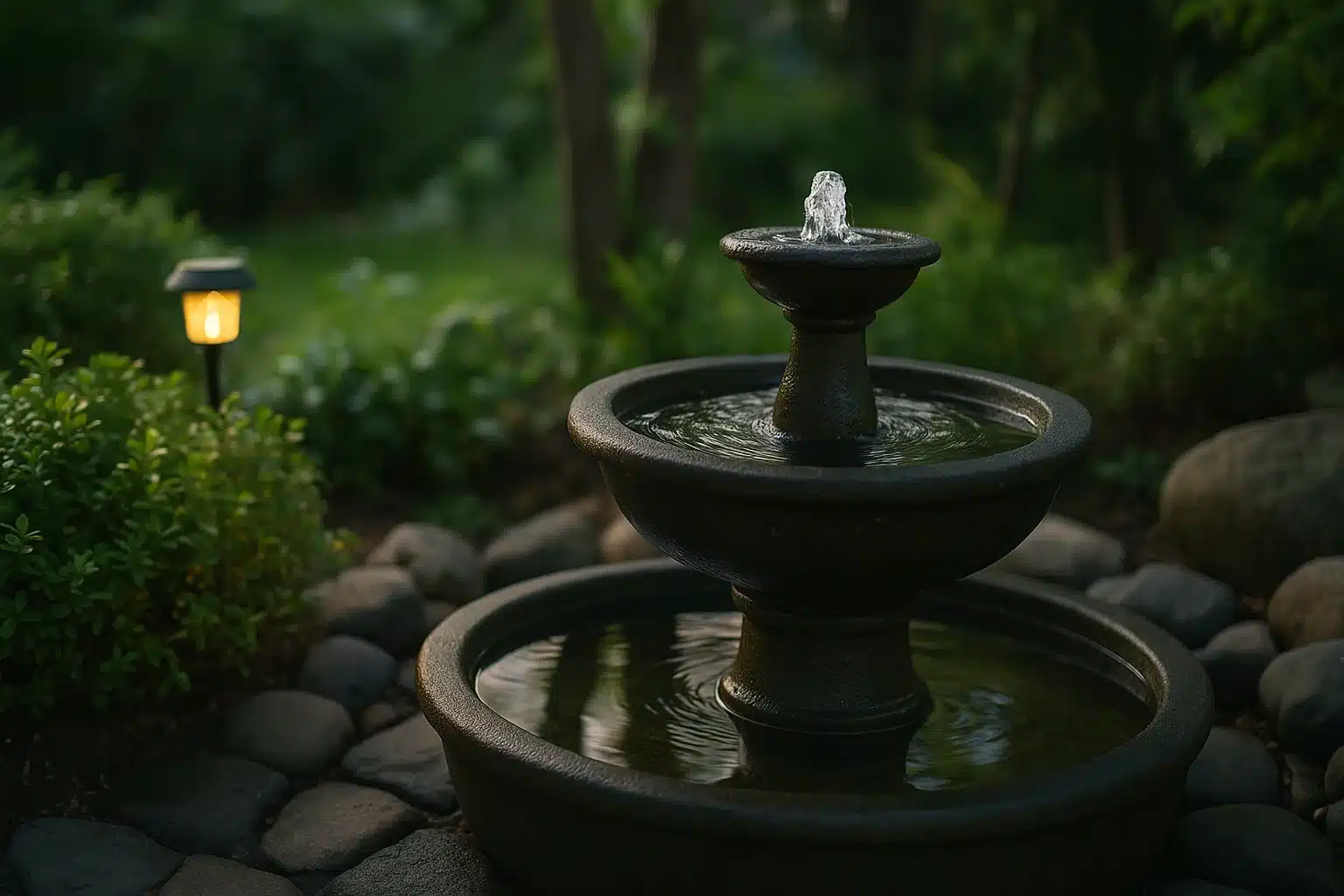
Introduction: Why Energy Efficiency Matters for Your Fountain
Fountains are not just decorative features, they’re dynamic symbols of serenity and movement, often serving as the centerpiece of gardens, courtyards, and public spaces. However, beneath their tranquil surface lies a reality that many overlook: fountains consume a significant amount of electricity.
From the constant operation of water pumps to lighting and filtration systems, a fountain’s energy demand can easily inflate monthly utility bills. Fortunately, energy-efficient fountain maintenance can dramatically reduce these costs without compromising beauty or performance.
This guide explores practical, science-backed, and easy-to-implement maintenance hacks to help you save electricity, extend equipment life, and contribute to environmental sustainability.
1. Understanding Fountain Energy Consumption
Before applying maintenance hacks, it’s crucial to understand what factors contribute to your fountain’s energy use.
1.1 The Pump: The Fountain’s Power Core
The pump is the primary consumer of electricity. Depending on your fountain’s size, a small indoor tabletop unit may use as little as 10–20 watts, while larger outdoor fountains with submersible pumps can draw 200–500 watts or more.
1.2 Lighting Systems
Many modern fountains feature LED or halogen lights for aesthetic enhancement. While halogen bulbs consume more power and emit heat, LEDs are up to 80% more efficient, making them the clear winner for energy-conscious setups.
1.3 Filtration and Aeration
Filtration systems that keep the water clear and algae-free also consume electricity. Unmaintained filters force pumps to work harder, increasing power draw.
1.4 Environmental Factors
Evaporation, debris, and algae growth can all make your pump less efficient. A fountain fighting against grime and water loss will inevitably consume more electricity.
Understanding these components helps identify where energy-saving interventions can have the most impact.
2. Choose the Right Pump for Energy Efficiency
2.1 Match Pump Size to Fountain Scale
Oversized pumps waste electricity by circulating more water than necessary. On the other hand, undersized pumps strain to move water effectively, reducing efficiency and lifespan.
Pro Tip:
Check the manufacturer’s guidelines for your fountain’s volume. The ideal pump should circulate all the water in the basin once every hour. For example, a 300-gallon fountain should use a 300 GPH (gallons per hour) pump.
2.2 Invest in Variable Speed Pumps
Modern variable-speed pumps adjust their flow rate automatically depending on demand, using 30–70% less electricity than traditional single-speed models.
2.3 Clean the Pump Regularly
Even the most efficient pump will consume extra power if clogged. Dirt, algae, or mineral deposits restrict water flow, forcing the motor to work harder.
Clean pump filters and intakes every two weeks during heavy use periods.
3. Schedule Pump Operation Wisely
3.1 Use Timers
Fountains don’t need to run 24/7. Installing a digital timer lets you automate when your fountain operates. For residential or commercial decorative fountains, 8–12 hours per day of operation is often sufficient to maintain circulation and prevent algae.
Energy Savings Example:
If your pump draws 200 watts and runs for 24 hours, it consumes 4.8 kWh per day. Reducing operation to 12 hours cuts consumption to 2.4 kWh, saving nearly 876 kWh annually, a major reduction in cost and carbon footprint.
3.2 Synchronize with Occupancy or Daylight
For public spaces or home gardens, set the fountain to run during hours when it’s most visible, typically early morning and evening.
Adding photoelectric sensors ensures lights and pumps activate only when ambient light drops.
3.3 Seasonal Adjustments
In colder months or rainy seasons, fountains can often operate at lower intervals. Create seasonal schedules that reduce runtime during periods of low visibility or visitor traffic.
4. Optimize Lighting for Efficiency
4.1 Switch to LED or Solar Lighting
If your fountain still uses incandescent or halogen bulbs, replace them immediately with LEDs. LEDs consume up to 80% less electricity, last 20–25 times longer, and produce minimal heat, helping maintain stable water temperatures.
Solar-powered lights are another great option for outdoor fountains. With modern photovoltaic efficiency, they can operate reliably even in moderate sunlight.
4.2 Smart Lighting Controls
Use smart plugs or Wi-Fi-enabled switches to manage lighting remotely. You can schedule them, dim brightness, or even turn them off automatically when the fountain is idle.
4.3 Reflective Enhancements
Adding reflective surfaces or light-colored stones inside the fountain can amplify lighting effects. You’ll achieve the same visual impact with fewer or lower-wattage lights.
5. Maintain Water Quality to Reduce Pump Strain
5.1 Prevent Algae and Mineral Build-Up
Dirty water forces the pump to work harder and reduces flow efficiency. Regular cleaning, combined with biodegradable algaecides or UV clarifiers, keeps water clear and lowers strain on the pump.
5.2 Use Filtered or Distilled Water
Hard water causes calcium deposits that clog pipes and nozzles. If you live in an area with hard water, consider filling your fountain with filtered or distilled water to minimize mineral buildup.
5.3 Maintain Proper Water Level
Low water levels make pumps run dry or suck air, leading to overheating and energy inefficiency. Check water levels every few days, especially during hot or windy weather.
A simple float valve can automate water replenishment and prevent unnecessary energy use due to pump stress.
6. Embrace Smart Automation
6.1 Integrate Smart Controllers
Smart fountain controllers allow remote monitoring of water levels, pump speed, and lighting. Some models even adjust operations dynamically based on temperature, sunlight, or occupancy.6.2 Use Motion Sensors
In public or commercial installations, motion-activated sensors can trigger the fountain when people approach. This can cut runtime by up to 50%, especially during off-peak hours.6.3 IoT Monitoring for Large Installations
For larger fountains or water features, Internet of Things (IoT) systems can provide real-time analytics on flow rates, pump efficiency, and energy use, allowing you to fine-tune performance for maximum savings.7. Insulation and Environmental Design
7.1 Shield from Wind
Wind increases evaporation, forcing pumps to work harder to maintain flow. Position your fountain in a wind-sheltered area or install windbreaks like hedges or glass barriers.7.2 Provide Shade
Direct sunlight not only heats the water, leading to evaporation, but also promotes algae growth. Placing your fountain near partial shade or using UV-blocking covers can help maintain cooler, cleaner water with less pump strain.7.3 Use Energy-Efficient Materials
If constructing a new fountain, choose light-colored, reflective, or insulated materials. These minimize heat absorption and evaporation, contributing to long-term energy efficiency.8. Regular Maintenance: The Key to Energy Savings
8.1 Clean the Fountain Basin
Debris like leaves, twigs, and dirt can obstruct water flow, making your pump work overtime. Clean the basin weekly and check for sludge buildup.8.2 Inspect Hoses and Fittings
Leaky hoses or blocked pipes increase pressure demands. Inspect your plumbing every month and repair small leaks immediately to prevent pump overload.8.3 Lubricate Mechanical Parts
For fountains with mechanical components like rotating statues or spray heads, use non-toxic lubricants to reduce friction and energy waste.8.4 Descale and Deep Clean Quarterly
A deep clean every three months removes mineral buildup and biofilm, optimizing water circulation and reducing pump wear.9. Consider Alternative Energy Sources
9.1 Solar-Powered Fountains
Solar fountains are an increasingly popular choice for homeowners seeking a sustainable, off-grid water feature. They use integrated solar panels and rechargeable batteries, providing zero operating costs. Tip: Choose a model with battery backup, ensuring continuous operation during cloudy days or at night.9.2 Hybrid Systems
Some modern fountains combine grid power with solar assistance, allowing solar panels to offset daytime energy usage while maintaining stable nighttime performance.9.3 Micro Hydro or Greywater Systems
For large installations or eco-parks, consider reusing greywater (non-potable water from sinks or rain collection systems) or installing micro hydro loops that recirculate water with minimal power.10. Seasonal Shutdowns and Efficiency Planning
10.1 Winterizing Your Fountain
In freezing climates, running fountains year-round can waste electricity and risk damage. Drain and winterize your fountain by:- Disconnecting the pump
- Storing it indoors
- Covering the basin to prevent debris and ice damage
10.2 Energy Audits
Conduct a simple energy audit once a year. Track the fountain’s runtime, wattage, and total kWh consumption. Tools like smart plugs or energy monitors can make this effortless. Analyzing these patterns helps identify inefficiencies, such as overly long operation cycles or dirty filters increasing load.11. Creative Hacks for Everyday Efficiency
11.1 Add Natural Filtration
Introduce aquatic plants like water hyacinths or lotus to naturally purify water. Cleaner water means less pump strain and lower maintenance energy use.11.2 Reuse Evaporated Water
Place catch basins or drip trays under fountains to collect splashed water, reducing refill frequency.11.3 Paint It Cool
If your fountain basin or sculpture absorbs heat, repaint it using light-reflective, waterproof paint. This helps maintain cooler water and reduces algae growth, minimizing pump stress.12. Real-World Energy Savings Example
Let’s break down a realistic example to demonstrate how these hacks add up:| Component | Before Optimization | After Optimization | Energy Saved |
|---|---|---|---|
| Pump (250W, 24h/day) | 6 kWh/day | 2.5 kWh/day (with timer + cleaning) | 3.5 kWh/day |
| Lighting (6 halogen bulbs, 300W total) | 2 kWh/day | 0.4 kWh/day (LEDs + smart timer) | 1.6 kWh/day |
| Evaporation/Pump Inefficiency | 1 kWh/day | 0.3 kWh/day (shading + water maintenance) | 0.7 kWh/day |
| Total Daily Savings | — | — | 5.8 kWh/day |
13. Long-Term Benefits of Energy-Efficient Fountain Maintenance
- Lower operating costs: Save money month after month.
- Extended pump lifespan: Reduced mechanical strain prevents breakdowns.
- Better water quality: Efficient systems maintain cleaner, fresher water.
- Sustainability: Reduces your property’s overall environmental footprint.
- Aesthetic longevity: Clean, balanced systems preserve visual appeal for years.