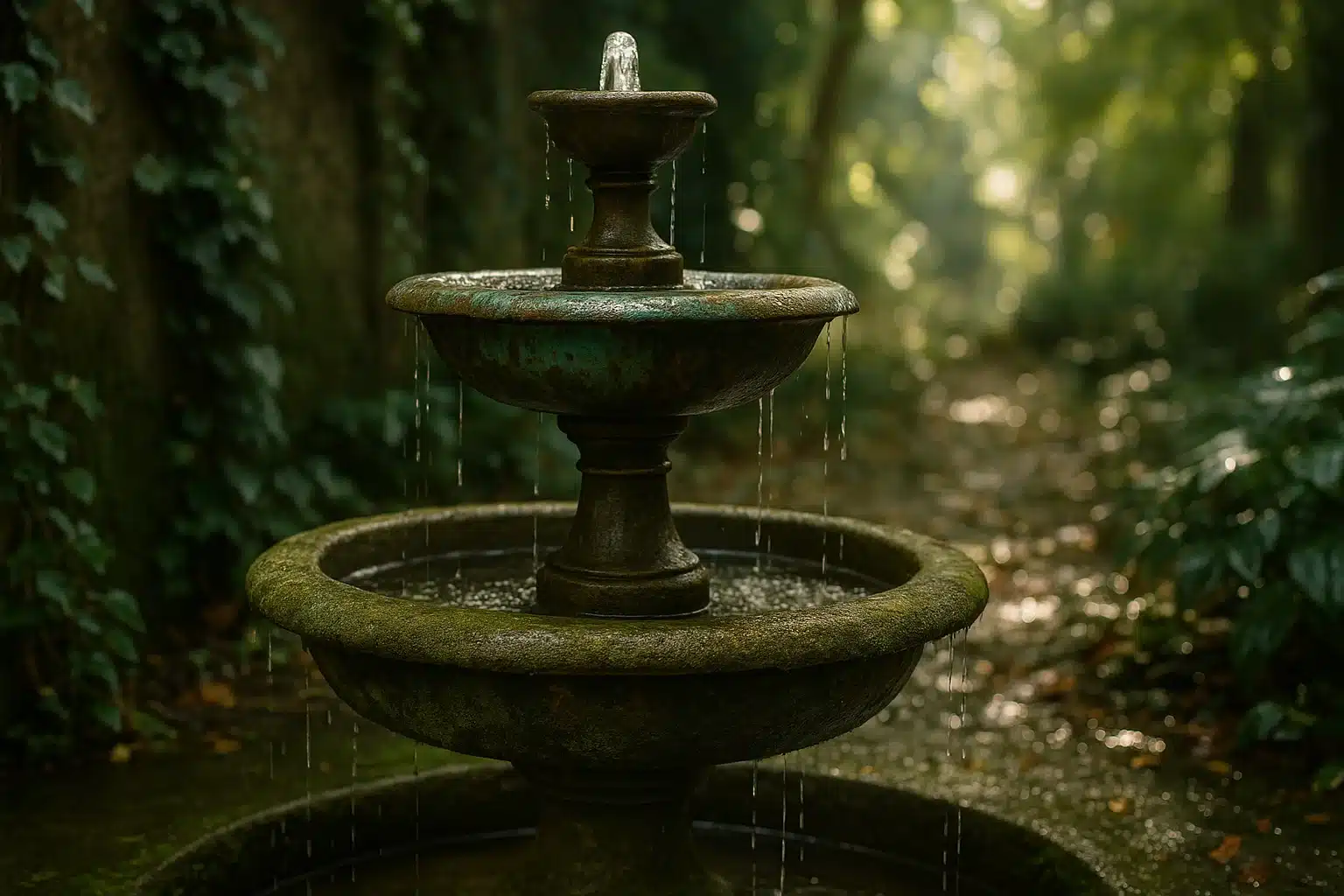
Introduction: The Beauty in Time’s Touch
There’s something undeniably enchanting about a garden fountain that seems to have stood for centuries. The soft green hues that creep across bronze, the subtle deepening of stone, or the gentle dulling of metal surfaces, all tell a story of age, weather, and grace. Far from detracting from their beauty, these natural transformations enhance a fountain’s charm. They give it depth, personality, and authenticity that brand-new structures simply cannot replicate.
In this post, we’ll explore how fountains age gracefully through natural processes such as patina formation, oxidation, and environmental wear. We’ll look at what causes these transformations, why they’re valued, and how you can care for your fountain to encourage, or manage, its evolving aesthetic over time.
The Concept of Aging Gracefully in Garden Fountains
When we think of “aging,” it often carries a sense of loss. But in the realm of outdoor design, aging can be an art form. Just as fine wine matures or old wood acquires a silvery sheen, well-crafted fountains undergo subtle changes that enrich their visual appeal.
In fact, some landscape designers intentionally choose materials that will evolve with time. The goal is to create a living feature, a structure that harmonizes with its surroundings and reflects the passage of seasons.
This philosophy of wabi-sabi, a Japanese aesthetic that finds beauty in imperfection and impermanence, captures the essence of fountains that age gracefully. The stains of rain, the mark of wind, and the slow oxidation of metal are not flaws, they are the fountain’s natural fingerprint.
The Science Behind Patinas and Oxidation
What Is a Patina?
A patina is a thin layer that forms on the surface of materials such as bronze, copper, and even certain types of stone due to exposure to the elements. It’s a form of controlled corrosion, nature’s way of protecting the material beneath while simultaneously transforming its appearance.
Over time, oxygen, moisture, and carbon dioxide interact with the surface, producing colors ranging from earthy browns and reds to brilliant greens and blues. These tones give antique fountains their signature “old-world” appeal.
Oxidation in Metal Fountains
When metals like bronze, copper, or iron are used in fountains, they naturally undergo oxidation. This is a chemical reaction between the metal and oxygen molecules in the environment, often accelerated by water and humidity.
For example:
- Copper and bronze develop a green-blue patina (copper carbonate or “verdigris”).
- Iron forms rust (iron oxide), resulting in warm reddish-brown hues.
- Zinc and aluminum can form whitish or grayish oxide coatings.
These layers act as natural protectants, sealing the material beneath from further deterioration while adding character and depth to the appearance.
Types of Fountain Materials and Their Aging Patterns
Different fountain materials respond uniquely to time, weather, and environment. Understanding these patterns helps you appreciate and manage the aging process.
1. Bronze Fountains
Bronze fountains are legendary for their ability to develop a stunning green or turquoise patina. This transformation is gradual, sometimes taking years to fully mature. Initially, bronze appears golden-brown; as it interacts with air and water, subtle darker tones form before eventually shifting to verdigris.
Bronze’s patina is highly valued not just for aesthetics but also for protection—it prevents further corrosion. Many collectors and designers even accelerate patina formation through chemical treatments to achieve that coveted aged look.
Pro Tip: Avoid over-cleaning bronze fountains. Harsh scrubbing or polishing can strip away the natural patina, forcing the aging process to start over.
2. Copper Fountains
Copper fountains share similar chemistry with bronze but tend to form a more vibrant green or teal patina. The transformation often begins as dull brown, progressing to darker shades before finally reaching the rich green tone that signals maturity.
Because copper reacts quickly to moisture and air, its appearance can change dramatically within just a few seasons, especially in humid climates or near coastal areas.
Pro Tip: If you prefer to maintain copper’s original sheen, a thin coat of clear lacquer or wax can slow the patination process. However, this requires consistent maintenance.
3. Cast Iron Fountains
Cast iron offers a completely different aging narrative. Instead of green patinas, iron develops a reddish-brown rust layer that gives it a rugged, rustic charm. While some degree of oxidation enhances character, too much can weaken the structure.
Proper sealing and occasional touch-ups can keep the fountain sturdy while still allowing it to age aesthetically.
Pro Tip: Apply a clear rust inhibitor or oil-based sealant yearly to balance protection and appearance.
4. Stone Fountains
Natural stone fountains, made from materials like limestone, marble, or granite, age in subtler but equally captivating ways. Over time, they may darken slightly, develop lichen or moss, or show faint water streaks.
This organic evolution makes stone fountains blend beautifully into the landscape. Their “softened edges” and weather-worn textures embody the essence of timeless beauty.
Pro Tip: Encourage moss or lichen growth for an antique look by lightly misting the stone with a mixture of buttermilk and water, an old gardener’s trick.
5. Concrete and Resin Fountains
Modern fountains often use concrete or resin for durability and affordability. While these materials don’t develop patinas naturally, they still exhibit wear that can be attractive—like subtle discoloration, fine cracks, or surface mineral deposits.
Some manufacturers even apply faux finishes to simulate the appearance of aged stone or metal, giving you the charm of age without the wait.
Pro Tip: A diluted vinegar rinse can remove unwanted mineral stains while preserving a natural, aged appearance.
Environmental Factors That Influence Aging

The way your fountain ages depends not just on its material but also on where it lives and how it interacts with its surroundings.
1. Climate and Weather
Humidity, rainfall, and temperature fluctuations are major factors. For instance, moist climates encourage faster patina formation and moss growth, while dry regions tend to produce more subtle surface changes.
2. Sun Exposure
Constant UV exposure can fade certain finishes and accelerate color changes. However, it also brings out natural tonal variation that gives fountains depth.
3. Water Quality
Hard water, rich in minerals, can leave calcium and lime deposits that appear as white streaks. While some consider this unsightly, others see it as part of the fountain’s authentic aging pattern.
4. Surrounding Vegetation
Falling leaves, pollen, and organic debris contribute to the fountain’s patina through staining and minor microbial growth. Over time, this enhances the natural blending of the structure with its environment.
The Art of Encouraging a Natural Patina
Some homeowners and garden designers intentionally encourage the aging process to achieve a desired look sooner. Here are a few methods used to accelerate natural wear—while keeping results authentic.
1. Controlled Moisture Exposure
Lightly misting the fountain with water and allowing it to dry naturally promotes oxidation. This method works particularly well with copper and bronze.
2. Mild Chemical Treatments
Special patina solutions (often made with vinegar, salt, or ammonia) can be applied to speed up color changes. However, these should be used cautiously to avoid overreacting or uneven effects.
3. Organic Growth Encouragement
Moss, algae, and lichen add softness and texture to stone fountains. To foster natural growth, place the fountain in a shaded, moist area and avoid harsh cleaning products.
4. Avoid Over-Protection
While sealants and coatings help preserve surfaces, they can also inhibit natural evolution. If your goal is to achieve a genuine aged appearance, let nature take its course—with only minimal maintenance to prevent structural issues.
When Aging Becomes Damage
Though patinas and weathering are beautiful, it’s important to distinguish between healthy aging and harmful deterioration.
Signs of Problematic Wear:
- Deep cracks or spalling in stone or concrete
- Flaking or scaling metal surfaces
- Persistent leaks caused by corrosion
- Structural instability
When such issues appear, intervention is necessary. Restoration may involve re-sealing, structural repairs, or professional cleaning using non-abrasive methods.
The key is balance, allowing beauty to emerge naturally while maintaining the integrity of the fountain.
Maintenance Tips for Long-Term Beauty
- Gentle Cleaning: Use a soft brush and mild soap to remove dirt or algae buildup. Avoid wire brushes, pressure washers, or harsh chemicals that can damage surfaces or strip patinas.
- Regular Water Changes: Replace water every few weeks to prevent mineral buildup and stagnation. Stale water not only looks unpleasant but can also affect the fountain’s surface chemistry.
- Seal When Necessary: For porous materials like stone or concrete, apply a breathable sealant every few years. This helps prevent deep staining while allowing natural weathering.
- Winter Protection: In colder climates, drain the fountain before freezing temperatures arrive. Ice expansion can cause cracking and irreversible damage. Cover the fountain or move smaller ones indoors if possible.
- Embrace Imperfection: Resist the urge to restore everything to “new.” A few stains, discolorations, and growths are what make your fountain truly unique.
Symbolism: The Meaning of an Aged Fountain
Beyond aesthetics, an aged fountain carries symbolic meaning. It represents endurance, renewal, and the gentle passage of time. The water flowing endlessly from an aged basin embodies constancy amid change, an elegant reminder that beauty deepens, rather than fades, with time.
In cultural and historical gardens around the world, from Italian villas to Japanese courtyards, aged fountains serve as focal points of contemplation. They reflect a balance between nature and craftsmanship, chaos and control, impermanence and permanence.
Famous Examples of Fountains That Age Gracefully
1. The Trevi Fountain, Rome
Though meticulously maintained, the Trevi Fountain’s travertine stone bears the subtle imprint of centuries. Sunlight, air, and water have softened its once-sharp details, lending a dreamlike quality that photographs can’t capture.
2. Versailles Garden Fountains, France
Exposed to rain, algae, and time, the fountains of Versailles display a quiet patina that only centuries of weather can create. Their bronze and gilded sculptures shimmer with history, not perfection.
3. Courtyard Fountains in Spanish Missions
In the American Southwest and Mexico, centuries-old mission fountains show how stone, clay, and mineral deposits form a living record of climate and devotion.
These examples prove that aging doesn’t diminish grandeur, it enhances it.
Creating a Timeless Fountain in Your Own Space
If you’re designing a new garden fountain or restoring an old one, consider how you want time to influence its look. Choose materials that resonate with your aesthetic goals:
- For a classic European garden: Opt for bronze or copper for their deep, colorful patinas.
- For a rustic retreat: Cast iron or weathered concrete pairs beautifully with natural plant growth.
- For a serene, Zen-inspired garden: Stone or marble provides a grounding, organic presence that evolves gracefully.
Position your fountain where it can interact with natural elements, sun, rain, and wind. Over the years, it will become more than décor; it will become a story.
The Philosophy of Sustainable Ageing
In today’s throwaway culture, embracing patina is also an act of sustainability. Allowing your fountain to age naturally reduces the need for chemical treatments, replacements, and constant maintenance.
Instead of hiding the marks of time, celebrate them. Each change reflects a moment in your garden’s history, a visual diary written in oxidation and rain.
Conclusion: Time as an Artist
A fountain that ages gracefully reminds us that beauty is not static. It evolves, deepens, and transforms. Whether through the green shimmer of copper, the softened surface of stone, or the rust-kissed iron bowl, these natural changes mirror the cycles of life itself.
When we embrace patinas, oxidation, and natural wear, we invite nature to collaborate in the design. The result is not decay, but artistry.