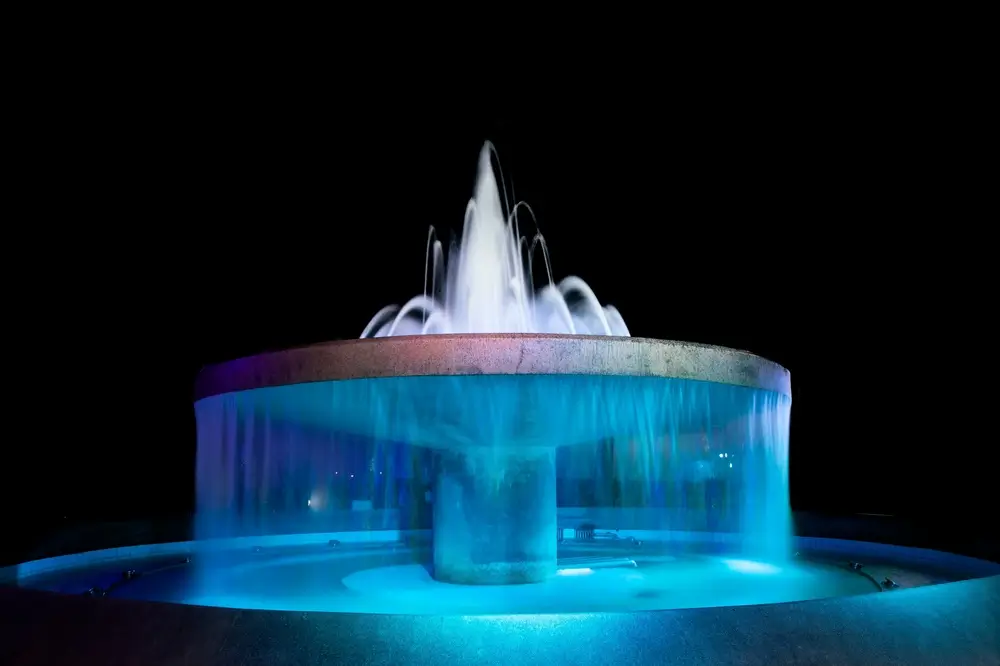
From Jet to Fog Exploring the Full Spectrum of Water Textures in Fountain Design

From Jet to Fog: Exploring the Full Spectrum of Water Textures in Fountain Design

Introduction

Fountain design is often admired for its aesthetic value, but its true brilliance lies in the artistry of water textures. From towering jets that slice the sky to soft fog that wraps around the senses, the range of water textures available today provides designers with an expansive creative palette. Water, in its many forms, can evoke excitement, peace, awe, or mystery.

This post delves into the broad spectrum of water textures—jets, bubbles, sprays, cascades, streams, sheets, and fog—and how each contributes to the narrative and function of a fountain. Whether you’re an architect, designer, property owner, or water feature enthusiast, understanding these textures can help you better plan or appreciate water installations that are both beautiful and meaningful.

The Power of the Jet: The Drama Begins

Vertical and Laminar Jets

Jets are the iconic signatures of many public and private fountains. High-powered vertical jets create a dramatic and often exhilarating effect, symbolizing strength and precision. They’re common in urban plazas and monumental fountains such as the Jet d’Eau in Geneva or the World War II Memorial fountains in Washington, D.C.

Laminar jets, on the other hand, offer a clean, glass-like stream of water. The clarity and consistency create an almost magical aesthetic, especially when paired with LED lighting that can change color or pulse in rhythm.

Applications

  • Public squares for attention-grabbing displays
  • Interactive fountains for children
  • Corporate headquarters as focal points
  • Luxury resorts to add opulence and symmetry

Technical Considerations

High-pressure pumps and specialized nozzles are required for jet fountains. Wind sensors are often included to reduce spray drift in gusty conditions, maintaining water efficiency and guest comfort.

The Whisper of Bubbles: Soft Energy

Bubble fountains are a gentler counterpoint to jets. Air mixed with water creates a frothy texture that is visually and audibly softer. These are often used in indoor fountains or as accent features in a larger outdoor display.
 

Why Use Bubbles?

  • Tranquil atmosphere: Perfect for meditation gardens or waiting areas
  • Safety: Low water height reduces risk in public spaces
  • Maintenance: Less prone to wind interference

Ideal Settings

  • Day spas and wellness retreats
  • Indoor office lobbies
  • Small urban patios or balconies
  • Entrances to restaurants and hotels

The Spray and Mist: Dance in the Air

Misting fountains and fine spray nozzles produce one of the most sensory-rich water textures in the design toolkit. The droplets are so small that they hover briefly before vanishing, creating a dreamy or ethereal atmosphere.

Fog vs. Mist

Mist typically refers to light water droplets sprayed into the air. Fog is often created using high-pressure atomization to produce an even finer droplet size that floats like smoke.

Aesthetic and Functional Appeal

  • Cooling effect: Reduces ambient temperature, perfect for arid climates
  • Mood creation: Adds an air of mystery or softness
  • Lighting interaction: Enhances LED and color projections at night

Where They’re Best Used

  • Outdoor event spaces
  • Botanical gardens
  • Themed parks
  • Zen or meditation-focused areas

Cascades and Waterfalls: Gravity in Motion

Cascading water adds a naturalistic element to any fountain. The sight and sound of water falling over rocks or sculpted surfaces mimics nature and invites calm reflection.

Layered Cascades vs. Sheet Waterfalls

Layered cascades resemble natural streams trickling down rocks, often irregular and textured.

Sheet waterfalls offer a smoother, unbroken descent of water, often from a straight-edge spillway.

Design Benefits

  • Natural ambiance: Mimics rivers and waterfalls
  • Sound masking: Hides traffic or mechanical noise
  • Visual dynamism: Changes with sunlight and movement

Typical Installations

  • Residential backyards and pools
  • Large commercial garden spaces
  • Hotel courtyards

Museums and historic gardens

Rills, Streams, and Runnels: The Calm Flow

Rills Streams and Runnels The Calm Flow
These are thin, often shallow channels of water that flow gently and are sometimes guided by architectural edges or carved stone paths.

Their Role in Design

  • Guide movement: Lead the eye or feet through a space
  • Encourage interaction: Children love to trail their fingers in these
  • Symbolism: Represent continuity and life

Common Locations

  • University campuses
  • Modern parks
  • Outdoor dining areas
  • Art installations

Sheets and Curtains: Fluid Architecture

Water sheets and curtains are excellent for creating partitions, privacy walls, or dynamic backdrops. The water flows over a flat surface, such as glass, metal, or textured stone, creating a veil-like effect.

Characteristics

  • Elegant and modern: Often used in minimal or futuristic designs
  • Soothing sound: Uniform flow provides white noise without turbulence
  • Light enhancement: Can be backlit or internally lit for dramatic effect

Ideal Uses

  • Indoor atriums
  • Corporate lobbies
  • Restaurants and upscale bars
  • Wellness centers

Fog Fountains: Breathing Atmosphere into Space

One of the most enchanting advancements in modern fountain design is the use of fog fountains. These utilize high-pressure systems to create a dense, cool fog that rolls across surfaces and blends with light and wind.

Psychological Effect

  • Mystical: Triggers curiosity and wonder
  • Temporal: Because fog dissipates and reforms, it introduces an element of time and change
  • Immersive: Draws viewers in through multiple senses

Maintenance and Tech

Fog systems require filtration, water purification, and careful nozzle placement to ensure safety and efficacy. They’re often paired with motion sensors and programmed lighting for interaction and drama.

Combining Textures for Multi-Sensory Experiences

Many modern fountains integrate multiple textures to enhance sensory engagement. For instance, a central jet may be surrounded by bubble zones and mist halos. A stepped cascade might culminate in a fog bed. These complex designs heighten emotional response and provide different experiences depending on viewer position and time of day.

Integrated Systems

Combining water textures requires advanced control systems for flow regulation, lighting synchronization, and weather responsiveness. These hybrid designs are ideal for:
 

Best Applications

  • Interactive urban plazas
  • Art-centric installations
  • Corporate headquarters
  • Luxury hotels and resorts

Lighting and Water Texture: A Symbiotic Relationship

Each water texture interacts uniquely with light. Jets can reflect lasers and color beams. Mist and fog capture ambient or directed lighting, turning invisible air into a visual spectacle. Sheets and bubbles refract light differently, affecting how colors and patterns are perceived.

Design Considerations

  • Color temperature: Warm lights for intimacy, cool for modernity
  • Angle and position: Strategic lighting creates depth and illusion
  • Interactivity: Motion sensors can change colors as people walk by

The Acoustic Side of Water Textures

Sound is a crucial part of custom fountains. While jets produce energetic splashes, sheets emit a gentle hum, and fog is virtually silent. Designers must consider ambient noise levels and desired emotional impact when selecting water textures.

Sound Profiles

  • Jet: Splashy and bold
  • Cascade: Rhythmic and natural
  • Bubble: Soft fizz or trickle
  • Fog/Mist: Silent or slightly hissing

Fog/Mist: Silent or slightly hissing

Sustainable Considerations

Different textures use water and energy at varying levels. Fog and mist systems may use less water due to their fine output but require high energy for pressurization. Jet fountains need powerful pumps and filtration but can recirculate water effectively.

Tips for Eco-Friendly Design

Cultural and Historical Influences

Water textures have appeared in design for millennia. Roman aqueducts featured bubbling and cascade effects. Islamic gardens emphasized rills and channels. Chinese and Japanese traditions favored still water and foggy ambiance. Today’s fountains pay homage to these traditions while integrating technology for modern interpretation.

Conclusion

Water is a sculptor of space, mood, and memory. From energetic jets to ghostlike fog, the textures of water in a water feature offer more than visual appeal—they provide movement, sound, temperature, and atmosphere. Understanding and combining these textures allows for highly personalized and emotionally resonant environments.

Whether you’re designing a corporate plaza, a meditative retreat, or a public installation, the textures of water should be chosen not just for style, but for the story they tell. Each ripple, stream, and droplet adds to the experience. In the end, fountains don’t just move water—they move people.

FAQs:

Mist consists of slightly larger droplets sprayed into the air, while fog involves ultra-fine droplets that hang in the air like smoke. Fog systems usually require high-pressure atomizers.

Absolutely. Many contemporary fountain designs blend textures—such as jets, bubbles, and mist—to create layered sensory experiences.

Yes, most fog and mist systems are safe as they use purified water and low-flow pressure, though supervision is always recommended around water features.