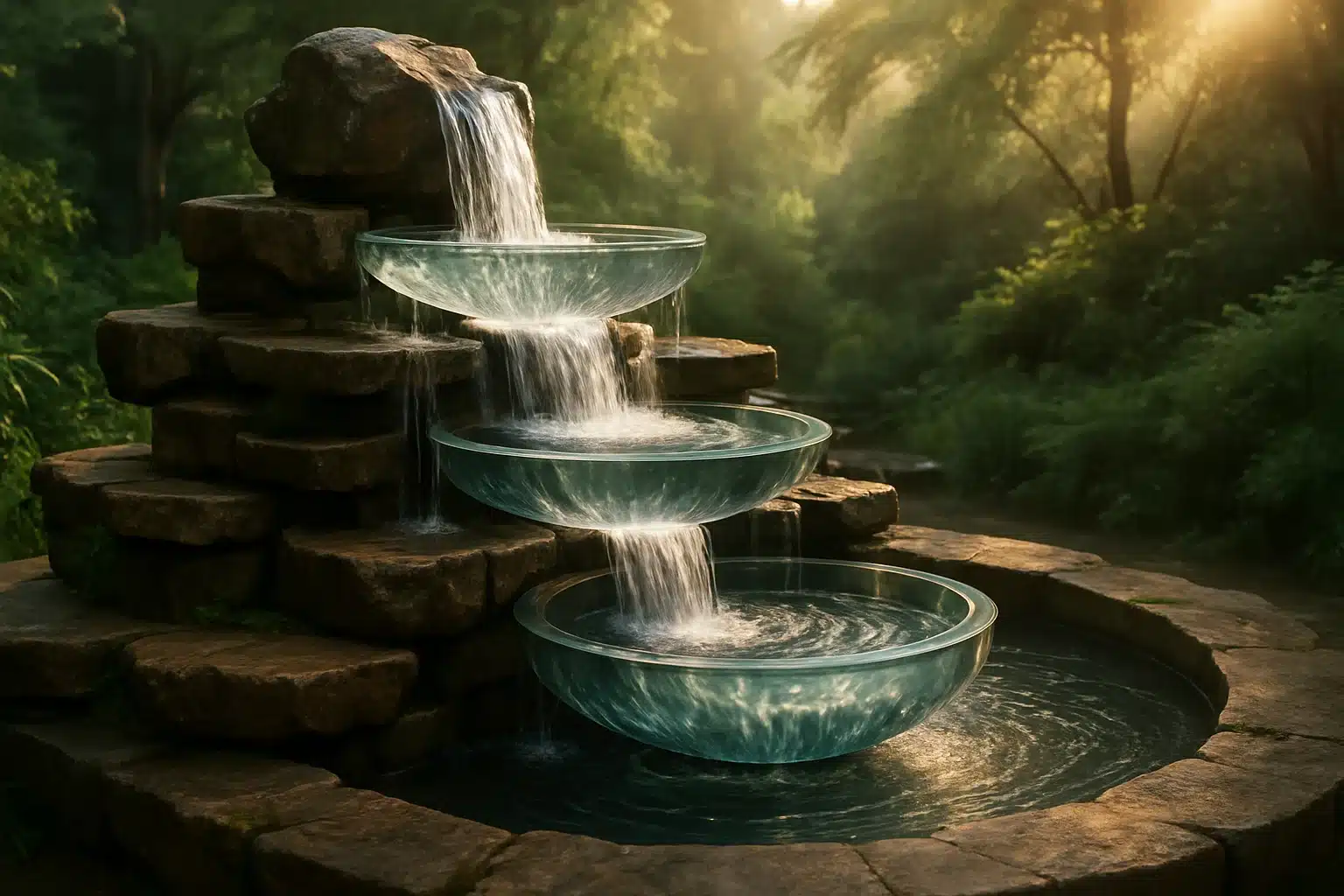
Introduction: The Living Canvas of Water
Water has always fascinated human beings. From ancient aqueducts to modern luxury resorts, fountains represent a fusion of art, architecture, and engineering. A multi-level fountain is more than just a decorative element, it’s a layered composition of movement, sound, and light. Unlike single-tier fountains, multi-level designs provide shifting perspectives that change as viewers move around them, creating a dynamic and immersive experience.
In this article, we’ll explore the philosophy, design strategies, materials, and technical considerations that go into creating layered multi-level fountains. We’ll also discuss how these fountains can transform spaces, whether public squares, gardens, courtyards, or urban plazas, into living works of art.
The Philosophy of Layered Perspectives
1. Multi-Sensory Experiences
A fountain appeals not only to the eye but also to the ear and even touch. Layering water across different levels multiplies these sensory experiences. The splash from a higher tier contrasts with the tranquil sheet flow of a lower basin. This interplay of sounds and sights evokes emotions, from serenity to awe.
2. Symbolism and Storytelling
Multi-level custom fountains often embody cultural, spiritual, or narrative significance. Ancient Persian gardens used tiered water systems to symbolize paradise. Renaissance Europe used cascading fountains to demonstrate mastery over nature. Today, designers can use multiple layers to symbolize progress, harmony, or even the journey of water itself—from source to stream to ocean.
3. Movement and Perspective
Single-level fountains provide a static focal point, but multi-level fountains encourage exploration. As people walk around them, each angle reveals a new vista: water falling in veils, droplets sparkling in sunlight, or hidden niches framed by sculpture. This makes them highly dynamic installations that reward curiosity.
The Anatomy of a Multi-Level Fountain
1. The Source (Top Tier)
At the crown lies the first cascade, often the most dramatic. This tier sets the tone for the entire design. It may feature jets shooting skyward, a sculptural centerpiece, or a naturalistic rock formation. The goal is to establish visual dominance and set water into motion.
2. Intermediate Layers
These levels act as transitional stages. Water collects, flows, and disperses before dropping again. Each intermediate tier can feature distinct design elements, arched spouts, carved basins, or geometric bowls. The rhythm of water flow creates visual harmony.
3. The Final Basin
The lowest pool serves both as a functional reservoir and a reflective surface. Wide, shallow basins allow water to calm down, creating a mirror that captures architecture, sky, and foliage. It provides closure to the water’s journey while anchoring the fountain within its space.
Design Strategies for Dynamic Views
1. Height and Scale
The proportions of each level determine how the fountain interacts with its surroundings. A courtyard fountain might have gentle, low tiers to invite intimacy, while a public plaza could feature towering cascades for dramatic effect. Designers must balance visibility with harmony, too tall and it overwhelms; too small and it underwhelms.
2. Flow Variation
Not all layers should look the same. Designers can alternate between:
- Jets and spouts for energy
- Sheet flows for tranquility
- Cascades for natural drama
- Mist effects for ethereal atmosphere
This variation keeps viewers engaged and prevents monotony.
3. Light and Shadow Play
Lighting is crucial. Underwater LEDs, spotlights, and even natural solar alignment can transform fountains after dark. A cascade glowing in amber light at night looks entirely different from the same cascade shimmering in morning sunlight.
4. Integration with Landscape
The best fountains don’t sit apart from their environment—they merge with it. Designers can echo nearby architectural motifs, frame vistas, or use plantings to soften the edges. In contemporary design, fountains often incorporate seating, inviting people to linger.
Historical Inspirations
- The Alhambra (Spain): The Court of the Lions features a central fountain with multiple spouts feeding smaller channels. This layered system creates shifting patterns of flow, reflecting Islamic geometry and harmony.
- Villa d’Este (Italy): A masterpiece of Renaissance water engineering, its terraced fountains use gravity-fed cascades to delight visitors. Each level offers new views, showcasing water as both spectacle and engineering marvel.
- Versailles (France): The fountains at Versailles epitomize grandeur. Multi-level cascades were choreographed with music, transforming water into a theatrical performance.
These historic examples show how layered fountains transcend decoration—they express cultural identity and human ambition.
Modern Approaches
Urban Plazas
Cities increasingly use multi-level fountains to animate public spaces. Examples include choreographed water shows synchronized with music and lights, such as Dubai’s Burj Khalifa fountain.
Eco-Conscious Design
Sustainable fountains recycle water with efficient pumps, incorporate rainwater harvesting, and use solar energy for lighting. Layering allows water to travel longer distances within a closed system, maximizing effect while conserving resources.
Interactive Elements
Contemporary fountains often invite interaction. Shallow lower basins may be accessible for children to play, while mist levels cool passersby in hot climates. Multiple tiers allow segmentation, some layers are purely aesthetic, while others encourage touch.
Technical Considerations
1. Hydraulic Engineering
Designers must calculate flow rates, pump sizes, and gravity effects to ensure smooth transitions between tiers. A miscalculation could result in water splashing beyond basins or uneven distribution across levels.
2. Material Choices
- Stone for timeless elegance
- Concrete for durability
- Stainless steel for modern aesthetics
- Glass or acrylic for transparency and light play
Each material affects water’s behavior, rough stone creates ripples, while polished marble yields smooth sheets.
3. Maintenance
Multi-level fountains require regular care: cleaning algae, checking pumps, sealing leaks. Designers should consider access for maintenance without disrupting aesthetics.
4. Climate Adaptation
In colder climates, fountains must withstand freezing. Designers may install heating elements or design basins that can be drained seasonally. In arid climates, evaporation management is critical.
Case Studies
- The Crown Fountain, Chicago: This interactive fountain uses LED screens and two facing towers, with water cascading from the top. Its layered design combines technology, art, and play.
- Cascading Fountains at Longwood Gardens, Pennsylvania: A revival of Renaissance-style cascades, these fountains choreograph multiple tiers of water to music, creating both movement and melody.
- Private Villa Projects: Luxury villas often employ tiered fountains in courtyards. A central sculptural feature feeds smaller basins, creating an intimate yet opulent experience.
Psychological and Emotional Impact
Water calms, heals, and inspires. Multi-level fountains amplify these effects by offering complexity and variety. The gentle rhythm of falling water reduces stress, while the grandeur of multiple cascades inspires awe. These emotional responses make layered fountains ideal for public spaces, resorts, and healing gardens.
Future Trends
- Augmented Reality (AR): Visitors may use devices to see hidden narratives layered into fountain design.
- Smart Fountains: IoT sensors adjusting flow and lighting based on crowd size, time of day, or weather.
- Hybrid Functions: Fountains doubling as air purifiers or cooling systems for urban microclimates.
As technology and sustainability shape design, multi-level fountains will continue to evolve, balancing artistry with ecological responsibility.
Conclusion
Designing fountains is an art that fuses engineering, storytelling, and sensory engagement. Layered perspectives allow viewers to experience water in endlessly dynamic ways, whether as a mirror, a cascade, a mist, or a sparkling jet. From ancient palaces to futuristic smart cities, fountains remain timeless emblems of human creativity and our deep connection to water.
Multi-level fountains are not just built structures, they are living performances, always changing, always captivating. By thoughtfully layering perspectives, designers can transform spaces into immersive landscapes that delight, inspire, and endure.