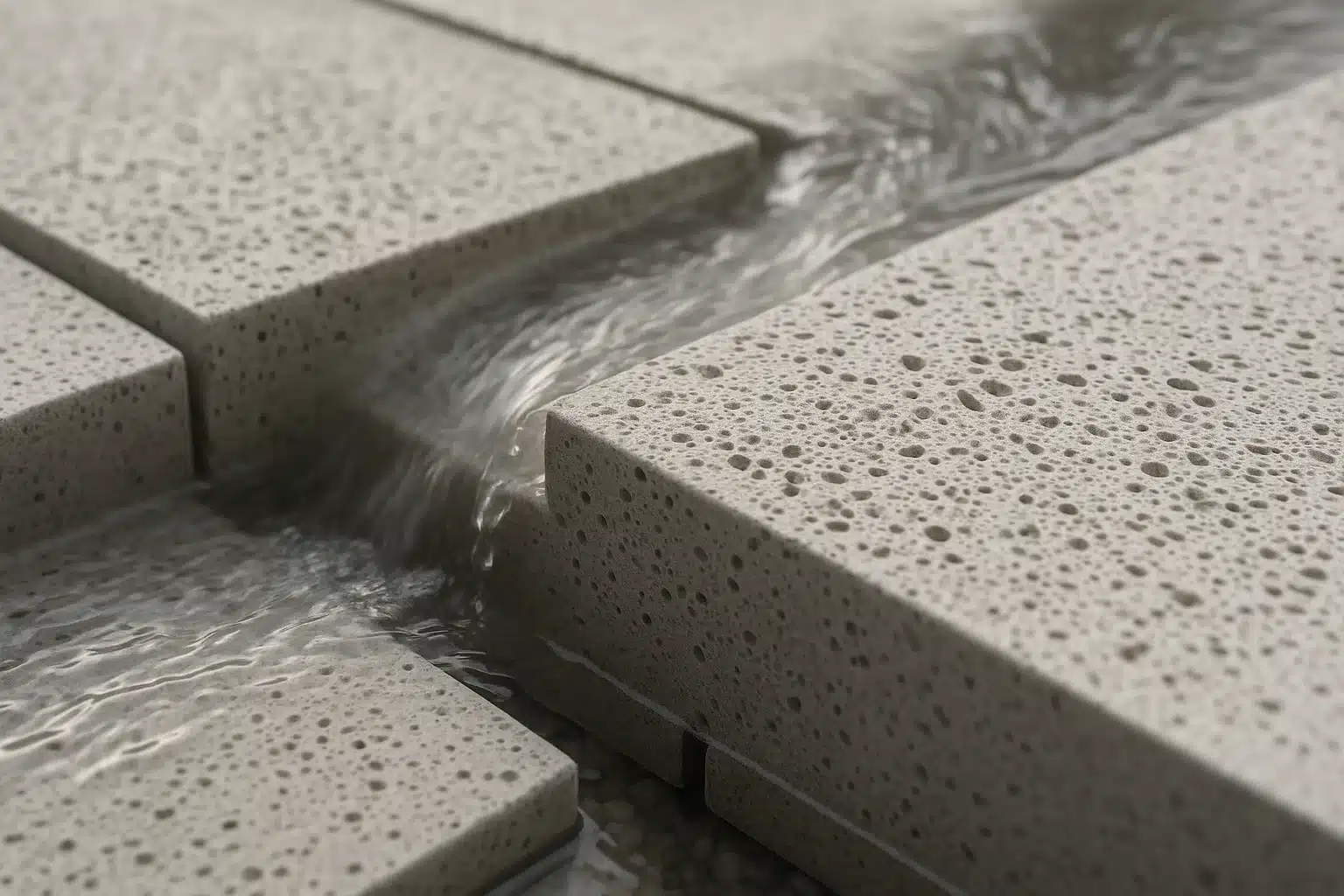
Introduction: The Hidden Power of Porous Materials
When we think of stone, we often imagine strength, solidity, and permanence, qualities that make it seem the opposite of “breathable.” Yet, some stones possess a remarkable property that bridges strength with permeability: porosity. Porous stones, unlike their dense counterparts, allow air and water to pass through microscopic openings within their structure. This simple trait makes them indispensable in modern sustainable design, from drainage systems and retaining walls to paving and decorative landscaping. In an age when stormwater management, erosion control, and eco-friendly building are essential, understanding how porous stones interact with water flow can make the difference between a short-lived structure and a resilient, self-regulating one. This article explores the science of porosity, the types of stones that “breathe,” and how to choose materials that balance form, function, and sustainability.The Science Behind Porosity: Why Stone “Breathes”
What Is Porosity?
Porosity refers to the ratio of void spaces (pores) within a material to its total volume. It’s expressed as a percentage, representing how much of the stone is “empty space.” These voids can be interconnected (permeable) or isolated (impermeable). Only when pores connect, forming channels through which fluids can move, does a stone exhibit permeability, the capacity to allow water flow. In essence:- Porous stone: Has microscopic gaps or pores.
- Permeable stone: Allows air or water to pass through those gaps.
Why Porosity Matters for Water Flow
Water behaves predictably when interacting with stone:- Absorption: Porous stones take in water, which may evaporate slowly or drain through the surface.
- Capillarity: Water rises within the stone’s pores, especially in materials with small, interconnected voids.
- Permeability: In permeable stones, water moves entirely through, preventing puddles or trapped moisture.
Porous Stones in Nature and Construction
Common Porous Stone Types
Here are some natural and engineered stones known for their porosity and permeability:| Stone Type | Porosity Level | Common Uses | Key Benefits |
|---|---|---|---|
| Limestone | High | Paving, walls, facades | Natural texture, easy drainage |
| Sandstone | Moderate to High | Walkways, patios | Excellent water absorption, slip resistance |
| Travertine | High | Pool decks, courtyards | Natural cooling, elegant finish |
| Tuff / Volcanic Rock | Very High | Garden beds, water features | Lightweight, superior drainage |
| Slate | Low to Moderate | Roof tiles, decorative paving | Some natural permeability, high durability |
| Permeable Concrete / Pavers | Engineered | Driveways, urban walkways | Designed for maximum water flow and sustainability |
Among these, travertine and limestone are prized for balancing strength with high porosity, while engineered permeable pavers are increasingly used in urban developments seeking LEED certification or green infrastructure compliance.
How Porous Stones Improve Drainage and Longevity
1. Preventing Surface Runoff
Traditional concrete and dense stones trap water, forcing it to run off into drains or soil edges. In contrast, porous stones absorb and redirect water beneath the surface. This mimics natural hydrology, reducing strain on municipal drainage systems and helping replenish groundwater.
2. Mitigating Flooding and Erosion
By absorbing rainfall where it lands, porous paving and retaining walls reduce flash flooding during heavy storms. They stabilize soil, control sediment flow, and protect nearby vegetation from being washed away.
3. Reducing Heat and Moisture Retention
Porous stones act as natural “thermal regulators.” Because they allow evaporation, they stay cooler under direct sunlight compared to dense materials like granite or concrete. This property makes them ideal for pool decks, patios, and city walkways where heat retention can otherwise be a problem.
4. Extending Structural Lifespan
Water trapped in non-porous materials expands during freezing conditions, leading to cracks and spalling. Porous stones minimize this issue by allowing water to escape, thus preventing internal pressure buildup and extending the life of the installation.
Choosing the Right Porous Stone for Your Project
Step 1: Assess Site Drainage and Climate
- Wet climates: Opt for stones with higher permeability like limestone or travertine.
- Cold climates: Use moderately porous stones like sandstone that can tolerate freeze-thaw cycles.
- Arid areas: Choose materials that retain moisture slightly longer to support vegetation.
Step 2: Consider Function and Traffic Load
- Driveways or paths: Use permeable concrete pavers or dense sandstone, which balance porosity with strength.
- Garden beds or retaining walls: Volcanic tuff or limestone can absorb and regulate moisture effectively.
- Pool areas: Travertine is ideal for its cooling properties and natural drainage.
Step 3: Evaluate Aesthetic and Maintenance Preferences
Porous stones often have textured surfaces and earthy tones, complementing natural landscapes. However, because they absorb more water, they may require sealing or routine cleaning to prevent algae or staining. A high-quality sealant can preserve appearance without compromising permeability.
Sustainable Design with Porous Materials
The Role in Green Infrastructure
Cities are turning to permeable pavements, rain gardens, and bioswales to handle stormwater sustainably. Porous stones play a central role in these systems by:
- Filtering pollutants as water seeps through.
- Supporting microbial activity that breaks down contaminants.
- Reducing runoff into rivers and sewers.
Environmental Benefits
- Groundwater Recharge: Porous pavements allow water to infiltrate and replenish aquifers.
- Pollution Reduction: The stone matrix filters sediment and oil residues naturally.
- Reduced Carbon Footprint: Locally sourced porous materials minimize transportation emissions.
- Heat Island Mitigation: Light-colored, breathable stones keep urban areas cooler.
Porous Stones in Architecture and Art
Porosity isn’t just functional, it also inspires aesthetic possibilities.
- Ancient Roman Builders used travertine and tuff for aqueducts and amphitheaters, relying on their permeability to handle groundwater pressure.
- Modern Architects integrate porous stone facades that balance insulation with ventilation.
- Landscape Designers use porous materials to craft visually rich, living surfaces that change subtly with moisture levels.
The result is architecture that “breathes”, adapting to its environment while maintaining structural beauty.
Case Studies: Porous Stones in Real-World Applications
1. Urban Driveways in Portland, Oregon
In Portland’s green building movement, homeowners increasingly use permeable paver driveways. These systems, made of interlocking porous blocks over gravel layers, allow rainwater to percolate instead of running into drains. The result: reduced flooding and less need for artificial stormwater systems.
2. Italian Courtyards and Travertine Magic
Historic Italian plazas demonstrate the durability of travertine, a limestone variant formed by mineral springs. Its micro-pores regulate moisture, keeping surfaces cool even under the Mediterranean sun, a natural air-conditioning effect perfected centuries ago.
3. Volcanic Rock Gardens in Japan
In Japan’s volcanic regions, lightweight tuff and pumice stones are used for gardens and retaining walls. Their extreme porosity supports moss growth and regulates humidity, embodying the principle of “wabi-sabi,” or beauty in natural imperfection.
Maintenance and Care for Porous Stones
Cleaning
Porous stones should be cleaned using pH-neutral cleaners and soft brushes to avoid damaging the internal pore network. High-pressure washers should be avoided or used sparingly, as they can enlarge pores and reduce longevity.
Sealing and Protection
Sealants are crucial for outdoor porous stones, particularly in high-traffic or pollution-prone areas. Choose breathable sealers that allow vapor exchange while protecting against stains and organic growth.
Regular Inspection
Periodic checks for cracks, algae, and sediment buildup ensure continued permeability. In landscapes, occasional removal of compacted debris between pavers maintains proper drainage.
Myths About Porous Stones
- “Porous stones are weak.” Not true. Many porous stones like sandstone and travertine are incredibly durable, with structures that have lasted thousands of years.
- “They require too much maintenance.” Proper sealing and cleaning can make porous stones as easy to maintain as any other material.
- “Porous means fragile.” Porosity can actually enhance flexibility under stress, making materials less prone to cracking than dense stones.
The Future: Smart Porous Materials
Researchers are developing bio-based and engineered porous materials that combine stone aesthetics with cutting-edge water management. Innovations include:
- Self-cleaning permeable tiles coated with hydrophilic nanofilms.
- 3D-printed porous ceramics for architectural facades that regulate humidity.
- Hybrid composites mixing natural stone with recycled glass or resin for controlled permeability.
These advancements hint at a future where every building material, from foundation to rooftop, contributes actively to environmental balance.
Conclusion: Building with Breathable Strength
Porous stones represent a profound intersection of nature and design. They offer a reminder that true durability doesn’t mean resisting the elements, it means working with them. Whether in landscaping, architecture, or infrastructure, materials that “breathe” embody a sustainable philosophy: strength through balance.
Choosing the right porous stone ensures not just longevity and performance, but also harmony with the environment. By understanding how water flows through, and around, your materials, you can create spaces that stay beautiful, functional, and sustainable for generations.