...
460.1.Fountain-Cultural-Evolution

The Cultural Evolution of Courtyard Fountains Across Regions

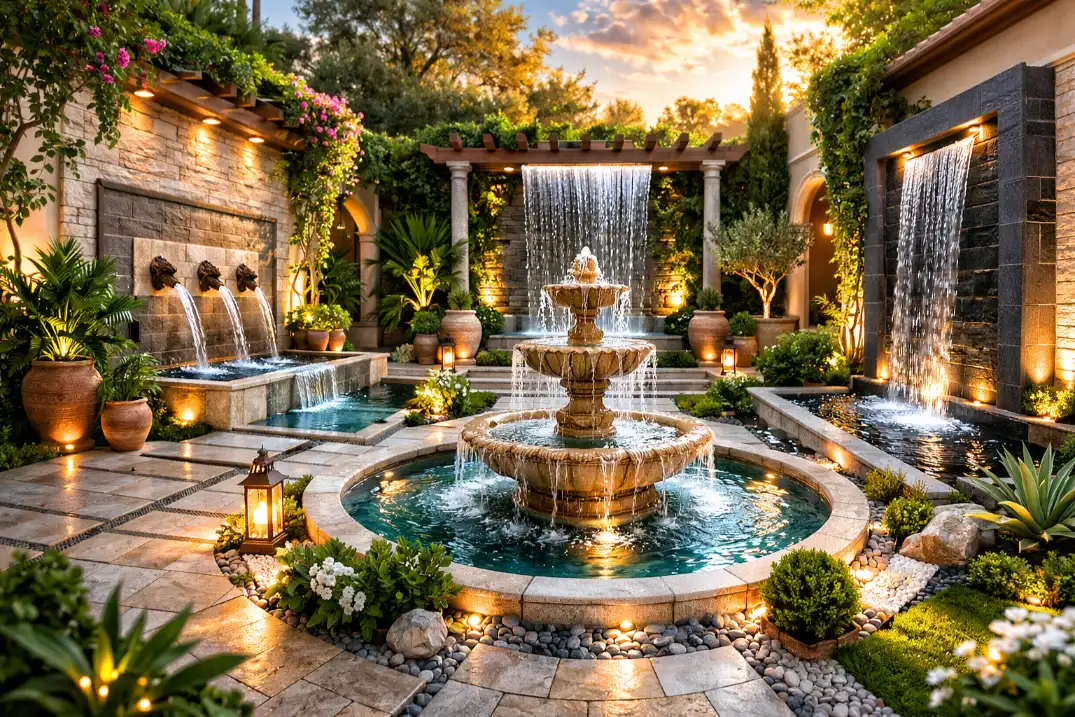
Courtyard fountains have existed for thousands of years, shaping architecture, influencing culture, and transforming outdoor spaces into tranquil environments. Across civilizations, fountains and water features have served purposes far beyond decoration. They have symbolized wealth, spirituality, cooling, community gathering, and artistic expression. From ancient Roman garden fountains to contemporary rain curtain water features, courtyard fountains evolved alongside societies and technologies. Each region brought unique materials, styles, and meanings to water fountains, creating a diverse global heritage of water design. Understanding the cultural evolution of courtyard fountains reveals how architecture, climate, religion, and social customs influenced the development of outdoor water fountains, wall fountains, and even modern indoor fountains. Let’s explore how courtyard fountains evolved across regions and centuries.

Ancient Origins: The Birth of Courtyard Water Fountains

The earliest courtyard water fountains appeared in ancient civilizations where water represented life, abundance, and status.

Mesopotamia and Early Hydraulic Innovation

Ancient Mesopotamia introduced some of the earliest engineered water features. Palaces and temples used flowing water to demonstrate control over nature and technological sophistication. Water channels, pools, and primitive garden fountains were integrated into palace courtyards to cool the air and create peaceful atmospheres. These early installations laid the foundation for the architectural use of outdoor fountains as both functional and aesthetic elements.

Ancient Egypt: Sacred Water in Courtyards

In Egypt, water carried strong spiritual meaning. Temple complexes incorporated pools and flowing water systems within courtyards. While many features were still pools rather than pressurized fountains, they influenced later outdoor water fountains and garden fountains seen in Mediterranean cultures. The presence of water symbolized purity and divine presence.

Classical Greece and Rome: The Golden Age of Garden Fountains

The most significant cultural development of courtyard fountains occurred in ancient Greece and Rome.

Greek Courtyards and Decorative Water Features

Greek homes often included interior courtyards known as peristyles. These spaces featured small water fountains, statues, and shaded gardens. The Greeks believed flowing water created harmony and balance in architecture. Their use of carved stone basins and sculptural garden fountains inspired later Roman innovations.

Roman Engineering and the Rise of Outdoor Water Fountains

The Romans revolutionized the development of outdoor fountains through advanced aqueduct systems. With a constant supply of water flowing into cities, fountains became central architectural features in homes and public spaces. Roman courtyards featured elaborate garden fountains, including:
  • Sculpted basins
  • Tiered water fountains
  • Decorative statues with flowing water
  • Wall-mounted wall fountains
These water features served as status symbols, demonstrating wealth and access to clean water. Roman courtyard design strongly influenced modern outdoor water fountains seen today.

Islamic Gardens: Courtyard Fountains as Spiritual Design

Islamic architecture elevated courtyard water fountains into spiritual and philosophical symbols.

The Role of Water in Islamic Culture

In Islamic tradition, water represents purification, life, and paradise. As a result, mosques, palaces, and homes often included central courtyards featuring garden fountains or reflective pools. The famous Alhambra palace in Spain showcases intricate water features designed to evoke the tranquility of paradise.

Symmetry and Flow

Islamic courtyard design emphasized symmetry and harmony. Central outdoor water fountains anchored gardens divided into geometric patterns known as chahar bagh. Water channels connected fountains across the courtyard, guiding movement and cooling the environment. These innovations influenced modern wall fountains, floor fountains, and contemporary outdoor water fountains.

European Renaissance: Artistic Expression Through Fountains

During the Renaissance, fountains became grand artistic statements.

Italian Courtyard Fountains

Italian villas integrated dramatic garden fountains within courtyards and terraces. Designers combined sculpture, engineering, and landscape design to create elaborate water fountains. Common features included: Many Renaissance water features were inspired by Roman mythology and classical architecture.

French Formal Gardens

French palace gardens elevated fountains to monumental scale. Versailles famously incorporated hundreds of outdoor water fountains across its grounds. These fountains symbolized royal power and technological mastery. Even today, French design influences modern luxury garden fountains and outdoor water fountains.

Asian Traditions: Minimalism and Harmony

While European fountains emphasized grandeur, Asian cultures focused on harmony and subtle beauty.

Chinese Courtyard Water Features

Traditional Chinese courtyard homes included ponds, gentle water fountains, and stone basins. Water was believed to balance energy, following the principles of Feng Shui. These water features enhanced tranquility while symbolizing prosperity.

Japanese Zen Gardens

Japanese gardens used water differently from Western traditions. Instead of elaborate outdoor fountains, designers favored subtle elements such as bamboo water fountains and quiet streams. In modern interpretations, minimalist indoor fountains and tabletop fountains reflect this philosophy.

Industrial Revolution: New Materials and Designs

The Industrial Revolution introduced technological advancements that transformed water fountains.

Cast Iron and Mechanized Pumps

New materials like cast iron allowed mass production of decorative garden fountains. Mechanical pumps enabled fountains to operate independently of natural water sources. This innovation made outdoor water fountains accessible beyond palaces and estates. Public parks, city squares, and private homes began installing fountains.

Rise of Urban Water Features

Cities began incorporating large water features to beautify public spaces. Municipal outdoor fountains became landmarks and social gathering points. These developments set the stage for modern fountain design.

Modern Courtyard Fountains: Innovation and Design Diversity

The Cultural Evolution of Courtyard Fountains Across Regions Today’s fountains combine centuries of cultural inspiration with advanced technology. Designers now create diverse fountain styles suitable for homes, gardens, and indoor spaces.

Contemporary Outdoor Water Fountains

Modern outdoor fountains emphasize simplicity and architectural integration. Popular types include:
  • Stone garden fountains
  • Stainless steel water fountains
  • Sculptural water features
  • LED-lit outdoor water fountains
These designs often echo classical courtyard traditions while using modern materials.

The Rise of Indoor Fountains

Indoor Water Fountains

Modern homes frequently incorporate indoor fountains to introduce calming sounds and natural ambiance. These installations range from decorative wall fountains to sculptural floor fountains placed in entryways or living rooms. Indoor fountains offer benefits such as:
  • Relaxation through soothing water sounds
  • Improved indoor atmosphere
  • Elegant interior design accents

Tabletop Fountains

For smaller spaces, tabletop fountains provide compact water features suitable for desks, offices, and meditation rooms. Their portability and affordability make them popular decorative elements.

Architectural Wall Fountains and Vertical Designs

Vertical fountain designs have become increasingly popular in contemporary architecture.

Wall Fountains

Modern wall fountains save space while delivering dramatic visual impact. They are commonly used in courtyards, patios, and indoor living spaces. Materials range from natural stone to glass panels and metal surfaces.

Rain Curtain Water Features

One of the most innovative fountain styles is the rain curtain fountain. This design creates vertical streams of water falling like rainfall from overhead panels. These installations are widely used in hotels, corporate spaces, and luxury residences. A rain curtain water feature combines architecture, lighting, and water movement to create immersive visual effects.

Floor Fountains and Interactive Designs

Another modern trend involves floor fountains integrated directly into pavement or courtyard surfaces. These fountains produce jets of water emerging from the ground. They are common in:
  • Public plazas
  • Hotel courtyards
  • Entertainment districts
  • Contemporary garden spaces
Children and visitors often interact with these playful water fountains, making them popular in urban design.

Courtyard Fountains as Cultural Storytelling

Across centuries, fountains reflected the values and aesthetics of each culture. Courtyard water features symbolize:
  • Life and prosperity in ancient civilizations
  • Spiritual purity in Islamic design
  • Artistic achievement in Renaissance Europe
  • Harmony with nature in Asian traditions
  • Innovation in modern architecture
Today’s garden fountains, indoor fountains, and rain curtain water features carry echoes of these historical influences. By blending technology with tradition, designers continue evolving the art of water fountains.

The Future of Courtyard Fountains

As sustainability becomes more important, modern fountains incorporate eco-friendly innovations. These include:
  • Recirculating water systems
  • Solar-powered pumps
  • Smart fountain controls
  • Energy-efficient lighting
Architects are also integrating water features into green buildings and wellness-focused environments. From compact tabletop fountains to dramatic floor fountains, the future of courtyard fountains promises creativity, sustainability, and continued cultural inspiration.

FAQs:

Courtyard fountains serve multiple purposes, including cooling outdoor spaces, creating relaxing soundscapes, and enhancing architectural design. Throughout history, water fountains also symbolized wealth, spirituality, and harmony with nature.
Popular modern styles include garden fountains, wall fountains, floor fountains, and innovative designs like the rain curtain fountain or rain curtain water feature. These water features blend traditional aesthetics with contemporary technology.
Yes. Many homes incorporate indoor fountains, including tabletop fountains, wall fountains, and decorative floor fountains. These installations provide calming water sounds while adding elegant interior design elements.
SPRING SALE: 10% OFF ALL PRODUCTS
Use Code: MAY10 | Ends MAY 31