...
446.1.Microclimate-Fountains

The Microclimate Effect: How Fountains Subtly Change Outdoor Comfort

Outdoor spaces are often designed with aesthetics in mind, beautiful landscaping, elegant seating areas, and thoughtfully placed lighting. Yet one design element quietly influences the way an environment actually feels: fountains.

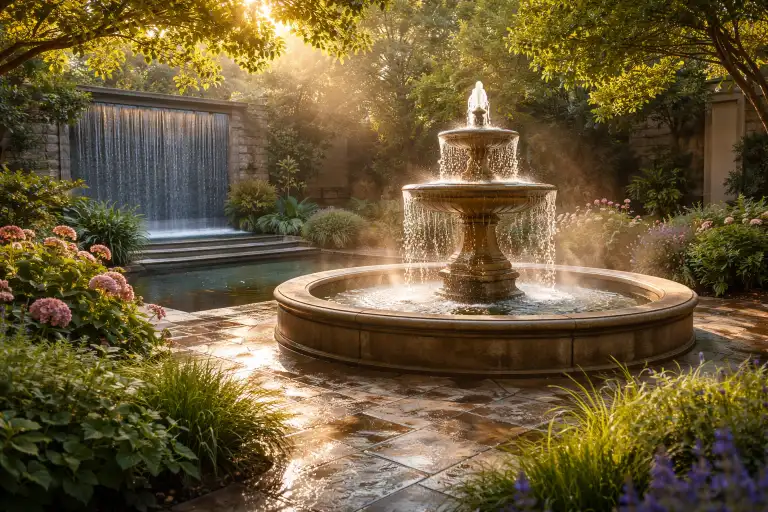
Whether they appear as elegant garden fountains, modern wall fountains, or dramatic rain curtain water features, these flowing elements do much more than decorate a space. They create subtle environmental changes that shape comfort, temperature perception, humidity levels, and even sound.

Designers and landscape architects often refer to this phenomenon as the microclimate effect. A microclimate is a localized atmospheric condition that differs from the surrounding environment. And surprisingly, water fountains can play a meaningful role in shaping these localized conditions.

In courtyards, patios, hospitality terraces, and residential gardens, outdoor water fountains help moderate heat, soften noise, and encourage people to linger longer. Even smaller tabletop fountains or indoor fountains can produce subtle versions of the same effect.

Understanding how fountains influence microclimates helps explain why civilizations, from Roman villas to modern resorts, have long embraced water as a central design feature.

Let’s explore how fountains quietly transform outdoor comfort.

Understanding the Microclimate Around Fountains

A microclimate is a small-scale atmospheric zone where conditions differ from the surrounding area. These differences might include:

  • Temperature
  • Humidity
  • Air movement
  • Sound environment
  • Psychological comfort

Large urban parks, shaded gardens, and waterfront areas often develop their own microclimates. But interestingly, water features, including outdoor fountains, can also generate localized comfort zones.

When water flows, splashes, or evaporates, it interacts with the surrounding air. This interaction creates small environmental changes that can make an outdoor space feel cooler and more relaxing.

Even modest garden fountains contribute to this effect by introducing movement, moisture, and sound into the environment.

Evaporative Cooling: Nature’s Subtle Air Conditioner

One of the most important ways outdoor water fountains affect comfort is through evaporative cooling.

When water evaporates, it absorbs heat energy from the surrounding air. This natural process reduces nearby air temperature slightly. While the cooling effect may only be a few degrees, human perception of comfort can change significantly.

In warm climates, this subtle temperature drop becomes noticeable when combined with shade and airflow.

For example:

  • A courtyard with a floor fountain may feel cooler than a paved courtyard without water.
  • A patio with garden fountains often becomes a preferred gathering area during warm afternoons.
  • Hospitality spaces frequently incorporate rain curtain fountains near entrances to create an immediate sensation of freshness.

Because evaporation happens continuously as water moves, outdoor fountains help maintain this cooling effect throughout the day.

Humidity Balance and Air Comfort

In many dry climates, outdoor air can feel harsh or dehydrating. Flowing water helps gently rebalance humidity levels in a small area.

As water evaporates from water fountains, moisture enters the surrounding air. This process slightly raises humidity levels, making the environment feel less dry.

This is particularly beneficial in:

  • Desert environments
  • Urban areas with extensive concrete surfaces
  • Rooftop terraces
  • Landscaped courtyards

The effect can be amplified with larger water features, such as:

  • Rain curtain water features
  • Multi-tiered garden fountains
  • Large basin outdoor fountains

Even indoors, the same principle applies. Indoor water fountains and tabletop fountains are often used to gently increase humidity levels, improving comfort in air-conditioned spaces.

Sound: The Psychological Layer of Microclimate

Comfort isn’t only physical. Our perception of an environment is strongly influenced by sound.

Flowing water produces a natural acoustic layer that designers call sound masking. The soft, consistent sound generated by water fountains can reduce the perception of disruptive noise from:

  • Traffic
  • HVAC systems
  • Conversations
  • Urban activity

This effect explains why garden fountains are commonly placed in meditation gardens, hotel courtyards, and spa environments.

The sound of water works on a psychological level, encouraging relaxation and reducing stress. Even compact tabletop fountains can create this calming background noise indoors.

Air Movement and Circulation

Flowing water naturally encourages small air movements around the fountain area.

When water splashes or cascades, it disrupts still air and helps circulate the surrounding atmosphere. While the airflow is subtle, it contributes to a fresher feeling environment.

This is one reason rain curtain fountains are often used in architectural design. The vertical sheet of water creates continuous movement, interacting with air currents and enhancing perceived freshness.

Similarly, wall fountains mounted along shaded patios help circulate air close to seating areas.

Combined with evaporative cooling, this slight air movement amplifies the overall comfort of the space.

How Outdoor Fountains Transform Landscape Design

Landscape designers frequently place outdoor fountains strategically to maximize microclimate benefits.

A fountain becomes more than a visual centerpiece, it becomes an environmental anchor.

Typical placements include:

Entry Courtyards

Hotels and resorts often install rain curtain water features or large outdoor water fountains near entrances. Guests experience a cooling sensation immediately upon arrival.

Garden Seating Areas

In residential landscapes, garden fountains are positioned near benches or patios where people relax.

Poolside Spaces

A floor fountain or modern water feature can complement pool areas while helping maintain comfortable airflow.

Urban Plazas

Public spaces often incorporate large water features to soften the harsh heat of paved environments.

By thoughtfully positioning fountains, designers shape both the visual and physical atmosphere of outdoor spaces.

The Role of Materials and Fountain Design

The microclimate influence of fountains depends partly on their design. Certain fountain styles maximize evaporation, airflow, and sound.

Tiered Garden Fountains

Traditional garden fountains with multiple tiers increase water movement and splashing, which enhances evaporative cooling.

Rain Curtain Water Features

A rain curtain fountain produces thousands of tiny droplets as water falls vertically. This design dramatically increases surface area, improving cooling and humidity balance.

Wall Fountains

Wall fountains are excellent for smaller spaces where designers want gentle cooling and sound without taking up floor area.

Floor Fountains

Modern floor fountains often integrate with architecture and can move large volumes of water, amplifying the microclimate effect.

The choice of material also influences performance. Stone, metal, and glass interact differently with sunlight and temperature, affecting the surrounding environment.

Microclimates in Indoor Spaces

Although the concept is most noticeable outdoors, indoor fountains also influence microclimates.

Inside homes, offices, and hospitality environments, indoor water fountains can help balance air conditions created by HVAC systems.

Benefits include:

  • Slight humidity improvement
  • Acoustic comfort
  • Stress reduction
  • Enhanced air perception

Smaller tabletop fountains are particularly popular in offices because they introduce gentle water movement without requiring large installations.

Meanwhile, architectural wall fountains and rain curtain water features are frequently used in hotel lobbies and wellness centers.

Why Humans Are Drawn to Water

Beyond physics and design, there is a deeper reason fountains improve comfort.

Humans have an instinctive attraction to water. Psychologists often refer to this as biophilic design, the idea that people feel calmer and more comfortable when environments incorporate natural elements.

Water features, including outdoor water fountains and garden fountains, connect people to nature in subtle ways.

Moving water triggers sensory responses:

  • Visual movement
  • Soft sound
  • Light reflection
  • Cooling sensation

Together, these signals tell the brain that the environment is safe, refreshing, and relaxing.

This is why many of the world’s most iconic spaces—from ancient courtyards to modern resorts—feature fountains as their focal point.

Fountains in Hot Climate Architecture

Throughout history, civilizations in warm climates relied heavily on fountains for environmental comfort.

Examples include:

  • Moorish palace gardens in Spain
  • Roman courtyard fountains
  • Persian paradise gardens
  • Mediterranean villas

In these spaces, water fountains were carefully placed to cool courtyards and enhance airflow.

Today, modern architects continue this tradition by incorporating rain curtain fountains, wall fountains, and contemporary outdoor fountains into climate-responsive designs.

Even in dense urban environments, fountains remain one of the simplest ways to soften heat and improve outdoor livability.

Small Fountains, Big Impact

Not every project requires a large installation.

Even small garden fountains or tabletop fountains can enhance comfort and atmosphere.

For homeowners, compact fountains offer several advantages:

  • Easy installation
  • Minimal maintenance
  • Flexible placement
  • Instant visual appeal

Placed on patios, balconies, or garden corners, these fountains introduce the same calming sensory elements found in larger water features.

Inside the home, indoor fountains provide similar benefits in living rooms, offices, or entryways.

Designing a Comfortable Fountain Space

The Microclimate Effect How Fountains Subtly Change Outdoor Comfort

To maximize the microclimate effect, designers often consider several factors when installing fountains.

Placement

Locate fountains near seating areas where people will benefit most from cooling and sound.

Shade

Combining fountains with trees or pergolas increases comfort dramatically.

Water Movement

Designs with cascading or falling water, such as rain curtain fountains, increase evaporation and sound.

Scale

The fountain should match the size of the space so the microclimate effect is noticeable.

When these elements work together, fountains become powerful tools for shaping outdoor comfort.

The Future of Microclimate Design

As cities grow warmer and urban density increases, microclimate design is becoming more important.

Architects and landscape designers are increasingly incorporating water features to mitigate heat and improve livability.

Modern outdoor water fountains, rain curtain water features, and sculptural floor fountains are now used in:

  • Green urban developments
  • Sustainable landscape projects
  • Wellness-focused architecture
  • Hospitality environments

By combining beauty with environmental benefits, fountains remain one of the most effective ways to transform how outdoor spaces feel.

Conclusion

Fountains have always captivated the human imagination, but their impact goes far beyond aesthetics.

Through evaporative cooling, humidity balance, sound masking, and subtle air movement, water fountains create localized microclimates that improve comfort and relaxation.

From classic garden fountains to modern rain curtain water features, flowing water enhances both the physical and psychological experience of a space.

Whether installed as dramatic outdoor fountains, elegant wall fountains, architectural floor fountains, or compact tabletop fountains, these timeless elements help shape environments where people naturally want to gather, linger, and unwind.

In a world increasingly focused on sustainable design and human-centered spaces, the humble fountain continues to prove its remarkable ability to transform both atmosphere and experience.

FAQs:

Yes. Outdoor water fountains create small cooling effects through evaporative cooling. As water evaporates, it absorbs heat from the surrounding air, making nearby spaces feel slightly cooler and more comfortable.
Designs with high water movement, such as rain curtain fountains, tiered garden fountains, and large floor fountains, produce stronger evaporative cooling and sound masking effects.
While indoor water fountains do not filter air directly, they can increase humidity slightly and create calming sound environments. Many people use tabletop fountains or wall fountains to improve comfort in indoor spaces.
SPRING SALE: 10% OFF ALL PRODUCTS
Use Code: SPRING10 | Ends April 30