The Philosophy of the Drip What a Fountain Teaches Us About Patience

The Philosophy of the Drip: What a Fountain Teaches Us About Patience

Introduction: When Water Becomes a Teacher

In an age driven by instant gratification, rapid communication, and the pursuit of efficiency, patience often feels like an outdated virtue. Yet, nature has always known its value. Few elements express the essence of patience as elegantly as water. And within that poetic framework, the fountain stands tall, not just as a decorative piece, but as a living metaphor for calm endurance, consistent effort, and the beauty of slow progress.

This is The Philosophy of the Drip, a journey into what fountains can teach us about patience, time, and the invisible rewards of stillness and flow.

Chapter 1: The Slow and Steady Rhythm

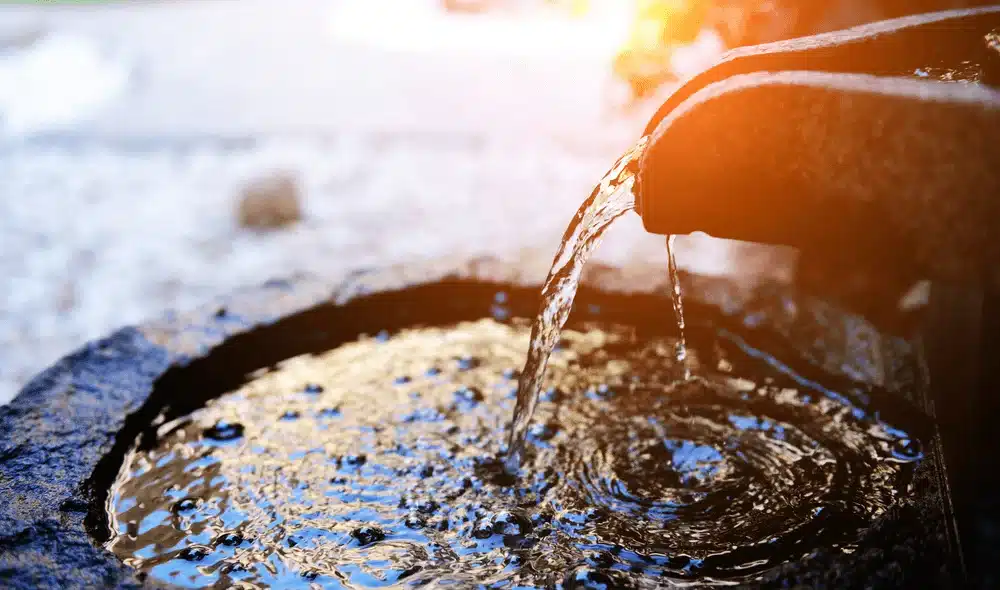
Fountains do not rush. Whether it’s the subtle plinking of droplets from a tiered basin or the meditative trickle of a wall-mounted waterfall, the motion is continuous, consistent, and calm. The fountain’s pace is deliberate—not frantic, not idle. It simply flows.

This natural rhythm is a visual and auditory reminder that movement doesn’t need to be fast to be meaningful. Patience isn’t passive stagnation—it’s active consistency. The drip that slowly carves through stone doesn’t do so with speed, but with persistence.

In our lives, embracing this rhythm means shifting from the obsession with quick results to a trust in the process. Whether it’s growing a business, nurturing a relationship, or healing from emotional wounds, sustainable change is often quiet and slow—just like a fountain.

Chapter 2: Trust in Gravity—Letting Go

Another powerful lesson the fountain teaches is trust. Water doesn’t resist gravity; it surrenders to it. It flows downward with grace, knowing that its path—though directed by an invisible force—will take it exactly where it needs to go.

In a philosophical sense, this echoes a concept found in many spiritual and mindfulness traditions: the power of surrender. Patience often requires that we relinquish control and trust in the unfolding of events, even when we don’t have a clear picture of the outcome.

A fountain doesn’t question its source or its end. It flows with what is. When we learn to “drip” instead of rush—accept instead of control—we allow life to reveal its rhythm and timing. We begin to practice active patience, where intention meets trust.

Chapter 3: The Beauty of Repetition

Fountains are repetitive by design. The cycle of water is ongoing—drawn up, let go, and drawn up again. But instead of becoming boring, the repetition becomes meditative, almost musical.

Similarly, our daily lives are full of repetition. Waking up, working, cooking, commuting. The philosophy of the drip encourages us to see the sacred in the mundane. Repetition doesn’t always mean stagnation; it can also mean progress, refinement, and grounding.

In creative work, this is especially important. Artists, writers, athletes, and entrepreneurs often find that breakthroughs come not in moments of chaotic inspiration, but in the disciplined return to the craft—again and again. Like the water returning to the top of the fountain, the beauty lies in the return, in the commitment to the process.

Chapter 4: Small Drops, Big Impact

There’s a saying: “Constant dripping hollows out a stone.” It encapsulates the powerful effect of small, repeated actions. A single drop is almost nothing. But a million drops, each falling with quiet determination, can shape the landscape.

This principle is core to both personal growth and social change. We often underestimate the power of small efforts: the kind word, the short meditation, the 10-minute daily walk. But patience is built on trusting the compound effect of tiny actions.

The fountain, without fanfare, continues its work. In time, it cools the air, calms the soul, and becomes the quiet centerpiece of any space it inhabits. The same is true for our quiet commitments. Patience isn’t about waiting—it’s about continuing.

Chapter 5: Noise as Music, Chaos as Order

A rushing waterfall might seem chaotic, but the fountain turns noise into harmony. The splash, the drip, the echo—it creates a soundtrack that soothes instead of overwhelms.

The philosophy of the drip teaches us to reframe our inner noise. The anxieties, the uncertainties, the delays—they don’t disappear with patience, but they become integrated into something larger. With perspective, even chaos has a rhythm.

When we slow down and listen, we begin to hear the subtle structure in what we once thought was disorder. Just as a fountain’s melody emerges from dozens of overlapping droplets, our lives can find beauty in complexity if we stop resisting it.

Chapter 6: Sustainability Over Spillage

Sustainability Over Spillage.

A well-designed fountain recycles its water. It doesn’t waste. It understands the value of what it contains and uses it with care.

Patience operates the same way. It isn’t about endless delay or indulgent stillness—it’s about knowing what’s necessary and conserving energy for the long haul. In today’s fast-paced world, burnout is a symptom of trying to rush what requires a gentle flow.

Fountains remind us that longevity requires sustainability. In relationships, careers, health, and even activism, the drip teaches us to conserve emotional resources, prioritize rest, and allow ourselves the grace of gradual progress.

Chapter 7: Centering and Presence

There’s a reason fountains are often found in gardens, temples, meditation centers, and public parks. They don’t just decorate; they anchor. They center us.

The very act of watching or listening to a fountain can draw us into the present moment. It reminds us that being still doesn’t mean being stuck. Movement and mindfulness can coexist. Presence is born not from frantic action but from attuned awareness.

Patience, too, is a form of presence. When we choose to wait without anxiety, to act without urgency, to stay instead of escape, we find ourselves grounded in the now. And from that center, we begin to flow—not in fear, but in freedom.

Chapter 8: The Cycle of Giving and Receiving

Every fountain is a closed loop. The water that flows out is the water that returns. This is perhaps one of the most beautiful metaphors for patience—because giving and receiving often require time.

When you give love, energy, effort, or creativity, the return might not be immediate. But if you maintain the flow—without bitterness, without forcing—the cycle completes itself. Fountains give freely and receive consistently.

In this, they teach us to detach from immediate outcomes. Patience is what allows generosity to be joyful, effort to be sustainable, and faith to remain alive. It tells us: “Keep giving, and the current will return to you.”

Chapter 9: Weathering the Seasons

Unlike mechanical clocks, fountains are also deeply in tune with the environment. Some are turned off during winter. Others shift their rhythm based on climate, light, and time.

We, too, have seasons. There are moments in life that call for movement, and others that call for rest. One of the hardest parts of patience is knowing which season you’re in and accepting it.

Fountains don’t try to bloom in the cold. They wait. They pause. They prepare. That quiet stillness is just as valuable as the exuberant flow. Patience includes the wisdom to rest when rest is needed—and to bloom when the time is right.

Chapter 10: Legacy in Drops

Finally, fountains are built to endure. They outlast trends, tech, and turmoil. Some have stood for centuries, still dripping, still whispering their lessons to whoever pauses to listen.

What makes them memorable isn’t the volume of their output, but the peace and reflection they inspire in others.

We often rush to achieve, to make noise, to go viral. But perhaps the greatest legacy is in the lives we quietly touch with our presence, our patience, and our persistent drip of kindness. Like the fountain, we can become a source—not of force, but of flow.

Conclusion: Becoming the Fountain

To embrace the philosophy of the drip is to shift from urgency to essence. It’s to find peace in progress, joy in discipline, and freedom in slowness.

Fountains don’t strive. They serve. They don’t shout. They soothe. And through their gentle constancy, they whisper truths that modern life has forgotten.

Patience isn’t a delay of life, it’s the pulse of it.

So let the fountain teach you. Let it still you. And then, let yourself flow.

FAQs:

Start small. Identify one area of your life where you’re rushing or feeling anxious about outcomes—perhaps your career or a relationship—and commit to daily, consistent effort without obsessing over speed. Let process replace pressure.
The repetitive, gentle sound of flowing water promotes relaxation and presence. Fountains naturally draw attention to the moment, helping to reduce stress and encourage reflection—making them a powerful tool for mindfulness.
That patience isn’t about passively waiting, but about purposeful persistence. Like the water that flows drop by drop, change happens through steady, continuous effort—often quiet, but deeply powerful.