...
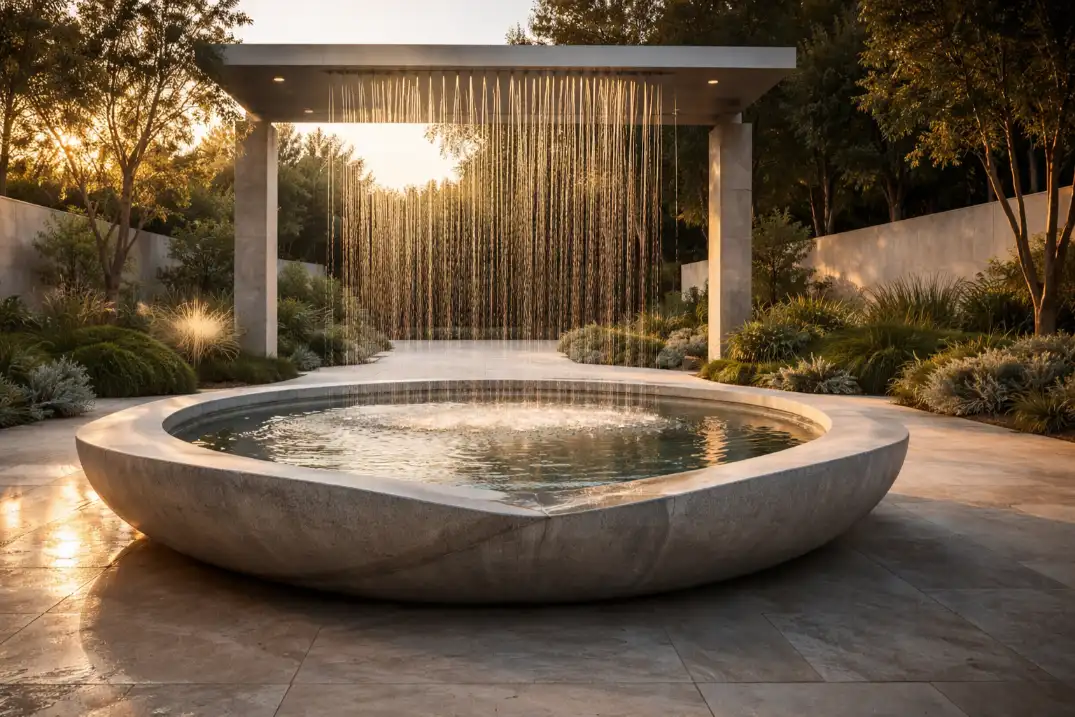
461.1.Sculptural-Basin-Fountains

The Sculptural Basin: Elevating the Foundation of a Luxury Fountain

When most people admire fountains, their attention naturally rises toward flowing water, shimmering cascades, and the rhythmic movement that defines the piece. Yet the true foundation of any remarkable fountain sits quietly beneath the waterline. The basin, often overlooked, plays a defining role in both the visual impact and functional integrity of water fountains. In luxury design, the basin becomes far more than a container. It becomes sculpture, structure, and architectural anchor all at once. A thoughtfully designed basin transforms outdoor fountains, garden fountains, and even indoor water fountains into cohesive works of art. From grand plazas to serene interiors, the sculptural basin shapes the experience of the fountain itself. Understanding this foundational element reveals why the most compelling water features begin with intentional design at the base.

The Basin: Where Art Meets Engineering

At its simplest level, a basin collects and recirculates water. Yet in high-end water fountains, the basin performs a far more sophisticated role. The basin must support water movement, integrate pumping systems, conceal mechanical elements, and visually balance the fountain above it. In luxury installations, it also becomes the visual stage that allows water to perform. A sculptural basin can:
  • Frame the movement of water
  • Reflect light and architecture
  • Define the scale of outdoor water fountains
  • Enhance the acoustic qualities of the fountain
  • Establish a focal point within the landscape or interior space
In essence, the basin provides both the physical and aesthetic foundation for the entire installation. Without it, even the most elaborate fountain design lacks presence and harmony.

Sculptural Basins as Design Statements

The Sculptural Basin Elevating the Foundation of a Luxury Fountain In contemporary luxury design, basins are increasingly treated as sculptural forms rather than simple pools. Architects and designers experiment with geometry, materials, and proportions to transform the base into a visual centerpiece. Circular basins create timeless elegance for garden fountains, while linear basins complement modern architecture and wall fountains. Some sculptural basin styles include:

Monolithic Stone Basins

Hand-carved stone basins evoke permanence and craftsmanship. These designs often anchor classical outdoor fountains within courtyards and estates.

Minimalist Reflecting Basins

Modern designs emphasize clean lines and reflective surfaces. The water becomes a mirror, amplifying the surrounding architecture.

Tiered Basin Structures

Layered basins guide water through cascading levels, creating dynamic movement and sound.

Architectural Basin Integration

In contemporary projects, basins blend seamlessly into terraces, plazas, and interiors, becoming structural elements of the building itself. In each case, the basin establishes the identity of the fountain.

How Basins Shape the Experience of Outdoor Water Fountains

For outdoor water fountains, the basin determines scale, visibility, and environmental interaction. A well-designed basin enhances the landscape rather than competing with it. It can echo garden geometry, align with pathways, or create a natural gathering space.

Creating Visual Balance

Large garden fountains require basins that match their visual weight. A towering sculptural fountain above a small basin feels disproportionate, while a generous basin grounds the structure and allows water to move gracefully.

Enhancing Water Reflection

Shallow reflective basins amplify natural light and surrounding greenery. The reflection doubles the visual impact of the fountain and adds depth to the landscape.

Supporting Water Flow

Outdoor conditions demand thoughtful engineering. Basins must manage water displacement, evaporation, and circulation while maintaining a visually calm surface. In luxury landscapes, the basin often becomes a tranquil reflecting pool that elevates the entire garden.

The Role of Basins in Indoor Water Fountains

Inside architectural spaces, basins influence both aesthetics and acoustics. Indoor water fountains rely on carefully designed basins to control splash, regulate sound, and integrate with interior design elements.

Acoustic Control

A deep or textured basin softens water sound, while a shallow reflective basin creates brighter, more energetic acoustics.

Visual Integration

Interior fountains often sit within custom stone or metal basins that complement flooring materials, lighting, and architectural lines.

Space Efficiency

Compact basins make tabletop fountains and floor fountains possible in residential or commercial environments where space remains limited. In luxury interiors, the basin often appears minimal, yet behind its simplicity lies precise engineering.

Sculptural Basins and Wall Fountains

Wall fountains depend heavily on the basin to complete their composition. Because water flows vertically along a surface, the basin becomes the horizontal counterpoint that balances the design. A carefully proportioned basin performs several key roles:
  • Catching falling water without splash
  • Creating a reflective surface beneath the wall
  • Anchoring the vertical structure visually
In modern installations, wall fountain basins often extend slightly beyond the wall width to emphasize horizontal lines. This subtle design strategy reinforces the architectural presence of the fountain.

The Basin in Rain Curtain Fountain Design

Few contemporary water features capture attention like a rain curtain fountain. In these installations, water falls in delicate strands from a hidden source above. The basin becomes essential in maintaining the illusion of floating water.

Precision Catch Basins

A narrow catch basin ensures the falling water disappears cleanly into the surface without disruptive splashing.

Reflective Surfaces

When the basin surface remains calm, it mirrors the falling strands of water, creating a mesmerizing double effect.

Integration With Architecture

Many rain curtain water feature designs integrate the basin into flooring or architectural platforms, allowing the water curtain to appear almost suspended in space. The basin, though subtle, supports the entire visual illusion.

Materials That Elevate Fountain Basins

Material selection dramatically influences the character of outdoor fountains and indoor fountains alike. High-end fountain basins often feature materials chosen for durability, visual richness, and craftsmanship.

Natural Stone

Granite, limestone, and marble create timeless basins that complement classical garden fountains.

Stainless Steel

Modern water features often rely on stainless steel basins for their sleek, reflective surfaces and structural durability.

Architectural Concrete

Concrete basins allow custom shapes and seamless integration with contemporary landscapes.

Glass and Acrylic

In certain interior installations, transparent materials enhance the visual lightness of floor fountains and modern water designs. Each material contributes to the personality of the fountain.

The Basin as a Water Mirror

One of the most compelling roles of a sculptural basin lies in its ability to transform water into a mirror. Reflective basins amplify the visual drama of outdoor water fountains by capturing sky, architecture, and landscape within the water surface. This effect serves several purposes:
  • Expanding the visual footprint of the fountain
  • Enhancing nighttime lighting reflections
  • Creating a sense of depth and tranquility
In luxury design, the basin often functions as both water reservoir and reflective artwork.

Hidden Engineering Beneath the Basin

While sculptural basins appear serene, they conceal complex systems that allow fountains to function reliably. These systems typically include:
  • Water circulation pumps
  • Filtration systems
  • Lighting fixtures
  • Structural supports
  • Overflow management
In high-end water fountains, these elements remain completely hidden from view. The basin becomes the elegant surface that disguises intricate engineering beneath it.

Sculptural Basins in Tabletop and Small-Scale Fountains

Even smaller tabletop fountains benefit from thoughtful basin design. Because the scale remains intimate, the basin often becomes the dominant visual element. Compact basins allow designers to experiment with:
  • Textured stone surfaces
  • Sculptural metal forms
  • Floating platforms for water flow
These small fountains bring the calming presence of water into offices, homes, and hospitality environments. A carefully crafted basin ensures the design feels intentional rather than decorative.

Lighting and the Sculptural Basin

Lighting transforms the basin into a dynamic stage for water. In luxury installations, underwater LED systems illuminate the basin from within, creating shimmering reflections and dramatic nighttime effects. Lighting can emphasize:
  • The texture of stone basins
  • The reflection of cascading water
  • The geometry of modern basin forms
For indoor fountains, lighting also enhances ambiance and architectural mood. The basin, once again, becomes the canvas upon which water and light perform.

Why the Basin Defines Luxury in Fountain Design

Luxury fountain design revolves around harmony between water, structure, and environment. The basin serves as the bridge connecting these elements. A sculptural basin:
  • Grounds the fountain visually
  • Controls the movement of water
  • Enhances reflection and light
  • Conceals technical systems
  • Integrates the fountain into architecture or landscape
When thoughtfully designed, the basin elevates fountains from decorative objects into architectural water sculptures. Whether supporting towering outdoor water fountains, elegant wall fountains, or modern rain curtain fountains, the basin remains the quiet foundation behind every unforgettable water feature.

FAQs:

The basin collects and recirculates water while supporting the fountain’s structure and visual composition. In luxury water fountains, the basin also enhances reflection, lighting, and the overall design.
For outdoor water fountains, the basin determines scale, stability, and water movement. It can also act as a reflective pool that enhances surrounding landscapes and garden fountains.
Yes. In a rain curtain water feature, the basin ensures falling water disappears smoothly while maintaining the clean visual effect of the curtain. Proper basin design prevents splashing and supports the illusion of floating water.
SPRING SALE: 10% OFF ALL PRODUCTS
Use Code: MAY10 | Ends MAY 31