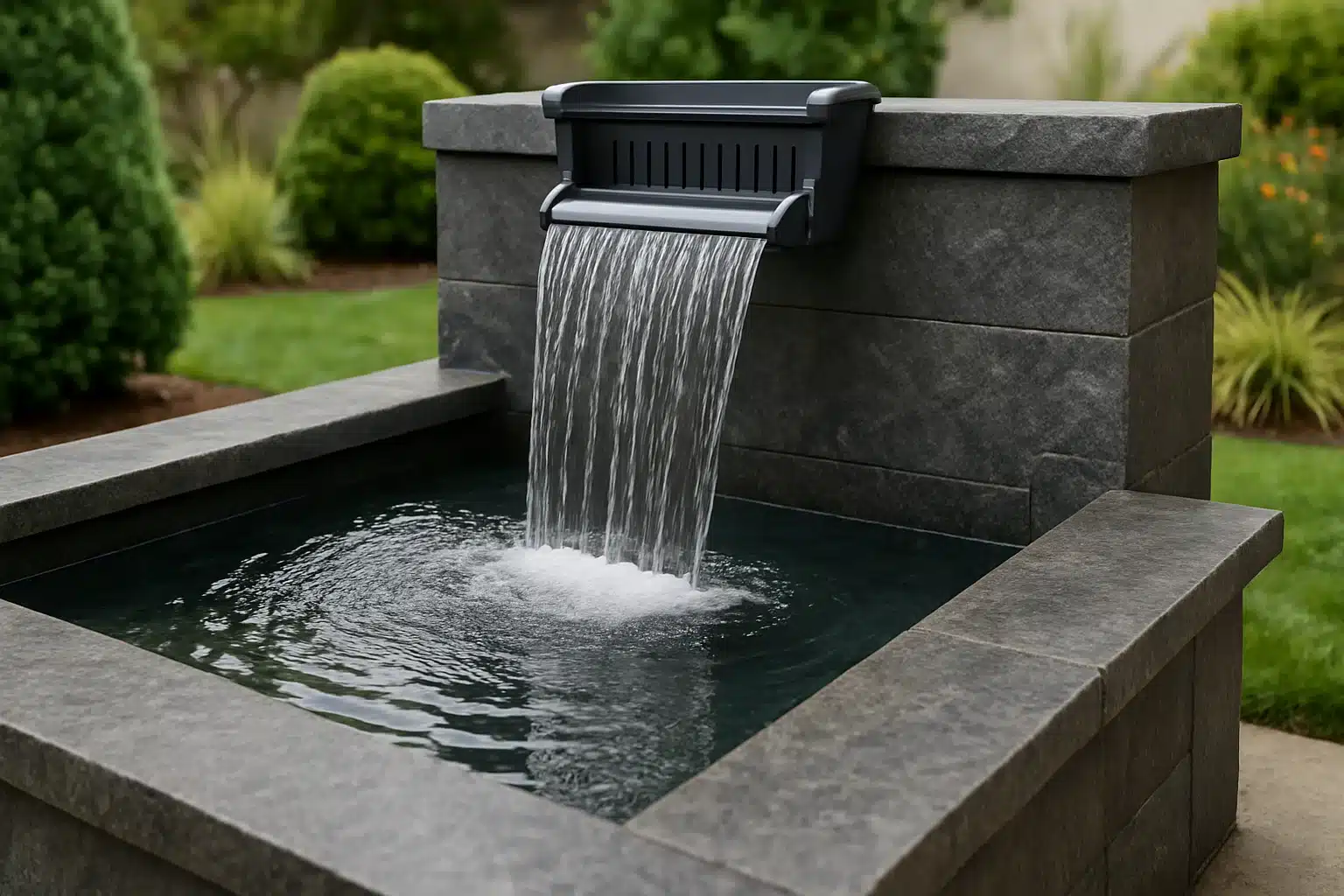
Water features, whether they are grand outdoor fountains gracing a public square or compact tabletop fountains adding calm to a home office, bring an unmatched beauty to any space. Yet behind their serene flow lies a critical question for owners and designers alike: Do you really need a fountain filter?
This ultimate guide explores everything you need to know about fountain filters, how they work, why they matter (or sometimes don’t), and how they affect different types of fountains, from rain curtain water features to classic garden fountains. We’ll also help you weigh the benefits and drawbacks so you can make an informed decision.
Why Fountain Filters Matter
At its most basic, a fountain filter removes debris, algae, and impurities from the water circulating through your fountain. Clean water not only looks better but also prolongs the life of your fountain pump and preserves the aesthetic of the water feature.
Key Benefits of Using a Fountain Filter
- Clean Water Appearance: Nobody wants murky water in their elegant wall fountains or garden fountains.
- Pump Longevity: Dirt, sand, and algae can clog pumps in outdoor water fountains, causing them to fail prematurely.
- Reduced Algae Growth: Filters can help curb the green haze that plagues indoor water fountains and floor fountains in warm, sunny environments.
- Better Air Quality: Indoor fountains without filters may develop stagnant, bacteria-laden water that can even produce odors.
When You Should Absolutely Use a Fountain Filter
Not every water feature demands the same level of filtration. Some situations virtually require a fountain filter, while others can get by without one.
Outdoor Water Fountains
Outdoor fountains, particularly garden fountains and rain curtain fountains exposed to the elements, are magnets for leaves, dust, pollen, and even small animals. A filter is essential here to keep water clear and maintain your pump’s efficiency.
Indoor Water Fountains in High Traffic Areas
Indoor water fountains installed in lobbies, waiting rooms, or retail spaces see a lot of exposure to dust and dirt tracked in by visitors. Tabletop fountains or wall fountains in such settings benefit from a filter to keep water looking fresh.
Rain Curtain Water Features
Rain curtain water features and rain curtain fountains produce delicate, silky streams of water that easily show even small amounts of debris. Filters help maintain the pristine look that makes these fountains so striking.
When a Fountain Filter May Not Be Necessary
Not all fountains need filters. In some scenarios, they’re more of a luxury than a necessity.
Small Indoor Tabletop Fountains
If you have a tabletop fountain in your bedroom or office that you refill and clean regularly, you can often skip a filter. Since these fountains hold a small volume of water and are easy to drain and wipe down, routine maintenance may suffice.
Minimalist Indoor Fountains
Certain wall fountains and floor fountains designed for minimal maintenance often use distilled or purified water. If you commit to only adding clean water and keep up regular cleaning, you may not need a filter.
Types of Filters for Fountains

Understanding the types of filters can help you pick the right one for your specific fountain.
Mechanical Filters
These physically trap particles like leaves, dust, and dirt. They are common in outdoor fountains and rain curtain water features where debris is a big concern.
Biological Filters
Often used in larger garden fountains or fountains that double as koi ponds, these encourage beneficial bacteria to keep water balanced and clear.
Chemical Filters
Not as common in standard water fountains, chemical filters can remove dissolved impurities that cause discoloration or bad smells.
Tips for Maintaining Fountain Water Without a Filter
If you opt out of installing a filter in your indoor fountains or outdoor water fountains, here are some maintenance tips to keep water in good condition:
- Use Distilled Water: Especially for indoor fountains and tabletop fountains, using distilled water reduces mineral deposits and algae.
- Regular Cleaning: Drain and clean your fountain weekly or biweekly depending on size and usage.
- Algaecides and Treatments: Safe water treatments can help control algae growth in wall fountains and floor fountains.
- Cover Outdoor Fountains: Use a cover when not in use to protect from debris and reduce cleaning frequency.
Special Considerations for Specific Fountain Types
Rain Curtain Fountains and Rain Curtain Water Features
These stunning designs require clean water to maintain the even, uninterrupted streams that define their appeal. Even tiny particles can disrupt the flow. A mechanical or fine mesh filter is highly recommended here.
Wall Fountains
Wall fountains installed indoors often sit at eye level, making any debris or algae buildup more noticeable. A small, hidden filter can go a long way toward preserving their sleek appearance.
Floor Fountains
Large indoor floor fountains or lobby fountains have more water and surface area. They attract dust and airborne particles, so filtration helps maintain both appearance and air quality.
Garden Fountains
Exposed to the full force of nature, garden fountains pick up leaves, insects, and soil. A filter is almost always worth the investment.
Pros and Cons of Using a Fountain Filter
Pros
Clearer, healthier water
Longer pump lifespan
Reduced maintenance frequency
Enhanced aesthetic and air quality
Cons
Additional upfront cost
Requires periodic cleaning/replacement
May slightly reduce flow rate if improperly sized
Do You Really Need One?
Ultimately, whether you need a fountain filter depends on your specific fountain type, its location, and how much maintenance you’re willing to perform.
- Outdoor fountains and garden fountains? Yes, almost always.
- Rain curtain fountains or rain curtain water features? Definitely.
- Indoor water fountains or wall fountains in dusty areas? Recommended.
- Small tabletop fountains? Optional if cleaned often.
Weighing the modest cost of a filter against the time saved on maintenance and the improved appearance makes it an easy choice for many fountain owners.
Key Points
- Fountains and filters go hand-in-hand when it comes to water quality and pump longevity.
- Outdoor water fountains and garden fountains need filters due to environmental debris.
- Indoor water fountains and wall fountains benefit from filters in high-traffic or dusty spaces.
- Tabletop fountains and indoor fountains with regular cleaning may not require filters.
- Rain curtain water features and rain curtain fountains absolutely require clean water and benefit greatly from filters.
- Floor fountains and lobby fountains maintain their appeal longer with effective filtration.