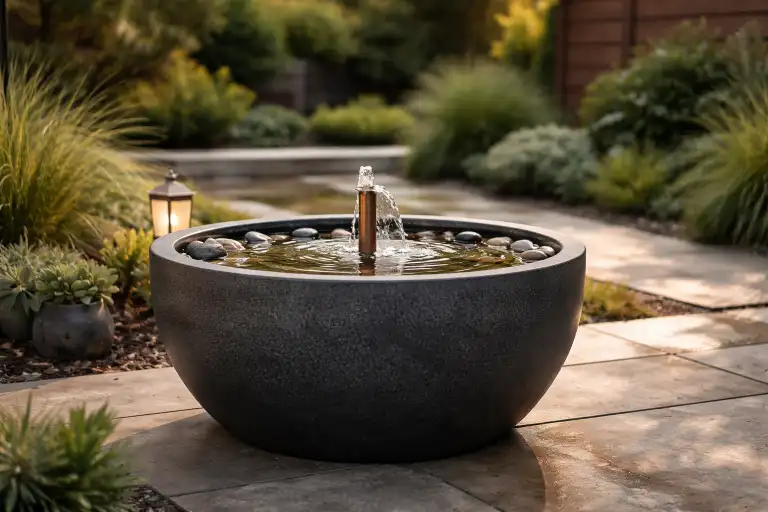
...
449.1.Old-Planter-Fountain

Turning an Old Planter into a Contemporary Fountain Feature

Garden spaces evolve over time. Planters crack, designs age, and decorative pieces that once felt perfect may eventually lose their appeal. Yet many of those forgotten items still hold incredible potential. One of the most creative ways to reuse an old planter is by transforming it into a contemporary fountain feature that adds movement, sound, and modern design to your space.

Today, homeowners and landscape designers increasingly integrate water fountains, garden fountains, and other water features to bring life and tranquility to outdoor environments. The soothing sound of moving water not only enhances the atmosphere but also turns an ordinary yard or patio into a peaceful retreat.

If you have an unused planter sitting in a corner of your yard, garage, or storage shed, you already have the foundation for a beautiful outdoor fountain. With the right pump, a few design elements, and some creativity, you can create a stylish centerpiece that rivals professionally installed outdoor water fountains.

In this guide, we’ll explore how to turn an old planter into a contemporary fountain, why these water features are so popular in modern landscapes, and how the same principles apply to indoor fountains, tabletop fountains, wall fountains, and even a dramatic rain curtain water feature.

Why Water Fountains Transform Any Space

Water has always played a central role in architecture and landscape design. From ancient Roman courtyards to modern luxury homes, fountains create visual interest and sensory balance.

Here are a few reasons why water fountains remain one of the most desirable garden water features:

1. The Sound of Relaxation

One of the biggest benefits of water fountains is the calming sound they produce. Flowing water masks noise from traffic, neighbors, or city environments. Even a small tabletop fountain can soften the mood in a room.

Outdoor environments benefit even more. Outdoor water fountains create a relaxing backdrop for patios, decks, and garden seating areas.

2. Instant Visual Movement

Static landscapes can feel flat. Water adds movement and life. The reflection of sunlight on flowing water enhances depth and texture within a garden.

Whether it’s a simple planter fountain or an elegant wall fountain, water constantly reshapes the visual experience.

3. Increased Property Appeal

Modern homebuyers and landscape designers often prioritize water features. Stylish garden fountains and contemporary floor fountains can significantly elevate a property’s aesthetic value.

Even a small DIY project can produce a focal point that looks professionally designed.

4. Versatility in Design

From minimalist modern styles to natural stone designs, water fountains come in countless forms. A repurposed planter can become:

  • A modern bubbling fountain
  • A tiered garden water feature
  • A sleek contemporary floor fountain
  • A decorative tabletop fountain for indoor spaces

The design possibilities are nearly endless.

Choosing the Right Planter for Your Fountain

Not every planter works equally well as a fountain base. The container must hold water safely while supporting a pump and decorative elements.

Here are the best types of planters to repurpose:

Ceramic Planters

Large ceramic pots are excellent for garden fountains. Their glazed interiors help retain water and resist leaks.

Stone or Concrete Planters

These planters create a strong architectural look that fits modern outdoor fountains beautifully. They also hold up well in changing weather.

Metal Containers

Galvanized steel planters or bowls can produce striking contemporary water fountains with industrial appeal.

Large Decorative Bowls

Shallow bowls work well for bubbling fountains and tabletop fountains when placed on a pedestal or stand.

Avoid thin plastic planters, as they often warp or crack when holding water long-term.

Essential Components for a DIY Planter Fountain

Turning a planter into a working fountain requires only a few simple components.

Submersible Fountain Pump

The pump is the heart of any water fountain. It circulates water continuously through the fountain structure. Choose a pump with adjustable flow to control the water movement.

Fountain Tubing

Flexible tubing connects the pump to the fountain outlet.

Decorative Fountain Element

This could include:

  • A copper pipe
  • A sculptural nozzle
  • A stacked stone feature
  • A bubbler fountain head

River Stones or Decorative Gravel

These hide the pump and tubing while creating a natural appearance.

Waterproof Sealant (Optional)

If the planter has cracks or porous surfaces, sealing the interior ensures water retention.

Step-by-Step: Turning a Planter into a Contemporary Fountain

Step 1: Clean the Planter

Before starting your fountain project, thoroughly clean the planter. Remove soil, debris, and old roots. Wash the container with mild soap and rinse it completely.

This step ensures the water remains clear and prevents contamination in your garden fountain.

Step 2: Seal the Container

If your planter is porous or slightly cracked, apply a waterproof sealant inside. This step prevents leaks and ensures your outdoor fountain remains durable over time.

Allow the sealant to dry fully before moving to the next step.

Step 3: Install the Pump

Place the submersible pump at the bottom of the planter. Run the power cord out through the back or side of the container.

Modern fountain pumps are energy efficient and quiet, making them ideal for both indoor fountains and outdoor water fountains.

Step 4: Connect the Tubing

Attach the tubing to the pump outlet. The tubing carries water upward to the fountain element.

You can create different fountain styles depending on how the tubing is positioned.

Step 5: Add the Fountain Feature

Now comes the design element that defines your fountain.

Common options include:

  • A copper pipe bubbling fountain
  • A stacked stone column
  • A decorative sculpture with hidden tubing
  • A modern geometric outlet

This step transforms a simple planter into a striking water feature.

Step 6: Hide the Pump with Stones

Cover the pump with river rocks or decorative gravel. This hides the mechanical components while creating a natural base for the fountain.

The stones also help stabilize the tubing.

Step 7: Fill with Water and Test

Add water until the pump is fully submerged. Turn the pump on and adjust the flow until you achieve the desired fountain effect.

Congratulations, you now have a custom garden fountain built from a recycled planter.

Contemporary Design Ideas for Planter Fountains

Minimalist Stone Fountain

Use smooth river rocks and a simple vertical pipe to create a calm bubbling fountain. This design fits beautifully into modern landscapes and zen gardens.

Tiered Planter Fountain

Stack two or three planters to create a cascading fountain. Water flows from the top planter into the lower basin, producing a dynamic outdoor water fountain.

Modern Bowl Fountain

A wide ceramic bowl creates a sleek reflecting pool with a bubbling center. This style resembles high-end floor fountains often seen in luxury homes.

Copper Spill Fountain

Copper tubing adds warmth and contemporary elegance to your garden fountain. Over time, the copper develops a beautiful patina.

Illuminated Fountain Feature

Add waterproof LED lights to the base of your fountain.

At night, the moving water reflects light beautifully, transforming your fountain into a glowing centerpiece.

Indoor Adaptations: Turning Planters into Indoor Fountains

The same technique used for outdoor fountains works beautifully indoors.

Small planters can become elegant indoor water fountains for living rooms, offices, and entryways.

Tabletop Fountain Designs

A small planter can easily become a tabletop fountain. These compact fountains are perfect for desks, meditation rooms, or coffee tables.

The gentle sound of water helps create a relaxing environment.

Floor Fountain Concepts

Larger containers can transform into stylish floor fountains.

Placed near a window or in an entryway, these fountains act as modern art pieces while providing soothing sound.

Wall Fountain Variations

Mounting a planter basin against a vertical surface allows you to create simple wall fountains. Water flows down a textured panel or stone slab into the basin below.

Expanding the Concept: Rain Curtain Water Features

Turning an Old Planter into a Contemporary Fountain Feature

If you enjoy modern architectural fountains, you may want to explore a more dramatic concept: the rain curtain fountain.

A rain curtain water feature produces a continuous sheet of falling water, creating a stunning visual wall.

While more complex than a planter fountain, the basic principle remains the same: a pump circulates water from a reservoir through a controlled outlet.

Many modern homes incorporate rain curtain fountains as:

  • Patio centerpieces
  • Entryway water features
  • Indoor architectural elements

Your planter fountain project can serve as the perfect introduction to designing larger water features.

Maintenance Tips for DIY Water Fountains

Proper maintenance ensures your water fountain stays clean and beautiful.
 

Keep the Pump Clean

Debris can clog the pump intake. Check the pump every few weeks and remove leaves or buildup.

Refill Water Regularly

Water evaporates naturally, especially in outdoor fountains. Keep the pump submerged to prevent damage.

Prevent Algae Growth

Adding fountain-safe treatments helps prevent algae. You can also place fountains in partial shade to reduce algae growth.

Seasonal Care

In colder climates, drain outdoor water fountains before freezing temperatures arrive. Indoor fountains require less seasonal maintenance but should still be cleaned periodically.

Why Repurposed Fountains Are Growing in Popularity

Sustainability and creative design go hand in hand. Repurposing containers into garden fountains reduces waste while adding unique character to outdoor spaces.

Homeowners love the idea of turning everyday objects into beautiful water features.

Additionally, DIY projects allow people to customize their fountains in ways that store-bought designs cannot match.

From rustic stone fountains to sleek modern installations, repurposed water fountains combine creativity, sustainability, and artistic expression.

Final Thoughts

Transforming an old planter into a contemporary fountain feature is one of the easiest and most rewarding DIY landscaping projects.

With just a few materials and a little creativity, you can create stunning outdoor water fountains that enhance your garden, patio, or indoor living space.

These simple projects bring the relaxing sound of flowing water into everyday environments while adding beauty and visual movement to your surroundings.

Whether you’re designing small tabletop fountains, elegant wall fountains, modern floor fountains, or even experimenting with a dramatic rain curtain water feature, the principles remain the same.

Water, movement, and thoughtful design can turn the simplest container into a captivating centerpiece.

And sometimes, the most beautiful garden fountains begin with something as simple as an old planter waiting for a second life.

FAQs:

Most sturdy planters made of ceramic, stone, concrete, or metal can be converted into water fountains. The container must hold water securely and have enough space for a small submersible pump.

A basic DIY planter fountain usually costs between $30 and $100 depending on the pump, tubing, and decorative materials used.

Yes. Smaller versions work perfectly as indoor water fountains or tabletop fountains, adding soothing sound and decorative appeal to living spaces.

SPRING SALE: 10% OFF ALL PRODUCTS
Use Code: SPRING10 | Ends April 30