Introduction
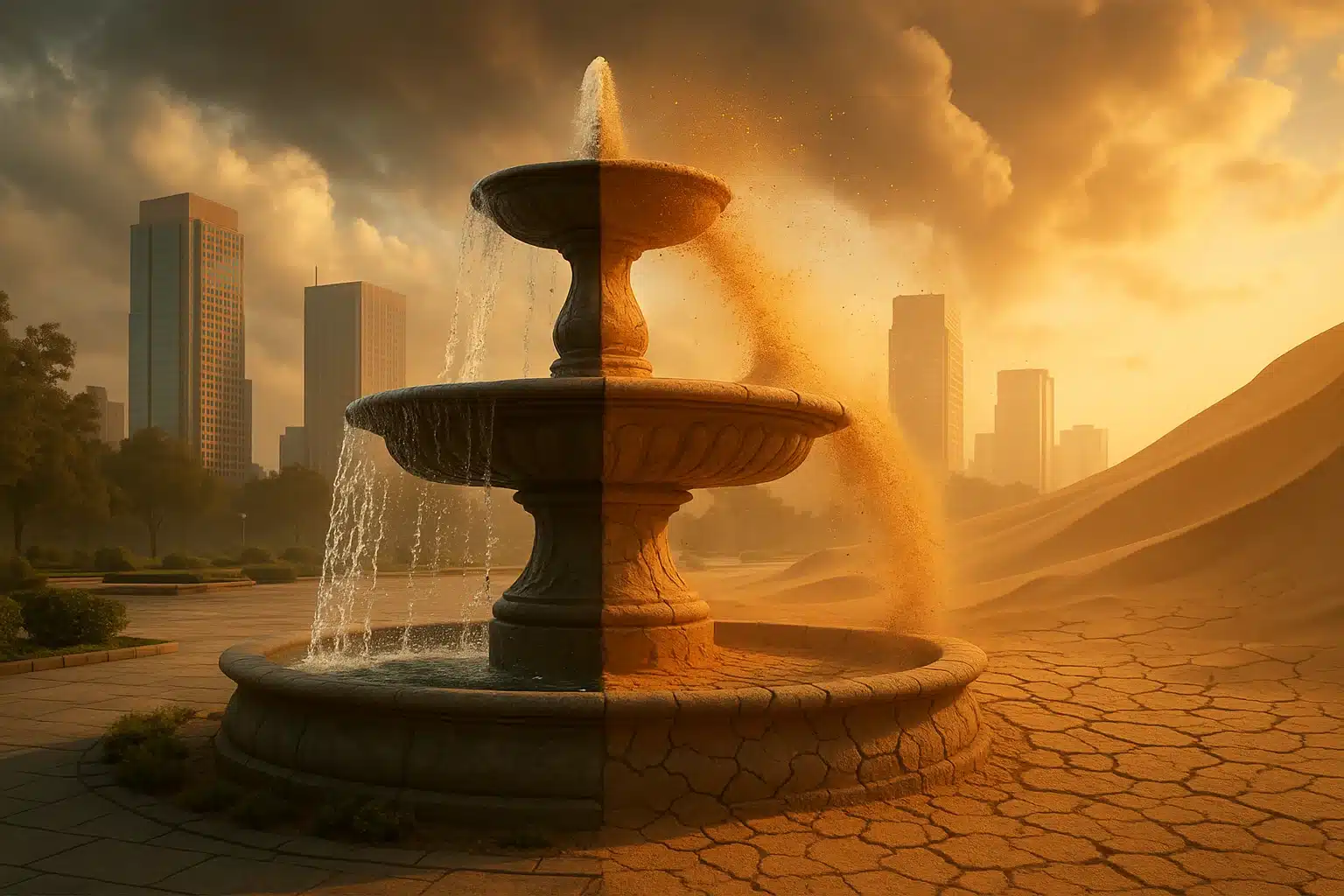
Fountains have long symbolized beauty, luxury, and tranquility. From grand outdoor fountains in public squares to tabletop fountains in cozy homes, these water features bring both aesthetic and emotional value. Yet, in times of drought or during heated debates about water rights, one pressing question emerges: can your city actually ban fountains?
The debate over water rights and fountains is more than just about aesthetics, it’s a legal, environmental, and cultural issue. With climate change intensifying droughts and local governments taking measures to conserve water, many homeowners and businesses are left wondering whether their garden fountains, indoor fountains, or wall fountains could be prohibited.
This in-depth article (over 2000 words) will explore the legality of fountain bans, how water rights factor into the conversation, and what alternatives exist for those who still want the soothing sounds of flowing water.
Understanding Water Rights
What Are Water Rights?
Water rights determine who can use water, how much, and for what purpose. These laws vary widely depending on the region, but generally fall into two main categories:
- Riparian Rights – Common in the eastern U.S., riparian rights grant water access to landowners whose property borders natural water sources such as rivers or lakes.
- Prior Appropriation Rights – Common in the western U.S., this doctrine is based on “first in time, first in right,” meaning those who first claimed and used the water have priority.
These laws extend not only to agricultural and industrial use but also to seemingly minor water uses, like fountains and outdoor water features.
Why Water Rights Matter for Fountains
In regions with water scarcity, outdoor water fountains are often viewed as non-essential uses of water. Cities may restrict or ban them during droughts, citing the need to prioritize drinking water, irrigation, and fire suppression. For homeowners, this raises the question: if they have legal water rights, can cities still restrict decorative uses like floor fountains or rain curtain water features?
Can Cities Ban Fountains?
Municipal Authority
Yes, cities and municipalities often have the authority to regulate or ban certain uses of water, especially during times of drought. These regulations usually stem from emergency drought ordinances or water conservation policies.
For example:
- In California, many municipalities banned the operation of outdoor fountains unless the water was recirculated.
- In Las Vegas, strict water conservation laws regulate ornamental water features, with exceptions for certain large-scale attractions that use recycled water.
Outdoor vs. Indoor Fountains
Outdoor fountains are the most likely to be banned because they are often larger, use more water, and face higher evaporation rates.
Indoor water fountains, tabletop fountains, and wall fountains are typically not restricted because they use much less water, pose no evaporation concerns, and often recycle water.
Public vs. Private Use
Public fountains in city parks and squares may be shut off to set an example and conserve water.
Private garden fountains can be restricted through fines or enforcement if local water restrictions are in place.
In short: Yes, your city can ban fountains, especially outdoor ones, under its emergency water conservation authority.
Water Fountains and Conservation
Are Fountains Wasteful?
A common misconception is that all fountains waste large amounts of water. However, many modern water features use recirculating pump systems that recycle the same water over and over. In fact, when properly maintained, a garden fountain may use less water than a patch of grass of the same size.
Evaporation and Efficiency
- Outdoor fountains in hot, dry climates can lose significant water to evaporation.
- Rain curtain fountains and floor fountains are particularly prone to evaporation since the water spreads thinly over a surface.
- Indoor fountains avoid this issue and therefore are rarely targeted by conservation bans.
How to Conserve While Enjoying Fountains
- Install a recirculating pump system.
- Cover outdoor fountains during extreme heat to minimize evaporation.
- Use fountains seasonally, reducing operation during the driest months.
- Collect rainwater for use in garden fountains or rain curtain water features.
The Legal Debate: Rights vs. Restrictions
Property Rights vs. Community Responsibility
At the core of the issue is a legal and ethical debate:
Property owners argue that as long as they pay for their water and use it responsibly, they should be free to maintain outdoor fountains or indoor water features.
Cities and communities argue that during drought emergencies, non-essential water uses must be curtailed to protect the public good.
Courts have generally sided with municipalities when restrictions are temporary and based on emergency needs. Permanent bans on all fountains and water features are rarer and often challenged legally.
Famous Cases of Fountain Bans
- California Droughts (2014–2017): Cities like Los Angeles banned the refilling of outdoor fountains unless using recirculated water. Even iconic public fountains were temporarily shut off.
- Las Vegas, Nevada: Due to chronic water shortages, the Southern Nevada Water Authority has some of the strictest rules on ornamental water features, but large casino attractions are often exempt due to recycled water systems.
- Arizona Municipalities: Several desert cities restricted new outdoor fountains in public developments, citing long-term water scarcity.
Types of Fountains and Their Legal Risks
Outdoor Fountains
Most at risk of bans, especially garden fountains, rain curtain fountains, and floor fountains located in arid climates.
Indoor Water Fountains
Least likely to be restricted. These include tabletop fountains, wall fountains, and small indoor water features used for décor and relaxation.
Commercial vs. Residential Fountains
Commercial fountains (shopping malls, resorts, casinos) may face stricter regulations but often have better infrastructure for water recycling.
Residential fountains are more vulnerable to outright bans during drought emergencies.
Sustainable Fountain Design
If you live in an area where outdoor water fountains may face restrictions, consider sustainable designs:
- Solar-powered pumps reduce energy use.
- Greywater systems reuse household water for fountains.
- Drip irrigation tie-ins allow fountains to double as irrigation sources for nearby plants.
- Smaller-scale water features such as tabletop fountains or indoor wall fountains provide ambiance with minimal water use.
Future of Water Features
As water scarcity becomes more pressing globally, the future of fountains lies in innovation and sustainability. Expect to see:
- Smart fountains that automatically shut off during high evaporation periods.
- Rain curtain water features designed with ultra-efficient recycling systems.
- Hybrid designs where fountains serve both decorative and functional roles (like humidifying indoor spaces).
Fountains are unlikely to disappear altogether, but the days of unrestricted, wasteful designs are over. Cities will continue to regulate water use, and property owners will need to adapt with eco-friendly indoor fountains, tabletop fountains, and efficient outdoor water features.
Conclusion
So, can your city actually ban fountains? The answer is yes, especially outdoor fountains during drought conditions. Municipalities have the authority to restrict water use in times of emergency, and decorative water features often fall into the category of non-essential use.
However, not all fountains are treated equally. Indoor water fountains, tabletop fountains, and wall fountains are rarely restricted, while garden fountains, floor fountains, and rain curtain water features are more vulnerable to bans.
The best solution lies in sustainability. By embracing water-efficient designs and conservation practices, you can enjoy the beauty of fountains and water features while respecting water rights and community needs.