...
453.1.Anchor-Community-Fountain

Why Fountains Continue to Anchor Master-Planned Communities

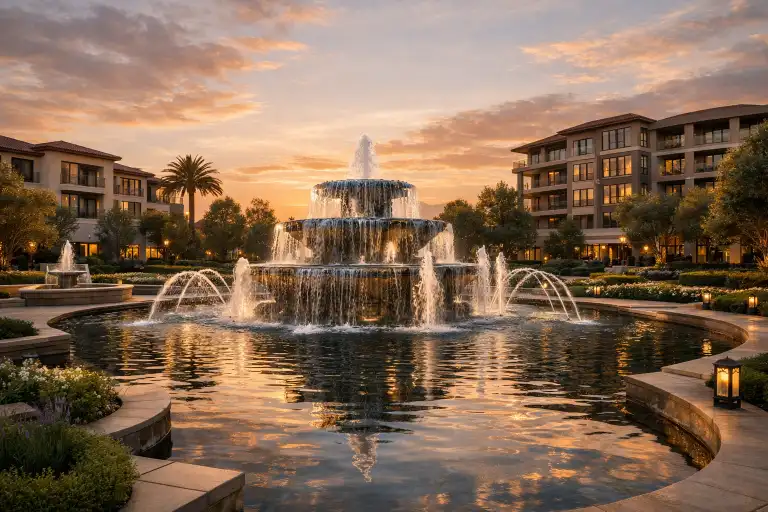
Master-planned communities are designed with intention. Every street, park, and public space works together to create an environment that feels cohesive, inviting, and memorable. While landscaping, architecture, and amenities all play critical roles, one feature consistently stands out as the visual and emotional centerpiece: fountains.

From grand outdoor water fountains at community entrances to serene garden fountains tucked into pocket parks, water features provide an unmatched combination of beauty, movement, and tranquility. For decades, developers and planners have relied on these elements to create identity, increase property value, and enhance daily life for residents.

Even as architectural styles evolve and communities incorporate modern amenities, water fountains remain a timeless anchor in the design of master-planned developments.

This article explores why fountains continue to define community spaces, how different types of water features are used in modern planning, and why they remain one of the most powerful placemaking tools available.

The Historical Role of Fountains in Community Design

Water has always been central to human settlements. In ancient civilizations, fountains served practical purposes, supplying drinking water and supporting daily life. Over time, however, they evolved into symbols of prosperity, artistry, and civic pride.

European plazas, Roman courtyards, and historic town squares all featured elaborate water fountains that became natural gathering places. The visual appeal of flowing water and the cooling microclimate it created made these spaces welcoming and lively.

Today’s master-planned communities draw inspiration from these historic precedents. While modern water features often incorporate advanced technology and lighting, the fundamental purpose remains the same: to create spaces where people feel connected and relaxed.

Developers recognize that thoughtfully designed outdoor fountains instantly elevate a space, transforming a simple landscape into a memorable destination.

Creating an Iconic Entrance Statement

One of the most recognizable uses of outdoor water fountains in master-planned communities appears at entry monuments. These installations often serve as the first impression visitors receive.

A dramatic fountain positioned at a community entrance accomplishes several goals simultaneously:

  • Establishes identity and prestige
  • Creates a landmark that residents recognize instantly
  • Enhances landscaping and architecture
  • Communicates quality and permanence

Large-scale outdoor fountains frequently include multi-tier basins, sculptural elements, or modern geometric designs. Combined with lighting and surrounding landscaping, they create a signature gateway experience.

For developers competing in high-value real estate markets, this visual impact plays a major role in shaping perception and brand identity.

Enhancing Public Spaces and Gathering Areas

Beyond entrances, water fountains serve as focal points within shared spaces throughout a community.

Parks, plazas, courtyards, and recreational areas often incorporate garden fountains or water features that provide both aesthetic beauty and functional benefits.

Flowing water naturally draws people in. Residents often gather near fountains for conversation, relaxation, or quiet reflection. Children are fascinated by moving water, while adults appreciate the calming soundscape it creates.

In community parks, outdoor water fountains also help define space. A central fountain can anchor seating areas, walking paths, and landscaping, organizing the layout of the entire environment.

These installations create a natural sense of place, encouraging residents to spend more time outdoors and engage with their surroundings.

Increasing Property Value and Market Appeal

From a development perspective, fountains offer a powerful return on investment. Numerous real estate studies show that well-designed landscaping and water features contribute to higher property values and faster home sales.

Why does this happen? Because water creates emotional resonance.

Potential buyers touring a master-planned community respond immediately to environments that feel peaceful, luxurious, and thoughtfully designed. Outdoor water fountains signal that the development prioritizes quality and long-term value.

In many cases, signature water features become marketing centerpieces. They appear prominently in promotional materials, website imagery, and community branding.

Developers understand that when prospective buyers see beautiful garden fountains or grand entry water fountains, they perceive the entire community as more refined and desirable.

The Psychological Benefits of Flowing Water

Beyond visual appeal, fountains offer measurable psychological benefits.

The sound of flowing water triggers a natural relaxation response in the human brain. Studies on environmental psychology show that water sounds can reduce stress, improve mood, and enhance overall well-being.

For residents living in master-planned communities, this effect becomes part of daily life. Walking past outdoor water fountains on a morning stroll or sitting near a garden fountain during the evening provides a moment of calm within a busy world.

Water also masks background noise. Traffic, distant construction, or neighborhood sounds fade into the background when layered beneath the gentle movement of water.

This acoustic benefit explains why water features remain popular in residential environments where tranquility is a priority.

Architectural Integration in Modern Developments

Modern master-planned communities increasingly integrate fountains directly into architectural environments rather than treating them as standalone sculptures.

Designers now create cohesive compositions that combine landscaping, architecture, lighting, and water features into a unified visual experience.

Examples include:

  • Courtyard wall fountains integrated into residential buildings
  • Plaza floor fountains that emerge directly from paved surfaces
  • Sculptural rain curtain fountains in modern gathering spaces

These installations create immersive environments where water interacts with the surrounding architecture.

A rain curtain water feature, for instance, allows sheets of water to fall in controlled vertical patterns, creating both visual drama and a soothing soundscape.

This contemporary approach allows communities to maintain timeless elegance while embracing modern aesthetics.

Diverse Fountain Types for Different Community Spaces

Garden Fountains

Garden fountains are commonly placed within landscaped areas, walking paths, and residential courtyards. These installations tend to feature classic forms, stone basins, or sculptural elements. Their purpose is to enhance greenery while creating a peaceful atmosphere.

Outdoor Water Fountains

Larger outdoor water fountains often serve as landmarks within parks or entry plazas. These installations emphasize scale and visibility, helping define the character of the community.

Wall Fountains

Wall fountains are ideal for smaller spaces such as courtyards, clubhouses, and community centers. Water flows along vertical surfaces, producing a calming effect without requiring large footprints.

Floor Fountains

Interactive floor fountains are increasingly popular in family-oriented communities. Water jets emerge from the ground in choreographed patterns, often accompanied by lighting effects. These installations create playful environments while maintaining modern aesthetics.

Rain Curtain Fountains

A rain curtain fountain offers one of the most dramatic architectural water features. Water flows in continuous vertical sheets, forming a curtain-like visual element that captures attention instantly. These installations are frequently used in contemporary plazas or mixed-use developments.

Indoor Water Features in Community Buildings

While most fountains in master-planned communities appear outdoors, interior spaces also benefit from water features.

Clubhouses, sales centers, and shared facilities often incorporate indoor fountains to elevate their atmosphere.

Examples include:

  • Decorative indoor water fountains in lobbies
  • Sculptural wall fountains in reception areas
  • Elegant floor fountains in atriums

For smaller interior environments, tabletop fountains provide a compact solution. These installations deliver the calming sound of water without requiring large architectural infrastructure. When placed strategically, indoor water fountains reinforce the design language of the entire community.

Sustainability and Modern Fountain Technology

Modern water fountains have evolved significantly in terms of sustainability and efficiency.

Advanced recirculation systems allow fountains to reuse water continuously, minimizing waste. Filtration technology keeps water clean while reducing maintenance requirements. Energy-efficient pumps and LED lighting systems also reduce operational costs.

Additionally, smart control systems allow developers to adjust water flow, lighting patterns, and operational schedules remotely.

This combination of sustainability and technology allows water features to remain viable long-term investments for communities.

Fountains as Community Landmarks

Fountains as Community Landmarks

Perhaps the most powerful reason fountains continue to anchor master-planned communities is their ability to create landmarks.

People remember places that include sensory experiences, sights, sounds, and emotional connections. A beautiful fountain provides all three.

Residents often use fountains as meeting points: “Let’s meet by the fountain.”

Over time, these locations become woven into the social fabric of the neighborhood. Children grow up playing near them. Families take photos beside them. Visitors associate them with the identity of the community. In this way, fountains become more than decorative elements—they become symbols of place.

The Future of Fountains in Community Planning

As urban planning evolves, the role of fountains continues to expand.

Developers increasingly incorporate interactive technologies, artistic lighting displays, and innovative materials to create new types of water features.

Emerging trends include:

  • Programmable choreographed fountains
  • Interactive plaza water installations
  • Artistic rain curtain water features
  • Multi-level floor fountains integrated into architecture

These innovations ensure that fountains remain relevant in modern developments while preserving the timeless appeal of flowing water.

Even as community design trends change, one principle remains constant: people are drawn to water. For that reason, fountains will continue to anchor master-planned communities for generations to come.

Conclusion

Master-planned communities are built around the idea of creating environments where people feel proud to live. While landscaping, architecture, and amenities all contribute to that goal, fountains remain one of the most effective design elements available.

From grand outdoor water fountains at entrances to intimate garden fountains tucked into quiet courtyards, water features provide beauty, identity, and emotional connection. They increase property value, enhance community spaces, and create memorable landmarks that residents cherish.

Whether in the form of modern rain curtain fountains, elegant wall fountains, or interactive floor fountains, these installations continue to define the character of thoughtfully designed neighborhoods.

In the world of master-planned communities, water fountains are far more than decorative features—they are the heart of the landscape.

FAQs:

Fountains create visual landmarks, enhance landscaping, and provide relaxing soundscapes. These water features help define community identity while improving property value and overall resident experience.

Developments often include outdoor water fountains, garden fountains, wall fountains, floor fountains, and modern rain curtain water features to create focal points in parks, plazas, and entrances.

Yes. Most modern water fountains use recirculating systems, energy-efficient pumps, and LED lighting. These technologies reduce water usage and operational costs while maintaining beautiful water features for residents to enjoy.

SPRING SALE: 10% OFF ALL PRODUCTS
Use Code: SPRING10 | Ends April 30