...
471.1.Elevated-Spillway-fountains

Elevated Spillway Fountains for Structured Terraces: A Sophisticated Way to Add Flow, Sound, and Architectural Harmony

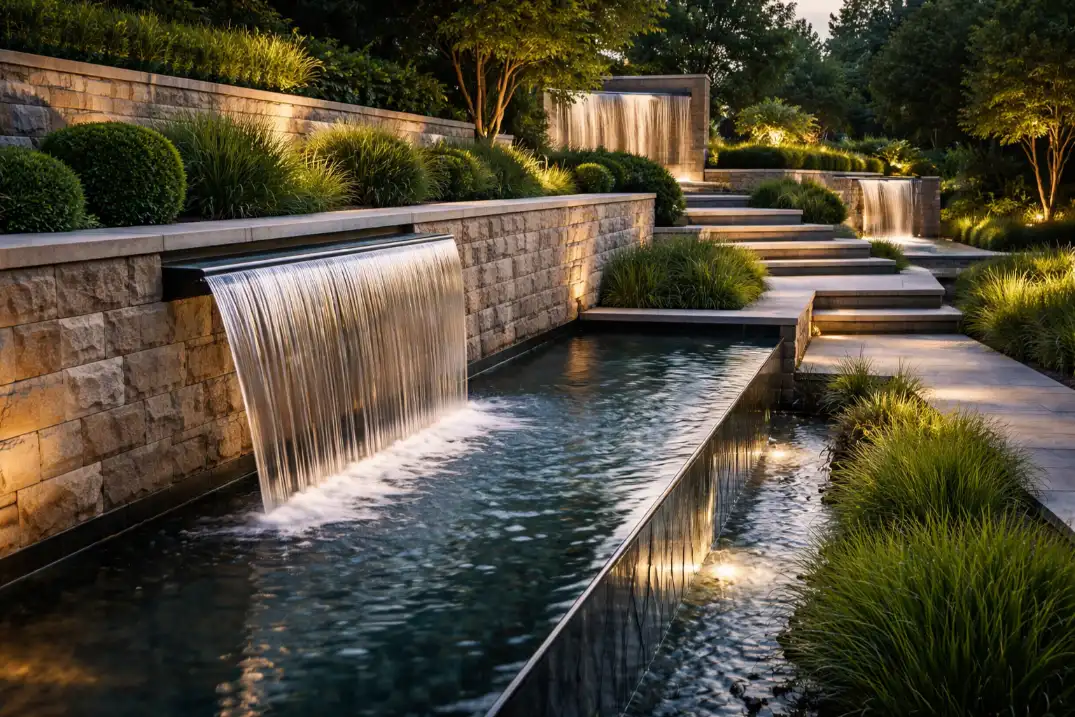
Structured terraces bring order, symmetry, and visual rhythm to outdoor landscapes. Whether in residential gardens, hillside properties, luxury hotels, or urban courtyards, terraces provide a layered architectural canvas that invites creative design. Among the most striking elements that can enhance these spaces are elevated spillway fountains, a refined category of outdoor water fountains that combines movement, sound, and sculptural presence.

Unlike traditional garden fountains that sit directly on the ground, elevated spillway fountains introduce water at a higher level and allow it to cascade elegantly into lower basins or terrace levels. The result is a sophisticated water feature that integrates seamlessly with structured landscaping while creating a sensory experience through gentle water movement.

From minimalist stone channels to contemporary wall fountains, elevated spillways are becoming an increasingly popular solution for designers seeking to blend architecture and water.

In this guide, we explore how elevated spillway fountains work, why they pair beautifully with structured terraces, and how they complement other popular water fountains including rain curtain fountains, floor fountains, and modern outdoor water features.

What Are Elevated Spillway Fountains?

An elevated spillway fountain is a type of outdoor fountain where water flows from a raised reservoir, trough, or channel and spills over a defined edge into a lower basin or terrace level.

The defining feature is the spillway edge, where water creates a smooth, controlled sheet as it flows downward. This edge can be crafted from stone, metal, concrete, or glass depending on the style of the fountain.

Unlike decorative tabletop fountains or indoor water fountains, spillway fountains focus on architectural integration. They often form part of retaining walls, terrace edges, or raised planters.

Common configurations include:

  • Raised stone channels spilling into reflecting pools
  • Linear spillways integrated into retaining walls
  • Elevated wall fountains that cascade into basin terraces
  • Tiered water features connecting multiple terrace levels
  • Modern metal troughs spilling water into geometric basins

The effect is clean, elegant, and structured, making it ideal for contemporary landscapes.

Why Spillway Fountains Work Perfectly with Terraced Landscapes

Terraces naturally create height variation, and elevated spillway fountains take advantage of this vertical structure.

Instead of forcing water features into flat spaces, spillway fountains embrace gravity, allowing water to flow naturally between levels.

This harmony between architecture and water produces several key benefits.

1. Visual Continuity Across Levels

A structured terrace often includes multiple platforms separated by retaining walls or steps. Elevated spillway fountains connect these levels visually.

Water flowing between terraces guides the eye through the space, reinforcing the design rhythm.

A spillway placed along a retaining wall can turn an ordinary structure into a dramatic water feature, blending landscaping and sculpture.

2. Soothing Sound Without Overpowering the Space

Many outdoor water fountains are designed to produce relaxing sound. Spillway fountains excel in this regard.

The smooth sheet of water flowing over the spillway edge produces a gentle, continuous sound, more subtle than splashing tiered garden fountains.

This sound helps mask urban noise, creating a peaceful environment in courtyards, patios, and gardens.

3. Architectural Elegance

Elevated spillways often appear as part of the structure rather than as separate decorative objects.

For example:

  • A stainless steel spillway embedded in a stone wall
  • A concrete channel extending from a planter box
  • A floating trough above a reflecting pool

The result feels modern, intentional, and sophisticated—qualities that appeal to architects and landscape designers alike.

4. Ideal for Contemporary Landscape Design

While classical garden fountains often feature ornate sculptures or tiered basins, elevated spillway fountains align beautifully with modern landscapes.

Minimalist geometry, clean edges, and smooth water sheets define contemporary outdoor fountains.

Materials commonly used include:

  • Concrete
  • Natural stone
  • Stainless steel
  • Copper
  • Glass panels

These materials emphasize clean lines and complement modern architecture.

Popular Styles of Elevated Spillway Fountains

Elevated spillway fountains come in a wide range of styles depending on the surrounding landscape.

Here are several of the most popular design approaches.

Linear Spillway Wall Fountains

Linear spillways are sleek wall fountains installed within retaining walls. Water flows from a narrow horizontal opening and falls into a long basin or reflecting pool below.

This design works beautifully in:

  • Modern courtyards
  • Poolside landscapes
  • Formal terrace gardens
  • Luxury residential patios

Because of their minimal footprint, linear spillway fountains provide strong visual impact without dominating the space.

Tiered Terrace Spillways

In larger landscapes, designers sometimes install multiple spillways that connect several terrace levels.

Each level receives water from the one above it, creating a cascading sequence of outdoor water fountains.

This approach creates a sense of movement throughout the landscape.

At night, LED lighting can transform the cascades into glowing architectural features.

Raised Basin Spillway Fountains

Some elevated spillway fountains feature a raised basin that allows water to overflow on one or more sides. The water sheet falls into a larger pool or gravel bed below.

This design resembles an infinity-edge pool and creates a beautiful visual effect. These fountains are especially effective in:

  • Luxury residential terraces
  • Resort landscapes
  • Rooftop gardens
  • Contemporary estates

Spillway Planter Fountains

Another creative approach integrates spillways into raised planters. Water flows from the planter edge and spills into a lower basin or decorative channel. The combination of plants and water adds layers of texture and life to the terrace.

These installations combine garden fountains with living landscaping elements.

Combining Spillway Fountains with Other Water Features

Elevated spillways are often part of a larger water feature system.

Designers frequently combine them with other types of water fountains to create richer visual experiences.

Rain Curtain Fountains

A rain curtain fountain produces vertical strands of water that fall like rain. These installations are often framed by metal structures or architectural panels. When placed near an elevated spillway fountain, the contrast between flowing sheets and falling droplets creates dramatic visual texture.

A rain curtain water feature works especially well in modern courtyards or hotel terraces.

Reflecting Pools

Spillway fountains frequently feed into reflecting pools. The still surface of the pool reflects architecture, plants, and sky while the spillway adds movement. This balance between calm and motion makes reflecting pools a popular companion to modern outdoor fountains.

Floor Fountains

Floor fountains feature jets embedded directly into paving surfaces. They are often interactive and commonly installed in plazas or public courtyards. Pairing floor fountains with elevated spillways creates multi-level water experiences. Visitors can walk among the jets while watching water cascade from above.

Wall-Mounted Garden Fountains

In smaller terraces, elevated spillways can be integrated into decorative wall fountains. These designs use sculptural basins or carved stone panels to guide water downward. They bring elegance to compact spaces where large pools are not practical.

Materials Used in Elevated Spillway Fountains

Integrated Landscape-and-Fountain Design as a Single Concept Creating Cohesive Outdoor Water Experiences

Material selection plays a critical role in how spillway fountains look and function. Different materials influence the flow of water and the aesthetic of the fountain.

Natural Stone

Stone spillways create a timeless appearance that blends with traditional landscapes.

Common stones include:

  • Limestone
  • Granite
  • Travertine
  • Slate

Stone adds texture and warmth while still supporting clean water flow.

Stainless Steel

Modern stainless steel spillways produce perfectly smooth sheets of water. They are extremely durable and resistant to corrosion. These are among the most popular choices for contemporary outdoor water fountains.

Concrete

Concrete offers flexibility in shaping channels and basins. Architects often design custom concrete spillway fountains to match modern buildings and terraces. Concrete also supports integrated lighting and hidden plumbing systems.

Copper

Copper spillways develop a natural patina over time. The evolving color adds character and depth to the fountain. Copper also pairs beautifully with stone terraces and natural landscaping.

Lighting Elevated Spillway Fountains

Lighting dramatically enhances the effect of outdoor water fountains. Integrated LED lighting can highlight water sheets and create glowing cascades at night.

Common lighting techniques include:

  • Underwater basin lighting
  • Spillway edge lighting
  • Backlit wall fountains
  • Subtle uplighting along terrace walls

Lighting not only improves visibility but also transforms the fountain into an evening focal point.

Maintenance Considerations

Like all water features, elevated spillway fountains require routine care to maintain performance.

Key maintenance practices include:

  • Cleaning pumps and filters
  • Checking water levels regularly
  • Removing debris from basins
  • Managing algae growth
  • Winterizing in colder climates

Fortunately, many modern outdoor fountains include recirculating systems that simplify upkeep. Regular maintenance ensures that the spillway continues producing smooth, uninterrupted water sheets.

Indoor Inspiration: Spillway Concepts for Interior Spaces

Although elevated spillways are most common outdoors, similar principles appear in indoor fountains. Architectural wall fountains inside offices, hotels, and spas often use spillway edges to produce elegant water sheets.

Some examples include:

  • Modern lobby water fountains with stainless steel spillways
  • Vertical rain curtain fountains inside atriums
  • Contemporary indoor water fountains with illuminated glass panels

Even smaller tabletop fountains sometimes mimic spillway designs by allowing water to overflow gently from one level to another. These indoor interpretations show how versatile spillway designs can be.

Why Elevated Spillway Fountains Are Growing in Popularity

Several trends in landscape architecture have contributed to the rise of elevated spillway fountains. Designers increasingly prioritize:

  • Clean architectural lines
  • Integrated landscape features
  • Minimalist aesthetics
  • Sensory experiences with sound and movement

Elevated spillways deliver all of these qualities. They provide the soothing presence of water fountains while reinforcing the structure and geometry of terraced landscapes. As outdoor living spaces continue to evolve, spillway fountains are becoming a centerpiece of modern garden fountains and contemporary water features.

Final Thoughts

Elevated spillway fountains represent one of the most elegant ways to integrate water into structured terraces. Their controlled flow, architectural simplicity, and calming sound make them ideal for modern landscapes. Whether incorporated into retaining walls, raised basins, or multi-level terraces, spillway fountains create a visual and sensory connection between different levels of a garden.

When combined with complementary features like rain curtain fountains, reflecting pools, or floor fountains, they can transform outdoor environments into immersive spaces that blend art, architecture, and nature.

From luxury residential gardens to commercial plazas and resort landscapes, elevated spillway fountains continue to redefine what outdoor water fountains can achieve.

FAQs:

A spillway fountain is a type of water feature where water flows from an elevated reservoir and spills over an edge into a lower basin or pool. These fountains are commonly used in modern outdoor water fountains and structured terrace landscapes.

Yes. While they are often used in large terraces, smaller versions can be integrated into wall fountains or raised planters, making them practical garden fountains even in compact outdoor spaces.
A spillway fountain creates a smooth sheet of water flowing over an edge, while a rain curtain fountain produces vertical strands or droplets of water that fall like rain. Both are modern water features often used in contemporary landscape design.
SPRING SALE: 10% OFF ALL PRODUCTS
Use Code: MAY10 | Ends MAY 31