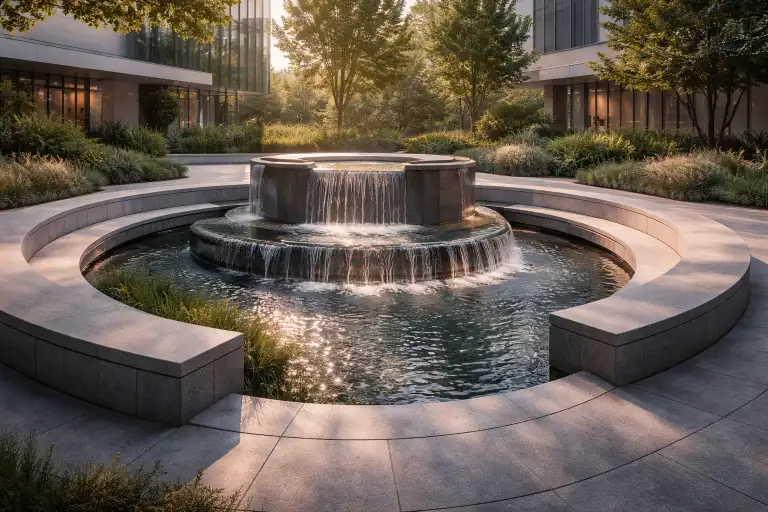
Public spaces are evolving rapidly. Urban planners, landscape architects, and city designers are searching for elements that combine function, beauty, and human experience. One concept gaining momentum is the integration of seating and fountains into a single cohesive structure.
Integrated bench-and-fountain designs blend relaxation with sensory engagement. People can sit, socialize, rest, and enjoy the calming presence of flowing water at the same time. These hybrid installations combine the practicality of public seating with the aesthetic and environmental benefits of water features.
From city plazas to botanical gardens, these designs help transform ordinary areas into memorable destinations.
This article explores how integrated bench-and-fountain concepts enhance public spaces, the types of fountains commonly used, and how these installations can elevate urban environments.
Why Combine Benches and Fountains?
Public seating and fountains have existed for centuries. Traditionally they were separate elements placed within parks or plazas. Today, designers increasingly combine them into unified installations.
There are several reasons this approach works so well.
1. Creating Interactive Gathering Spaces
Water naturally draws people in. When paired with seating, the attraction becomes stronger.
Visitors tend to linger around water fountains because the sound of moving water creates a relaxing atmosphere. Integrated benches invite people to stay longer, encouraging social interaction.
In busy urban environments, these installations help create micro-oases of calm.
2. Enhancing Visual Impact
A traditional seating arrangement may blend into the background. But when seating integrates with outdoor fountains, the structure becomes a centerpiece.
The design can incorporate:
- curved seating around a circular fountain
- stepped seating surrounding cascading water
- sculptural benches framing modern water features
This combination creates a visually striking focal point that enhances the character of public spaces.
3. Encouraging Cooling and Comfort
Water plays a major role in urban microclimate regulation. The evaporation process cools surrounding air, making plazas and parks more comfortable during warm weather.
Integrated outdoor water fountains near seating areas allow people to benefit from this cooling effect while resting.
Cities with hot climates often prioritize water features for this reason.
Design Principles Behind Bench-and-Fountain Installations
Successful integrated installations require thoughtful planning. Landscape architects must balance aesthetics, safety, maintenance, and accessibility.
Spatial Harmony
The fountain should never overwhelm the seating area.
Instead, designers ensure that the scale of the fountain matches the seating layout, allowing visitors to comfortably interact with the space.
Curved seating arrangements often work well because they mirror the natural movement of water.
Acoustic Comfort
The sound of water is a major part of the experience.
Too little sound reduces the calming effect. Too much can become distracting.
Careful design of water fountains and cascading surfaces allows designers to produce the ideal level of ambient sound.
Accessibility
Integrated designs must accommodate all visitors.
This includes:
- wheelchair-accessible seating
- safe walking paths
- non-slip surfaces around water features
Inclusive design ensures that public fountains welcome everyone.
Durability
Public installations must withstand heavy use and environmental exposure.
Common materials include:
- natural stone
- stainless steel
- architectural concrete
- treated hardwood
These materials complement both garden fountains and modern urban water features.
Types of Fountains Used in Integrated Seating Designs
Not every fountain works well with seating. Certain types of fountains are especially suited for integrated layouts.
Reflecting Pool Fountains
Reflecting pools are among the most elegant outdoor fountains.
The calm surface of the water mirrors surrounding architecture and landscaping. Benches placed along the perimeter allow visitors to enjoy the tranquil scene.
These installations are common in civic plazas and memorial parks.
Cascading Garden Fountains
Multi-tiered garden fountains are popular in botanical gardens and landscaped public spaces.
When seating surrounds these fountains, visitors can enjoy the visual rhythm of water flowing from one level to another.
The sound of cascading water enhances the peaceful atmosphere.
Linear Water Channels
Modern plazas often feature linear water features running alongside seating walls. These channels create subtle motion and sound without dominating the space.
They work particularly well in minimalist urban environments.
Floor Fountains
Interactive floor fountains are common in family-friendly plazas.
Water jets emerge directly from the ground, allowing children to play safely while adults relax nearby on integrated seating.
These installations combine recreation with visual appeal.
The Role of Modern Water Features in Urban Design
Cities increasingly recognize the value of water in public environments.
Modern water features offer more than aesthetic beauty.
They also contribute to:
- environmental sustainability
- improved urban climate
- social engagement
Integrated bench-and-fountain designs support these goals by making water accessible and interactive.
When people sit near fountains, they connect more deeply with the surrounding environment.
Indoor Applications of Bench-and-Fountain Concepts
Although most installations appear outdoors, integrated designs also work well inside large buildings.
Hotels, airports, museums, and shopping centers often include indoor fountains with surrounding seating.
Indoor Water Fountains in Commercial Spaces
Modern indoor water fountains create a sense of luxury and calm within busy interiors.
Benches or lounge seating placed nearby encourage visitors to relax while enjoying the atmosphere.
These installations often appear in:
- hotel lobbies
- corporate atriums
- conference centers
Wall Fountains with Seating
Large wall fountains serve as architectural statements inside buildings.
Water flows down textured surfaces while seating areas allow visitors to pause and appreciate the design.
These installations combine art, architecture, and comfort.
Rain Curtain Fountain Installations
A rain curtain fountain is a dramatic indoor water feature where water falls in a controlled sheet or curtain.
Benches placed around the perimeter allow visitors to sit and watch the mesmerizing flow.
These installations create immersive environments in modern architecture.
Outdoor Fountain Concepts for Parks and Plazas
Outdoor installations often provide the most dramatic opportunities for integrated design. Cities around the world use outdoor water fountains to activate public gathering areas.
Circular Bench Fountains
One of the most popular designs is the circular bench fountain.
A ring of seating surrounds the water feature, creating a social hub.
Visitors naturally gather in these areas because they encourage conversation and relaxation.
Amphitheater Fountain Spaces
Some plazas incorporate tiered seating around fountains, creating amphitheater-style environments.
These spaces can host:
- performances
- community events
- casual gatherings
The fountain serves as the central visual anchor.
Sculptural Outdoor Water Fountains
Artistic outdoor fountains often double as sculptures.
Designers may integrate seating directly into the base of the structure.
This approach blurs the line between functional furniture and public art.
Small-Scale Inspirations: Tabletop and Indoor Designs
Although large public installations attract attention, smaller fountains can inspire similar design ideas.
For example, tabletop fountains used in offices or homes replicate the calming effect of larger water features.
Likewise, small indoor water fountains often include nearby seating areas to create meditation or relaxation zones.
These scaled-down designs demonstrate how water influences human comfort and focus.
The Growing Popularity of Rain Curtain Water Features
One modern trend shaping public design is the rain curtain water feature.
Instead of traditional spouts or jets, water flows in thin vertical streams, creating a curtain-like effect.
These installations often appear in:
- shopping malls
- hotel entrances
- cultural centers
When combined with seating, they create immersive environments where visitors can relax while surrounded by moving water.
Because the water flows evenly, the visual effect is both dramatic and soothing.
Sustainability in Fountain Design
Modern outdoor water fountains must balance aesthetics with environmental responsibility.
Sustainable design practices include:
- recirculating water systems
- energy-efficient pumps
- rainwater harvesting
- smart filtration technology
These innovations allow cities to enjoy beautiful water fountains without excessive water consumption.
Many modern installations also incorporate solar power or automated systems that adjust water flow based on weather conditions.
Maintenance Considerations
Integrated bench-and-fountain installations require ongoing care.
Regular maintenance ensures that water features remain safe and visually appealing.
Key considerations include:
- water filtration and treatment
- pump maintenance
- cleaning fountain surfaces
- inspecting seating structures
Proper planning during the design phase helps reduce long-term maintenance costs.
Durable materials and efficient water systems play an important role.
The Social Impact of Water in Public Spaces
Water has a powerful psychological effect on people.
Studies show that the sound and movement of water can reduce stress and improve mood.
Integrated fountains and seating areas amplify this effect by encouraging people to pause, relax, and engage with their surroundings.
In busy cities, these installations provide rare moments of tranquility.
They also support social connection by creating welcoming spaces where people naturally gather.
The Future of Bench-and-Fountain Design
Urban designers continue to explore innovative ways to integrate water fountains into public seating areas.
Future trends may include:
- interactive digital fountains
- illuminated water displays
- climate-responsive water features
- artistic rain curtain installations
As cities prioritize livability and sustainability, integrated outdoor fountains and seating concepts will likely become more common.
These installations combine art, architecture, and environmental design in ways that enrich public life.
Conclusion
Integrated bench-and-fountain concepts represent a powerful approach to public space design.
By combining comfortable seating with engaging water features, these installations transform ordinary plazas, parks, and buildings into memorable environments.
From elegant garden fountains and modern wall fountains to dramatic rain curtain fountains and playful floor fountains, the possibilities are vast.
When thoughtfully designed, these spaces encourage relaxation, social interaction, and appreciation of the natural beauty of moving water.
As cities continue to evolve, integrated outdoor water fountains and seating installations will play an increasingly important role in shaping vibrant, human-centered public spaces.