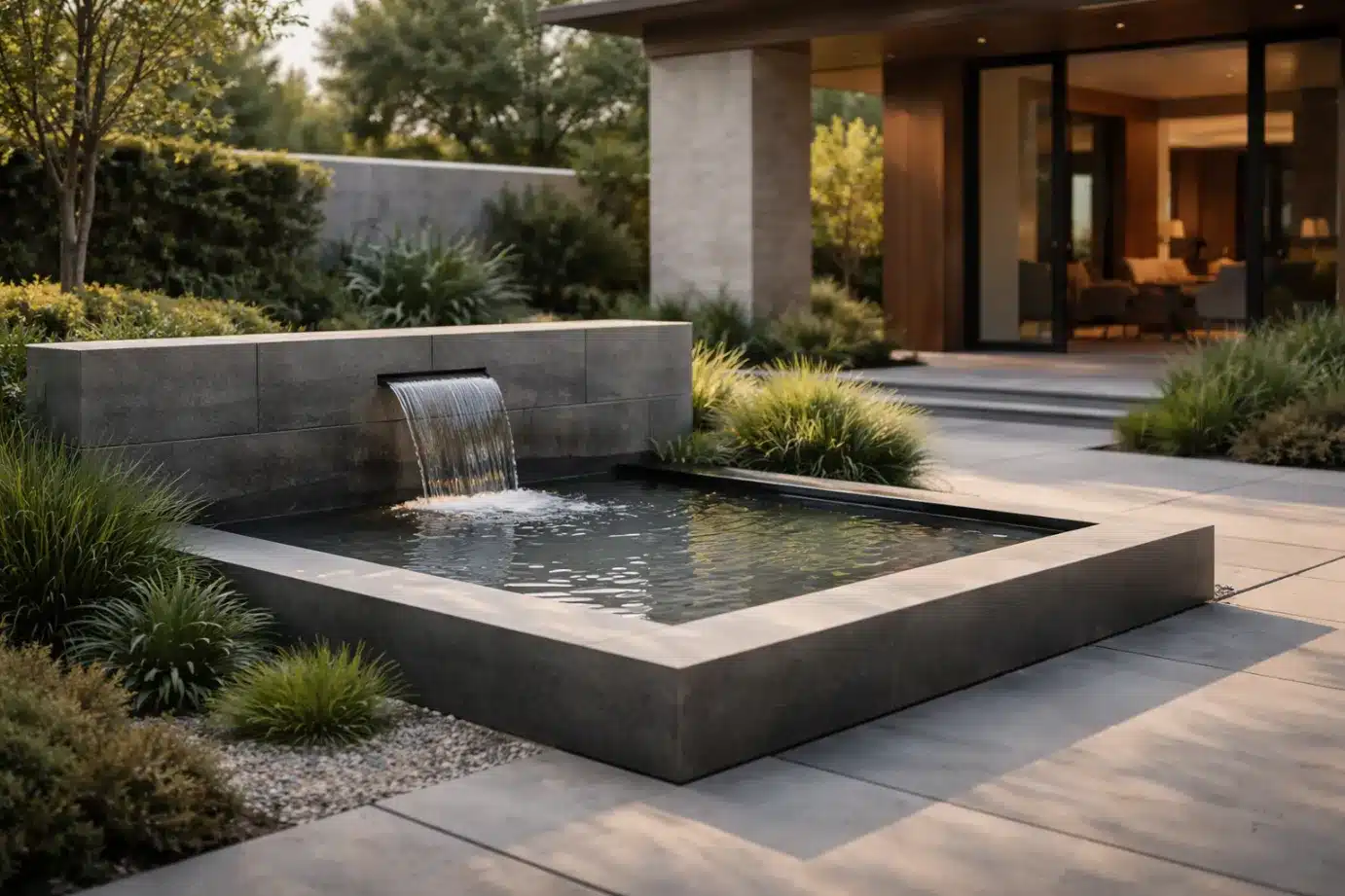
...
DIY-Design-Fountain

When DIY Meets Design: Knowing When to Keep It Simple

Introduction: The Allure of DIY in a Design-Driven World

In recent years, DIY culture has surged. From home renovation shows to Pinterest boards filled with step-by-step tutorials, the idea of doing it yourself has become deeply embedded in how people approach design. There’s something empowering about creating with your own hands, saving money, expressing creativity, and tailoring a solution exactly to your taste.

But when DIY meets design, especially in the world of fountains and water features, a critical question arises: When should you keep it simple, and when is it time to bring in professional design thinking?

Water fountains, whether indoor fountains, outdoor fountains, or dramatic architectural statements like a rain curtain fountain, are more than decorative objects. They combine aesthetics, engineering, acoustics, safety, and long-term maintenance. A well-designed fountain can transform a space into a sanctuary. A poorly planned one can become a source of frustration, leaks, algae, and noise.

This article explores the intersection of DIY and professional design in the world of water fountains. We’ll break down when DIY projects truly shine, when design expertise matters most, and how to strike the perfect balance between creativity and simplicity.

Why Water Features Hold Timeless Appeal

Across cultures and centuries, water has symbolized life, movement, and tranquility. From ancient Roman courtyards to modern luxury resorts, water features have always played a central role in shaping atmosphere.

Today, homeowners and designers alike turn to garden fountains, indoor water fountains, and wall fountains to:

  • Create a sense of calm through sound and motion
  • Mask unwanted noise in urban or suburban environments
  • Add a focal point to indoor and outdoor spaces
  • Increase perceived property value
  • Strengthen the emotional connection to a space

The beauty of fountains lies in their versatility. A small tabletop fountain can bring serenity to a home office, while a large outdoor water fountain can anchor an entire landscape design.

But with that versatility comes complexity, and that’s where the DIY-versus-design decision becomes crucial.

The Rise of DIY Fountains: Why People Love Them

DIY fountains have exploded in popularity for good reason. They feel accessible, customizable, and budget-friendly. For many, building a fountain becomes a creative ritual rather than a purely functional task.

Benefits of DIY Water Fountains

Lower Initial Cost
DIY projects often rely on readily available materials like ceramic pots, buckets, submersible pumps, and decorative stones. This makes entry-level water fountains affordable.

Creative Control
DIY allows complete personalization, size, shape, texture, and sound can all be adjusted to fit your vision.

Hands-On Satisfaction
There’s a deep sense of pride in building something that flows, sparkles, and lives within your space.

Perfect for Small-Scale Features
Simple tabletop fountains, compact indoor fountains, and modest garden fountains are often ideal DIY projects.

When kept simple, DIY fountains can be both beautiful and functional.

When DIY Works Best: Keep It Simple

The golden rule of DIY design is this: complexity is the enemy of longevity.

DIY fountains are most successful when they stay within clear boundaries.

1. Tabletop Fountains

Tabletop fountains are perhaps the safest and most satisfying DIY option. They require:

  • Minimal water volume
  • Low-powered pumps
  • Simple containment systems

Because the risk of leaks or structural failure is low, these fountains are ideal for beginners. They work beautifully in offices, bedrooms, meditation spaces, and entry tables.

2. Small Indoor Fountains

DIY indoor water fountains can work well when:

  • They are fully self-contained
  • Electrical components are properly rated
  • Splash zones are carefully controlled

Simple ceramic or stone vessels with concealed pumps can create elegant indoor fountains without overwhelming a space.

3. Simple Garden Fountains

In outdoor settings, DIY shines with garden fountains that are:

  • Ground-level or low-profile
  • Made with weather-resistant materials
  • Easy to drain and clean

A bubbling rock or urn fountain can add charm without requiring advanced plumbing or structural support.

Where DIY Starts to Break Down

Problems arise when DIY ambition outpaces design planning.

1. Scale Issues

Large outdoor fountains and outdoor water fountains involve:

  • Structural weight considerations
  • Stable foundations
  • Consistent water flow rates

Without proper engineering, fountains can crack, tilt, or leak over time.

2. Sound Miscalculations

Water sound is not accidental, it’s designed. DIY fountains often produce:

  • Loud splashing instead of gentle flow
  • Irregular water noise
  • Pump vibration

Professional designers carefully tune sound levels, especially in indoor fountains and wall fountains.

3. Maintenance Nightmares

DIY projects sometimes overlook:

  • Easy access to pumps
  • Algae control
  • Water evaporation management

What starts as a weekend project can turn into a long-term chore.

Diy

The Role of Professional Design in Water Fountains

Design professionals bring more than aesthetic vision, they bring systems thinking.

Design Balances Beauty and Function

Professionally designed water fountains consider:

  • Water flow dynamics
  • Structural integrity
  • Long-term durability
  • Safety and electrical compliance

This is especially important for:

  • Wall fountains
  • Floor fountains
  • Rain curtain water features

When Design Expertise Is Essential

1. Wall Fountains

Wall fountains require precise mounting, waterproofing, and flow control. A design misstep can result in hidden leaks and wall damage.

2. Floor Fountains

Floor fountains integrate directly with architecture. Weight, drainage, and water containment must be engineered, not guessed.

3. Rain Curtain Fountains

A rain curtain fountain or rain curtain water feature is a perfect example of where DIY often fails. These features rely on:

  • Perfectly even water distribution
  • Precision manifolds
  • Advanced filtration systems

Even minor errors can disrupt the visual effect.

Indoor vs. Outdoor: Different Rules, Same Principles

Indoor Water Fountains

Indoor water fountains demand:

  • Quiet operation
  • Splash-free design
  • Moisture control

DIY works best when the fountain is compact and contained.

Outdoor Water Fountains

Outdoor water fountains must withstand:

  • Weather extremes
  • UV exposure
  • Freezing temperatures

Professional design often saves money long-term by preventing failure.

Blending DIY and Design: A Smart Middle Ground

The most successful projects often blend DIY creativity with professional guidance.

Hybrid Approach Examples

  • DIY installation of a professionally designed fountain kit
  • Customizing finishes on pre-engineered water features
  • Using professional design for structure, DIY for décor

This approach preserves creativity while protecting performance.

How to Decide: Keep It Simple or Call a Designer?

Ask yourself:

  • Is the fountain structural or decorative?
  • Will failure cause damage?
  • Is water flow precision critical?
  • Will this be indoors or outdoors?

If risk is low, DIY away. If risk is high, design matters.

Long-Term Value: The Hidden Cost of “Cheap” Fountains

Poorly designed fountains often cost more over time due to:

  • Repairs
  • Replacements
  • Water damage

Well-designed fountains are investments, not expenses.

Final Thoughts: Simplicity Is a Design Skill

True design isn’t about complexity, it’s about restraint. Knowing when to keep things simple is what separates lasting beauty from short-lived trends.

DIY fountains can be delightful when they respect scale, simplicity, and function. But when water meets architecture, professional design ensures harmony.

When DIY meets design, the magic happens not in choosing one over the other, but in knowing exactly where each belongs.

FAQs:

Fountains provide multisensory engagement, visual movement and calming sound, without imposing narrative. This makes them ideal for enhancing contemplation while respecting the primacy of exhibits.

Yes, when properly designed. Modern indoor fountains use controlled circulation, non-slip materials, and humidity management systems to meet strict museum safety and conservation standards.

Wall fountains and rain curtain fountains are among the most popular because they integrate seamlessly with architecture while offering strong visual and contemplative impact.