If you’ve ever caught yourself doom-scrolling for 20 minutes, only to look up and feel weirdly tired, you’re not alone.
We live in a world where screens don’t just fill our time, they fill our senses. Notifications, headlines, ads, pop-ups, and constant content compete for attention all day long.
And yet… in the middle of this digital overload, something surprisingly old-fashioned keeps pulling people back: fountains.
Not apps. Not gadgets. Not “smart wellness” subscriptions.
Just water, moving, sparkling, sounding like nature’s own white noise machine.
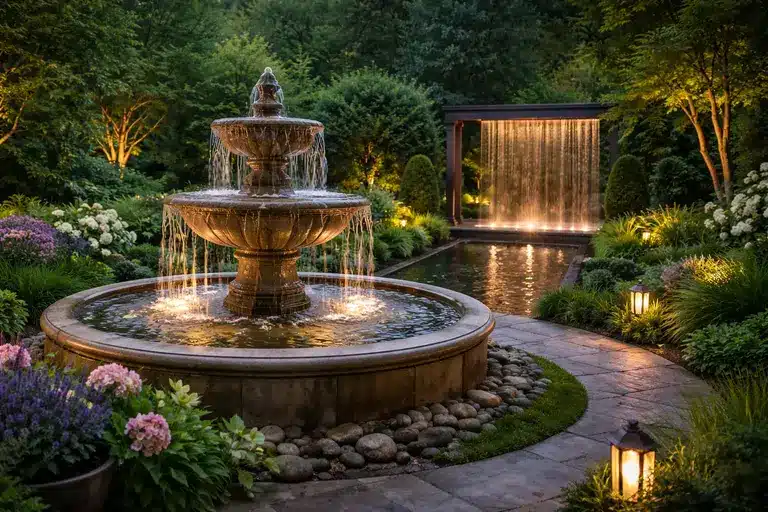
From elegant outdoor fountains in public squares to cozy tabletop fountains in home offices, the presence of flowing water still has a powerful effect. It changes how a space feels. It shifts our mood. It makes the air seem calmer. And honestly? It reminds us that life exists beyond pixels.
So why do fountains still matter in a digitally saturated world?
Because they do something technology can’t: they help us feel human again.
Let’s dive into it.
The Digital Age Has Made Stillness Rare
We’ve created a world where stillness feels almost suspicious.
If you’re not listening to something, watching something, or checking something, it can feel like you’re “wasting time.” Even rest has become optimized. Even mindfulness is packaged.
But fountains are the opposite of optimized.
- They don’t rush.
- They don’t interrupt.
- They don’t ask you to click anything.
They simply exist, and invite you to slow down.
This is one of the biggest reasons why water features have become more desirable in homes, gardens, workplaces, hotels, and wellness spaces. They act as a gentle counterbalance to the modern world.
In a way, fountains are the original “anti-noise technology.”
Why Humans Are Still Hardwired for Water
There’s a reason people feel better near oceans, rivers, lakes, and waterfalls.
It’s not just poetic, it’s biological.
Humans evolved around water. We relied on it for survival, safety, food, and community. So even today, the sight and sound of moving water signals something deep in the brain:
You are safe here.
This is why fountains feel so soothing. Even a small indoor fountain can recreate that sense of calm in a controlled space.
It’s also why indoor water fountains are often found in spas, meditation rooms, yoga studios, and hotel lobbies. The water isn’t there just for decoration, it’s there to shift the emotional tone of the environment.
Fountains Create a Sensory Experience Screens Can’t Replicate
Screens are powerful, but they’re limited.
They can stimulate your eyes and ears, and sometimes your emotions, but they don’t truly immerse your body in the physical world.
Fountains do.
They create:
- Sound (the soft splash or flowing stream)
- Motion (gentle movement that calms the nervous system)
- Light reflection (sparkle and shimmer that adds depth)
- Air freshness (in many cases, improved humidity indoors)
- A focal point (something real to look at, not a screen)
This is especially true for statement pieces like:
- wall fountains
- floor fountains
- a rain curtain fountain
- or a dramatic rain curtain water feature
These aren’t just decorative objects, they’re sensory anchors.
In a world full of digital distractions, fountains offer something quietly radical: real presence.
Outdoor Fountains: The Heartbeat of a Garden
There’s a reason garden fountains never go out of style.
A garden already connects us to nature, but a fountain takes it to the next level. It adds movement and sound, two elements that make a space feel alive.
Even a small fountain can make a yard feel like a retreat.
Why outdoor fountains matter more than ever
Modern life is loud. Even at home, you’re often surrounded by:
- traffic noise
- neighbors
- lawn equipment
- HVAC hum
- distant city sounds
Outdoor water fountains naturally mask those harsh noises with a more pleasant, organic sound.
That sound becomes the “background music” of your outdoor life, a soundtrack for reading, entertaining, meditating, or simply sitting still.
And the best part?
Unlike a speaker, a fountain never feels like “content.” It just feels like environment.
Outdoor Water Fountains Bring People Together
One underrated truth: fountains are social.
Public fountains have historically been gathering places. Town squares, courtyards, parks, and plazas used fountains as a central point, not just for beauty, but for community.
And we still see that today.
- People sit near fountains on dates
- Kids play nearby
- Tourists take photos
- Friends meet “by the fountain”
Even in private homes, outdoor fountains create a natural focal point for gatherings. They draw attention without demanding it.
In a digitally saturated world where connection often happens through screens, fountains create spaces where people actually linger.
Indoor Fountains: The New “Wellness Luxury”
The concept of luxury has changed.
It used to mean things like:
- expensive finishes
- huge TVs
- flashy decor
Now, luxury is increasingly about something else: peace.
That’s why indoor fountains are rising in popularity, not as a trend, but as a response to stress.
An indoor fountain says:
“This is a place where you can exhale.”
Indoor water fountains in modern spaces
You’ll see indoor fountains in:
- modern offices
- therapy spaces
- high-end apartments
- hotel entrances
- healthcare waiting rooms
- meditation corners
Why? Because water instantly softens a space. It makes the room feel less sterile and more alive.
And in the era of remote work, more people are building calming environments at home — which makes indoor fountains especially relevant.
Tabletop Fountains: Small Space, Big Impact
Not everyone has room for a dramatic waterfall wall. And that’s okay.
Tabletop fountains have become the gateway fountain for modern homeowners, apartment dwellers, and home office setups.
They’re:
- compact
- affordable
- easy to install
- easy to move
- surprisingly calming
A tabletop fountain on a desk can completely change the feel of your workday.
Instead of your brain associating your workspace with stress and screens, it starts associating it with a softer, more grounded atmosphere.
Even better: tabletop fountains are perfect for people who want water features but don’t want major installation.
Wall Fountains: Modern, Elegant, and Space-Saving
Wall fountains are one of the most stylish ways to add water to a space, especially indoors.
They’re popular because they:
- take up minimal floor space
- create vertical design interest
- feel modern and architectural
- can be dramatic or subtle depending on the design
Wall fountains also work beautifully in entryways, where they make an immediate first impression.
If you want your home to feel like a boutique hotel or spa, a wall fountain is one of the fastest ways to get there.
Floor Fountains: Statement Pieces That Feel
Alive
When people think “fountain,” they often picture something large and grounded.
That’s where floor fountains come in.
These fountains are perfect for:
- lobbies
- large living rooms
- atriums
- indoor courtyards
- commercial spaces
They provide a sense of scale and permanence.
In a world where everything feels temporary, content disappears, trends change weekly, devices become obsolete, a floor fountain feels like a commitment to something lasting.
And that’s emotionally powerful.
Rain Curtain Fountains: The Ultimate Modern Water Feature
If traditional fountains are timeless, then the rain curtain fountain is timeless with a futuristic edge.
Rain curtain designs create a smooth sheet of falling water, often illuminated with LED lighting for a striking effect.
A rain curtain water feature can:
- create an incredible focal point
- add ambient sound without splashing
- fit modern architecture beautifully
- feel both luxurious and meditative
These are especially popular in:
- luxury hotels
- modern office buildings
- upscale restaurants
- high-end residential spaces
Rain curtain fountains are proof that fountains haven’t “stayed in the past.”
They’ve evolved, and they’re thriving.
Fountains Are a Natural Remedy for Noise Pollution
Noise pollution is one of the most overlooked stressors in modern life.
We’re constantly exposed to:
- traffic
- phone calls
- alarms
- construction
- neighbor noise
- constant media sound
Even when we don’t consciously notice it, our nervous system does.
Fountains provide a natural sound buffer, a gentle acoustic layer that helps the brain relax.
This is one of the biggest practical benefits of outdoor fountains, especially in suburban or urban environments.
In a way, fountains are like nature’s version of a sound machine, but far more beautiful.
Water Features Create a Stronger Sense of Place
Here’s a truth most people don’t realize until they experience it:
A fountain makes a space feel memorable.
You might forget the furniture in a hotel lobby, but you’ll remember:
- the sound of water
- the way the light reflected
- the calm atmosphere
That’s because water features create identity.
In a world where so many spaces look the same (thanks, minimalism and mass production), fountains bring uniqueness.
This is why designers love fountains. They add character without clutter.
Fountains Make Outdoor Spaces Feel Like Destinations
Without a focal point, a yard is just… a yard.
But add a garden fountain, and suddenly it becomes:
- a sanctuary
- a retreat
- a destination
It’s the difference between “outside” and “a place I want to be.”
Outdoor water fountains make patios feel like resort lounges. They turn gardens into meditative spaces. They make backyards feel intentional.
And when life is busy, intentional spaces matter.
The Psychology of Moving Water: Why It Works
Moving water is soothing for a few key reasons:
- It creates “soft fascination”
This is a concept in environmental psychology. The idea is that nature gently holds our attention without exhausting it.
Unlike a screen, which demands focus, water invites relaxed attention. - It regulates the nervous system
The sound of flowing water can reduce stress responses. It’s not silence, but it’s not chaos either. - It encourages micro-breaks
A fountain naturally pulls your gaze away from your phone or computer. Those tiny breaks add up. - It restores mental clarity
Water is rhythmic, and rhythm is grounding. It helps the brain settle.
This is why even small indoor fountains can have an outsized impact.
Fountains Are Beautiful, But They’re Also Functional
It’s easy to dismiss fountains as purely decorative.
But fountains serve real functions:
- Masking unwanted sound
- Creating calm
- Improving atmosphere
- Enhancing property value
- Supporting certain wildlife (outdoors)
- Adding humidity (indoors, in some cases)
The most successful water features are the ones that combine beauty with purpose.
Fountains Support Mindfulness Without Making It a “Thing”
Mindfulness is great, but sometimes the way it’s marketed makes it feel like homework.
Fountains encourage mindfulness naturally.
You don’t have to:
- set a timer
- download an app
- track progress
- “optimize your routine”
You just sit near water.
And that’s the magic.
Fountains invite presence without pressure.
Why Fountains Matter in Workplaces and Commercial Spaces
This is where things get really interesting.
In commercial spaces, fountains are more than aesthetic, they’re strategic.
A well-placed indoor fountain can:
- reduce perceived stress in waiting rooms
- create a premium atmosphere
- make a brand feel calm and trustworthy
- encourage people to stay longer
- make a space feel more human
This is why you often see indoor water fountains in:
- medical offices
- spas
- high-end retail
- corporate headquarters
- luxury apartment buildings
In a world where customer experience matters more than ever, water features deliver something that feels instantly “better.”
The Sustainability Conversation: Modern Fountains Are Smarter
One of the biggest misconceptions about fountains is that they waste water.
Modern fountains are typically recirculating systems, meaning they reuse the same water, just cycling it through pumps and filters.
Yes, you still need maintenance and occasional refills due to evaporation, but fountains can be surprisingly sustainable when designed correctly.
Many modern outdoor water fountains also use:
- energy-efficient pumps
- solar options
- smart timers
- low-flow designs
This means fountains can align with eco-conscious lifestyles, not fight them.
Fountains Are a Counter-Trend to Digital Minimalism
Digital minimalism is growing because people are tired.
Tired of:
- endless notifications
- endless content
- endless screen time
Fountains fit perfectly into this movement.
They don’t add mental clutter.
They don’t ask for your attention.
They simply create a calm environment that supports a quieter lifestyle.
In a world obsessed with productivity, fountains remind us that peace is productive too.
Fountains Are Emotional Architecture
Let’s get a little poetic, because honestly, fountains deserve it.
A fountain isn’t just an object.
It’s emotional architecture.
It shapes how you feel in a space.
It can make a home feel like a sanctuary. It can make a garden feel like a retreat. It can make a lobby feel like an experience.
And that matters, because our environments shape us.
If we spend our days surrounded by screens, stress, and noise, we start to become that.
But if we surround ourselves with natural elements, like water, we soften.
We slow down.
We come back to ourselves.
The Most Popular Fountain Types (And Why People Love Them)
Here’s a quick breakdown of why different fountain styles are thriving today:
- Outdoor Fountains
Perfect for patios, courtyards, and gardens. They create a destination and mask noise. - Outdoor Water Fountains
A broader category that includes everything from classic tiered fountains to modern sculptural designs. - Garden Fountains
Ideal for creating a peaceful, nature-inspired space — especially when paired with plants, stones, and lighting. - Indoor Water Fountains
Great for calm, spa-like interiors and stress relief in living rooms, offices, and entryways. - Tabletop Fountains
Small, portable, and perfect for apartments, desks, and bedrooms. - Indoor Fountains
A wide category including wall, floor, and tabletop styles, designed to bring water indoors. - Wall Fountains
Modern, space-saving, and visually stunning. Great for entryways and statement walls. - Floor Fountains
Bold, dramatic, and ideal for large interiors. They create a strong focal point. - Rain Curtain Fountain
A sleek, modern style that creates a smooth “sheet” of water for a luxury atmosphere. - Rain Curtain Water Feature
Often used in high-end commercial and architectural designs, combining water, light, and modern structure.
Fountains Still Matter Because They Make Life Feel Less Artificial
If there’s one core reason fountains still matter, it’s this:
They make life feel real.
They remind us of:
- nature
- rhythm
- calm
- presence
- beauty without noise
In a digitally saturated world, fountains are one of the simplest ways to reconnect with something timeless.
Not everything needs to be faster, smarter, or more connected.
Sometimes, the most powerful thing you can add to your life is a small, steady stream of water.
A fountain doesn’t compete with the digital world.
It heals the part of you that the digital world wears down.
And that’s why fountains still matter, now more than ever.
FAQs:
Yes, fountains are increasingly popular, especially indoor water fountains, tabletop fountains, and modern outdoor fountains that create calming, wellness-focused spaces.
Tabletop fountains and wall fountains are usually the best choices for smaller homes because they take up minimal space while still delivering the soothing benefits of moving water.
A rain curtain fountain is a modern water feature that creates a smooth vertical sheet of falling water, often paired with lighting for a sleek, luxurious look.

Alive