

Introduction
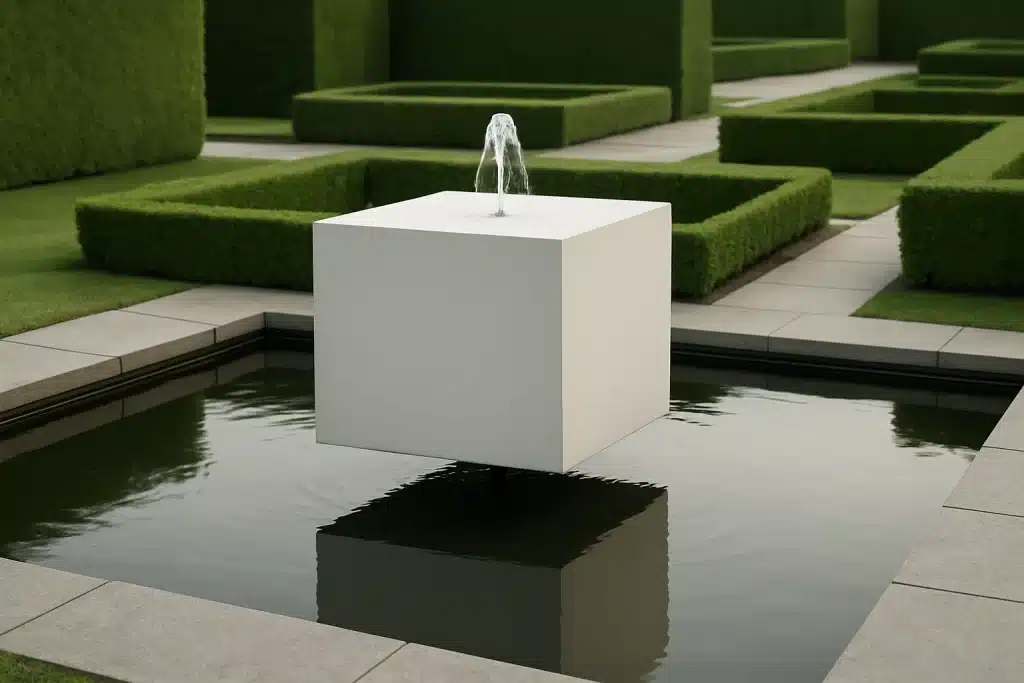
Water has long fascinated humanity, from ancient aqueducts to grand palace fountains. Yet in recent years, one particular design trend has captured both architects and spectators alike: the floating fountain. Unlike traditional fountains, which clearly display a basin or pedestal, floating fountains create the visual magic of water jets and cascades appearing to rise directly from a pond, lake, or even a pool, without any obvious foundation.
This base-free illusion does more than trick the eye. It reshapes how we interact with water in public spaces, private gardens, and large-scale architectural projects. The effect is part artistry, part engineering, and entirely captivating. In this article, we’ll dive deep into the history, design, functionality, and future of floating fountains, exploring why they’ve become one of the most exciting water features of the modern era.
What Makes Floating Fountains Unique?
At first glance, a floating fountain seems like a simple trick: a platform hidden beneath the water’s surface supports pumps and nozzles that project water upward. But the illusion is powerful. Without visible masonry or stonework, the water appears self-generating — as if the pond or lake itself were alive and performing.
Key characteristics include:
- No Visible Basin or Pedestal: The main appeal is the “source-less” quality of the water jets.
- Flexibility: Unlike traditional fountains tied to a fixed structure, floating fountains can be installed, removed, or repositioned with relative ease.
- Adaptability to Scale: From small decorative pond features to massive lake displays, floating fountains scale up elegantly.
This uniqueness makes them versatile installations for both small private estates and large civic or commercial projects.
A Brief History of Floating Fountains
While the visual illusion feels distinctly modern, the roots of floating fountains trace back centuries.
Ancient Inspirations
Civilizations such as the Romans and Persians were masters of water manipulation. Their fountains, aqueducts, and gardens often used hidden channels to create unexpected bursts of water, surprising visitors. The floating fountain illusion shares this same theatrical spirit.
Renaissance & Baroque Eras
European palaces in the Renaissance and Baroque periods experimented with “trick fountains” designed to amaze and amuse guests. Some of these used hidden waterworks to simulate source-less sprays, laying the groundwork for modern floating designs.
20th Century Engineering Advances
It wasn’t until the 20th century, however, with advances in pump technology and buoyant materials, that true floating fountains became possible. Municipalities began deploying them in lakes and reservoirs, both for aesthetic beauty and to oxygenate water supplies.
The Modern Era
Today, floating fountains are as much about artistry as they are about ecology and engineering. With computer-controlled lighting and choreographed displays, floating fountains have become icons of urban branding, think of Dubai’s famous water spectacles or Las Vegas’ dancing fountains.
How Floating Fountains Work
The illusion of water without a base is possible thanks to clever engineering.
1. Floating Platforms
A buoyant platform, usually made of durable plastics or metals, rests just below the water’s surface. It anchors pumps, pipes, and nozzles while staying largely invisible to viewers.
2. Pumps & Power Supply
Submersible pumps pull water from the surrounding pond or lake and propel it upward through nozzles. Power is supplied via underwater cables or solar units in more sustainable designs.
3. Anchoring Systems
To keep the fountain in place, cables or weights anchor the floating structure to the bottom of the body of water. This prevents drifting due to wind or currents.
4. Nozzles & Water Displays
Different nozzle types control the display:
- Vertical geysers for dramatic impact
- Arching sprays for elegance
- Foamy cascades for texture
- Mist effects for atmosphere
5. Lighting Integration
LED lights, often built directly into the nozzle housings, transform floating fountains into dazzling nighttime spectacles. With programmable systems, displays can be choreographed to music and light shows.
Benefits of Floating Fountains
Floating fountains are more than ornamental. They provide both functional and psychological benefits.
Aesthetic Appeal
The illusion captivates, making floating fountains popular choices for city centers, resorts, and waterfronts. Their dynamic visuals serve as landmarks and gathering points.
Flexibility & Portability
Unlike traditional fountains, floating designs aren’t tied to permanent masonry. This makes them easy to reposition or remove, ideal for seasonal events, festivals, or rotating displays.
Environmental Benefits
Floating fountains help oxygenate water bodies, reducing algae growth and supporting aquatic life. This dual role, art and ecology, makes them particularly valuable in urban lakes and reservoirs.
Branding & Tourism
Cities and businesses leverage floating fountains as symbols. Think of Bellagio’s fountain show in Las Vegas, which has become a cultural icon, drawing millions of tourists annually.
Applications in Modern Design
1. Public Parks & Urban Plazas
Floating fountains bring life to ponds and artificial lakes in city parks, offering visitors both beauty and environmental benefits.
2. Hotels & Resorts
Luxury resorts use floating fountains in pools and lagoons to elevate the guest experience. At night, with lighting effects, they create unforgettable atmospheres.
3. Residential Landscaping
Private homeowners with ponds or large pools install floating fountains as show-stopping centerpieces. Smaller, solar-powered versions make this accessible beyond estates.
4. Cultural & Entertainment Venues
From music festivals to art installations, floating fountains are increasingly used as temporary spectacles, blending water, light, and sound.
5. Industrial & Ecological Uses
Floating aeration fountains are deployed in reservoirs and wastewater treatment ponds to oxygenate water, improving quality while also creating a visual feature.
Famous Floating Fountain Examples
- The Bellagio, Las Vegas: While not purely floating, its choreographed jets pioneered the global fascination with large-scale water shows.
- Dubai Fountain: Built on the 30-acre Burj Khalifa Lake, this is the world’s largest choreographed floating fountain system.
- Singapore’s Marina Bay: Regularly features floating fountains and water-light displays that double as national attractions.
- Smaller Innovations: Eco-parks worldwide now use solar-powered floating fountains, merging sustainability with spectacle.
Designing with Floating Fountains
For architects, landscape designers, and property owners, integrating a floating fountain requires balancing aesthetics with engineering.
Site Considerations
- Depth of water (minimum usually 3–4 feet)
- Surface size to accommodate spray radius
- Wind exposure, which affects water trajectory
- Power & Sustainability
While traditional systems rely on electrical cables, solar-powered floating fountains are gaining popularity. They reduce energy costs and align with eco-conscious design philosophies.
Noise Levels
Depending on nozzle type and pump strength, floating fountains can create soothing ambient noise or dramatic, thundering effects. Designers often match this to the intended environment (quiet gardens vs. lively plazas).
Integration with Architecture
Floating fountains work well alongside bridges, waterfront promenades, or even modern office complexes with reflective pools. Their versatility makes them adaptable across architectural styles.
The Future of Floating Fountains
Floating fountains are evolving with technology. Future trends include:
- Smart Fountains: Integration with IoT systems for remote control, diagnostics, and performance monitoring.
- Eco-Friendly Designs: Solar panels, low-energy LED lighting, and biodegradable construction materials.
- Interactive Displays: Motion sensors allowing passersby to trigger sprays or light effects.
- Artistic Collaborations: Partnerships with artists and designers to create temporary “water sculptures” that float and change with seasons.
As cities invest more in livable, sustainable environments, floating fountains will continue to blur the lines between functional water management and public art.
Conclusion
Floating fountains are more than just decorative features — they are engineering marvels that merge art, illusion, and utility. By creating the illusion of water without a base, they challenge our expectations of design and space. Whether in a city park, a luxury resort, or a private estate, they captivate audiences and add value far beyond aesthetics.
As environmental needs and technological advancements continue to shape the way we use water in design, floating fountains stand as a symbol of both innovation and timeless beauty.


